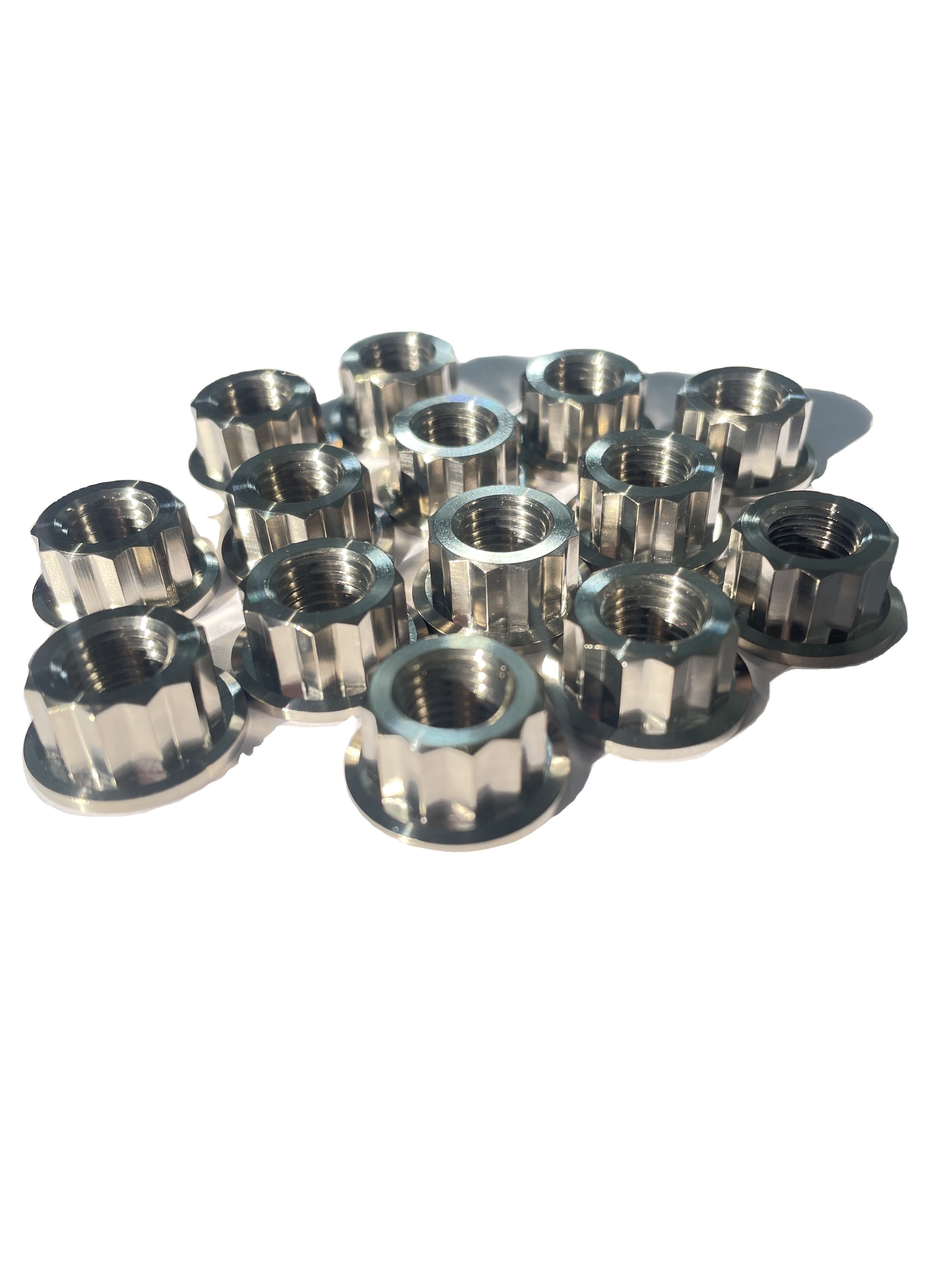
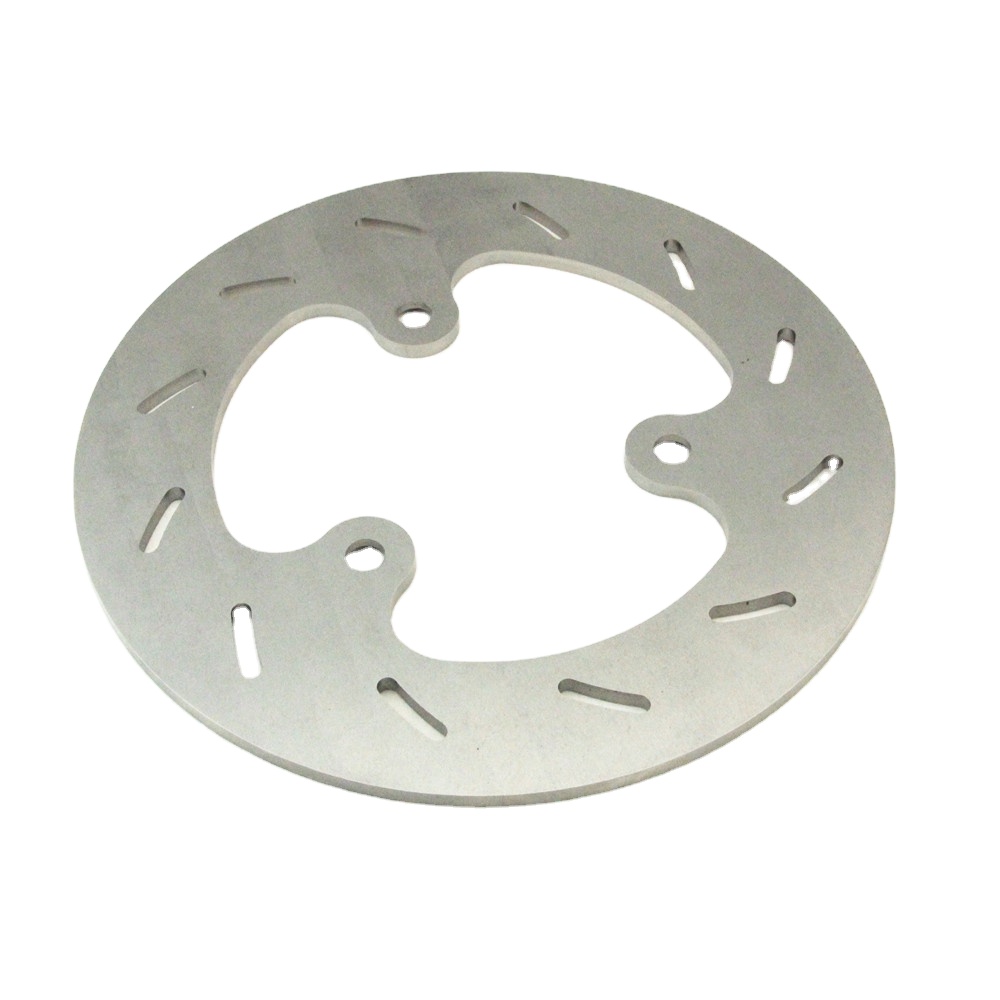
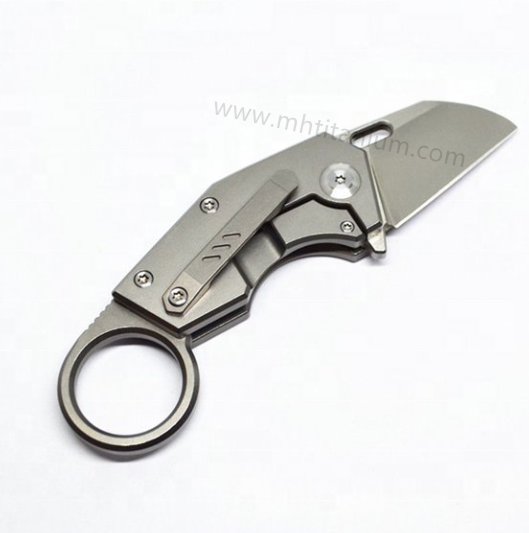
Featured Titanium Fasteners & CNC Machined Assemblies
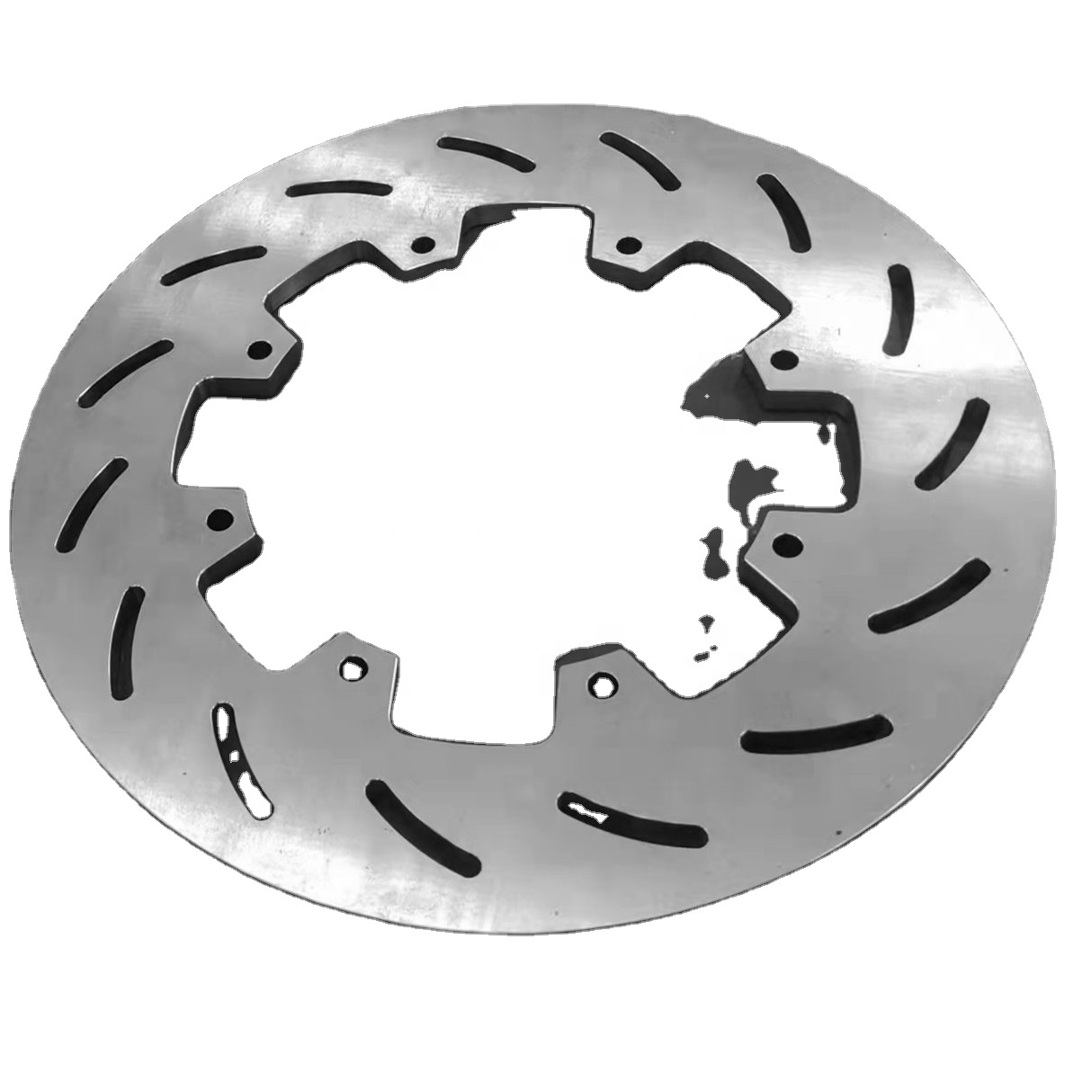
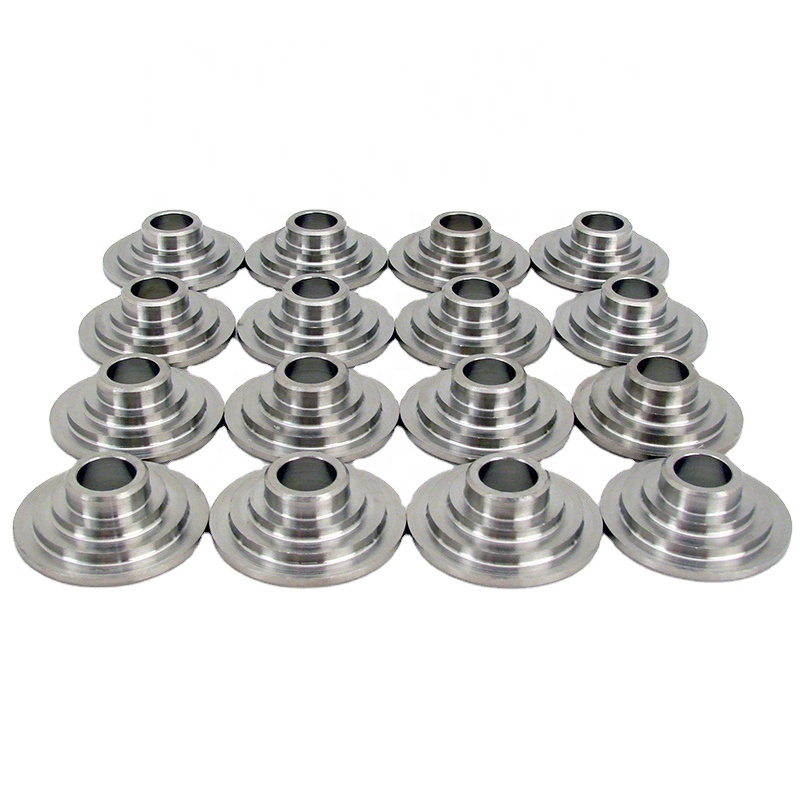
Manufactured to micron tolerances (±0.005 mm) in China's Titanium Valley (Baoji) and exported globally with full material certification, batch traceability, and rapid European logistics.
Engineering Whitepaper: High-Tensile Titanium Spindle Bolts for Critical Mechanics
A spindle bolt is arguably the most mission-critical mechanical fastener in any rotating or steering assembly. Fastening wheel hubs, suspension steering knuckles, upright stub axles, or high-speed CNC machine drive spindles, these components must bear cyclical combinations of pure shear stress, rotational bending moments, torsional shock loads, and high-frequency vibrational resonance. In traditional industrial setups, high-tensile alloy steels such as Grade 10.9 or 12.9 (e.g., 4140 chromoly or 4340 nickel-chromium-molybdenum) have been the default selection. However, as high-performance mechanical design shifts toward reducing rotational inertia and unsprung mass, Grade 5 Ti-6Al-4V (TC4) titanium alloy spindle bolts have emerged as the premier engineering upgrade.
Operating as an advanced manufacturer positioned in China's Titanium Valley (Baoji) and acting as a dedicated direct exporter to precision machine shops and motorsport teams across Novi Sad, South Bačka, and the broader Danube-Vojvodina corridor, Vunza Titanium delivers fasteners that combine structural durability with unparalleled weight reduction.
Metallurgical Superiority: Ti-6Al-4V (Grade 5) vs. Structural Steel
Ti-6Al-4V is an alpha-beta alloy characterized by its 6% aluminum and 4% vanadium composition. It undergoes precision solution-treating and aging (STA) or continuous cold annealing to yield exceptional physical metrics: a typical density of 4.43 g/cm³ compared to steel's 7.85 g/cm³, coupled with a yield strength surpassing 828 MPa and an ultimate tensile limit of 895 to 1050 MPa. In wheel hub and spindle upright designs, reducing unsprung mass by 44% yields immense dynamic advantages: it drastically lowers the precessional gyroscopic moment of the hub, accelerates steering response, and allows suspension dampers to maintain tighter wheel-to-ground compliance across uneven surfaces.
| Performance Characteristic | Ti-6Al-4V (Gr5 / TC4) Titanium | Grade 10.9 Alloy Steel | Grade 12.9 Structural Steel |
|---|---|---|---|
| Density (ρ) | 4.43 g/cm³ | 7.85 g/cm³ | 7.85 g/cm³ |
| Yield Strength (Rp0.2) | 828 – 910 MPa | 900 – 940 MPa | 1100 MPa |
| Tensile Strength (Rm) | 895 – 1050 MPa | 1000 – 1040 MPa | 1220 MPa |
| Strength-to-Weight Ratio | 202 – 237 kN·m/kg (Exceptional) | 127 kN·m/kg | 155 kN·m/kg |
| Modulus of Elasticity (E) | 110 – 114 GPa (Superior compliance) | 205 – 210 GPa | 210 GPa |
| Fatigue Limit / Endurance | High notch toughness, infinite in inert air | Susceptible to notch cracking | Prone to hydrogen embrittlement |
| Corrosion Resistance | Self-passivating TiO2 film; impervious to salt | Requires plating (zinc/dacromet) | Prone to rust & micro-galvanic wear |
Precision Manufacturing Dynamics: Cold-Formed Heads & Continuous Rolled Threads
Machining titanium requires profound metallurgical and process know-how. Titanium’s low thermal conductivity (approx. 6.7 W/m·K compared to steel's 50 W/m·K) causes localized heat concentration at the tool cutting edge during CNC turning, demanding high-pressure cryogenic or emulsion coolants, custom carbide geometries, and rigid tool holding. More importantly, for safety-critical spindle hardware, cutting threads via single-point CNC lathe tools is strictly avoided for primary structural threads. Instead, Vunza Titanium employs continuous thread rolling dies.
Thread rolling displaces rather than severs the grain structure of the Ti-6Al-4V alloy, producing continuous compressive residual stresses throughout the thread roots and flanks. This process eliminates micro-tear stress concentrations, enhances root fatigue life by over 300%, and ensures seamless thread engagement that resists cyclic vibration backing-out under extreme thermal and torsional operating loads.
Sponge-to-Part Traceability
Controlled procurement utilizing certified titanium sponge, vacuum arc remelting (VAR), and verified chemical analysis conforming strictly to ASTM B348 / AMS 4928 standards.
34 Multi-Axis CNC Centers
Equipped with 3, 4, and 5-axis simultaneous high-speed machining centers capable of complex geometry profiling, deep-hole gun drilling, and 0.005 mm diametrical tolerance control.
Advanced Anti-Galling Surface Finishes
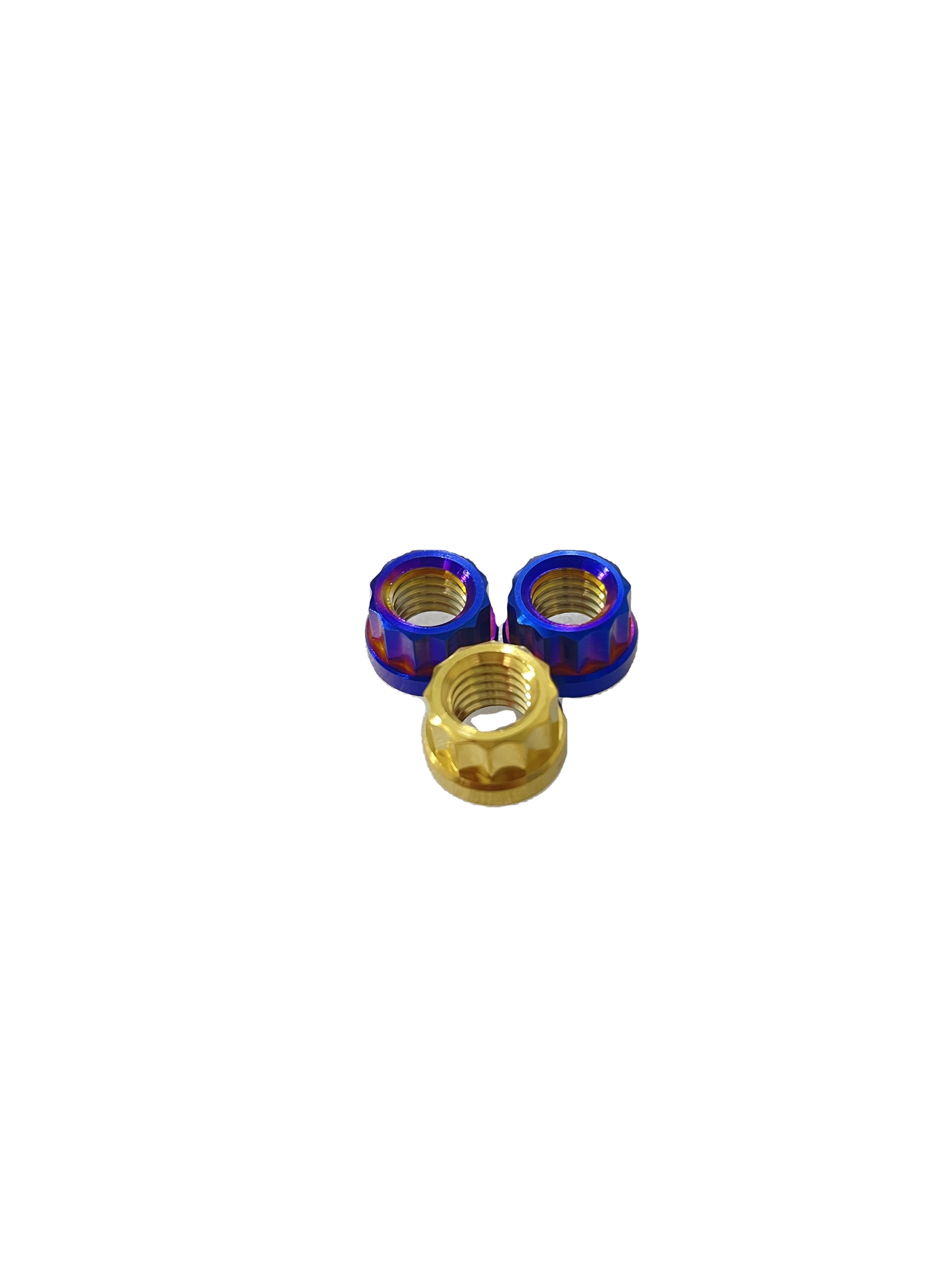
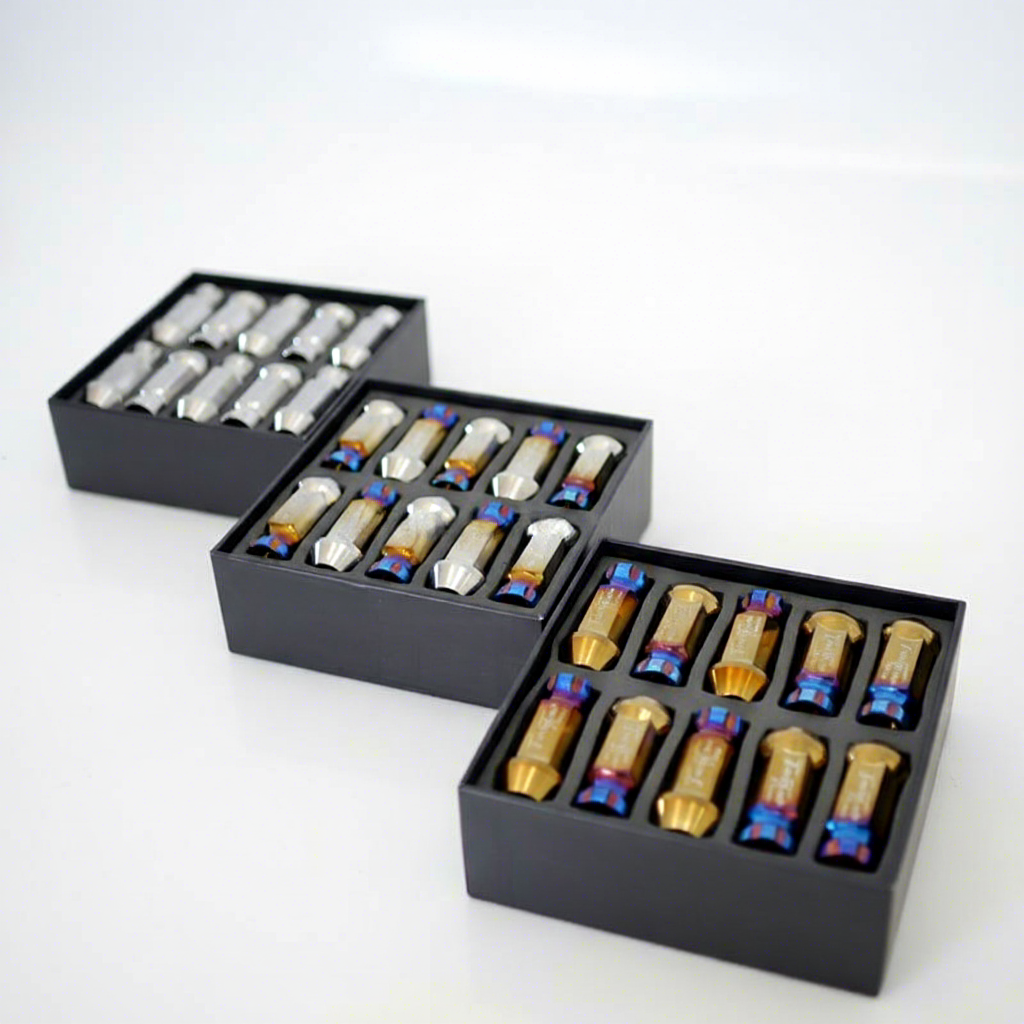
Specialized PVD titanium nitride (TiN), diamond-like carbon (DLC), micro-arc oxidation, and anodized coloration (burnt blue, gold, purple, black) for maximum galling resistance.
Localized Application Scenarios in Novi Sad & the Vojvodina Industrial Corridor
Novi Sad, strategically seated on the Danube River and acting as the administrative, cultural, and industrial hub of Vojvodina, possesses a dense legacy of mechanical craftsmanship, agricultural innovation, and precision machining workshops. Positioned just 70 km from Belgrade and along the primary E75 Pan-European Corridor X, Novi Sad serves as an ideal logistics node for advanced components. The deployment of custom titanium spindle bolts and CNC titanium hardware aligns precisely with several critical regional sectors:
1. Motorsport Upgrades & Performance Tuning (The Mišeluk Legacy)
Novi Sad is renowned across Southeastern Europe for its celebrated street circuit, the Mišeluk race track, which has nurtured generations of rally mechanics, touring car tuners, and track builders. Local racing outfits routinely re-engineer track-focused BMW, VW, and sports chassis hubs. Switching from heavy factory steel wheel hub spindle bolts to Grade 5 titanium reduces rotational unsprung mass by roughly 1.2 to 2.4 kilograms across the four upright corners. This delivers immediate reductions in rotational inertia, sharpens transitional turn-in responsiveness, and maintains structural wheel integrity under extreme cornering loads.
2. Advanced CNC Woodworking, Metalworking & Industrial Spindles
Vojvodina’s industrial zones house modern manufacturing facilities specializing in precision mold-making, hydraulic components, and industrial CNC machinery. High-speed motorized electro-spindles (operating above 18,000 to 30,000 RPM) require high dynamic balance and minimal thermal growth. Titanium spindle flange bolts and shaft retainers prevent the thermal expansion and rotational centrifugal distortion common with heavy alloy steels, safeguarding runout tolerances and bearing lifespans.
3. Agricultural Precision Machinery & Chemical Spray Hubs
As the epicenter of Serbian agriculture, the fertile plains around Novi Sad demand heavy agricultural equipment, grain processing machinery, and boom sprayers. Wheel spindle bolts, fertilizer injector nozzles, and axle retainers in these machines are exposed to aggressive liquid urea, ammonium nitrate fertilizers, and damp soil conditions. While standard steel bolts suffer from severe crevice rust and seizing within months, Grade 5 titanium bolts develop an instantaneous, self-healing rutile passive oxide layer (TiO2), rendering them completely immune to chemical and atmospheric pitting.
4. Marine Propulsion & Danube Commercial River Transport
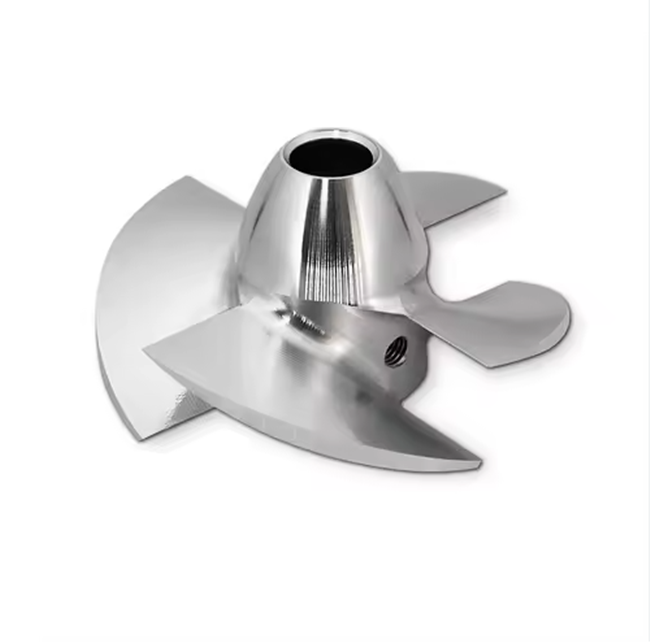
Lying directly on the Danube waterway, Novi Sad’s shipyards, barge maintenance docks, and recreational boating marinas demand mechanical hardware capable of withstanding constant freshwater submersion, river silt scouring, and galvanic degradation. Gr5 titanium impeller fasteners and rudder spindle bolts prevent seizing and stress-corrosion cracking across multi-year operational cycles.
Regional Industrial Trends: Why Novi Sad Buyers Are Turning to Titanium
The manufacturing landscape in the Republic of Serbia has undergone rapid technological transformation over the past decade. Driven by foreign direct investment (FDI) in automotive sub-assemblies, electronic components, and advanced machinery across Novi Sad’s industrial parks (such as Sever 1, Sever 2, and the Rimski Šančevi technology cluster), several critical purchasing and engineering trends have emerged:
Nearshoring & Tier-Supplying to the EU
Novi Sad machine builders increasingly act as Tier-1 and Tier-2 suppliers to German, Austrian, and Italian OEM automotive and machinery programs. Adhering to European weight reduction directives requires modernizing bill-of-materials from traditional cast steel to forged and CNC-machined titanium alloys.
Custom Low-Volume / High-Mix Machining
Rather than requiring tens of thousands of identical standard bolts, Novi Sad’s boutique engineering shops often seek high-mix, low-volume flexibility: custom spindle diameters, unique flange shapes, integrated safety-wire holes, and specific pitch profiles (e.g., M14x1.25, M12x1.5, 5/8"-18 UNF).
Direct Factory Sourcing Over Middlemen
Procuring titanium fasteners through third-party European stockists adds 40% to 70% distributor margins. By partnering directly with a certified manufacturer in Baoji, Serbia-based buyers access true wholesale prices, mill test certificates, and custom OEM engineering collaboration.
Comprehensive B2B Sourcing Guide & Technical FAQ for Novi Sad Buyers
Procuring specialized titanium fasteners requires clear technical guidelines. Below are detailed answers addressing the questions most frequently posed by Serbian mechanical engineers, procurement managers, and motorsport workshops:
1. What torque settings should be applied to Grade 5 Titanium spindle bolts compared to steel?
2. How are shipments, customs clearance, and import tariffs handled for Novi Sad, Serbia?
3. How does Vunza prevent thread galling on titanium spindle fasteners?
4. Can custom spindle bolts be manufactured directly from customer CAD drawings or physical samples?
5. What material certifications and quality documentation accompany each batch?
6. What is the Minimum Order Quantity (MOQ) for custom vs. standard hardware?
Vunza Titanium Industry Co., Ltd.
Founded in 2008 in the Gaoya Village Industrial Zone, Baoji, Shaanxi—adjacent to the Baoti Group Industrial Park—our facility integrates full-cycle metallurgy, precision multi-axis CNC machining, high-strength thread rolling, and global B2B supply chains under one roof.
- 15+ Years Specialized Manufacturing: Established 2008 with over 50% of workforce possessing 13+ years' hands-on machining expertise.
- 34 Sets of Multi-Axis CNCs: 3-axis, 4-axis, and 5-axis continuous milling and Swiss turning centers holding ±0.005 mm tolerances.
- Complete Quality Control: Strict oversight from raw sponge melting to final ultrasonic and CMM dimensional release.
- Responsive Global Trade Team: Average inquiry turnaround under 9 hours, supporting technical reviews for engineering drawings.
Request a Custom Technical Quote
Send your drawings (STEP / DWG / PDF) or custom fastener specifications directly to our engineering department. We provide DFM analysis and wholesale pricing within 9 hours.