Precision Fasteners & CNC Titanium Components
Direct supply from Baoji Titanium Valley to Hyogo Prefecture industrial purchasers, high-end framebuilders, marine outfits, and motorsport teams.
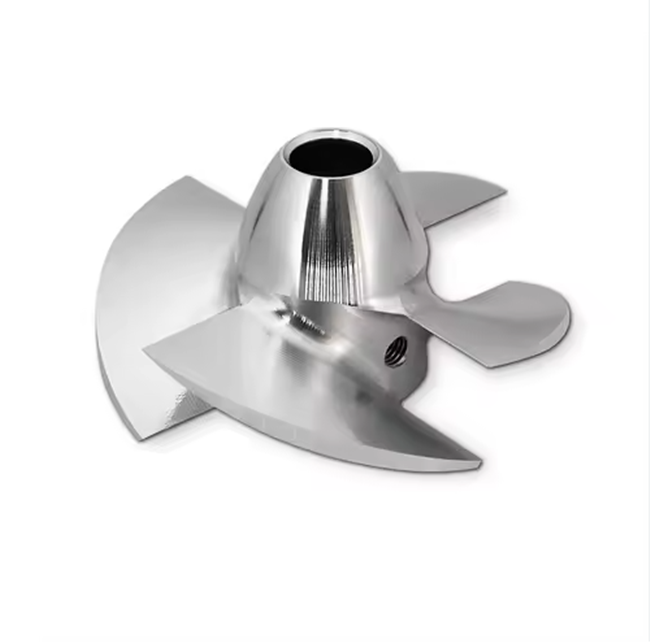
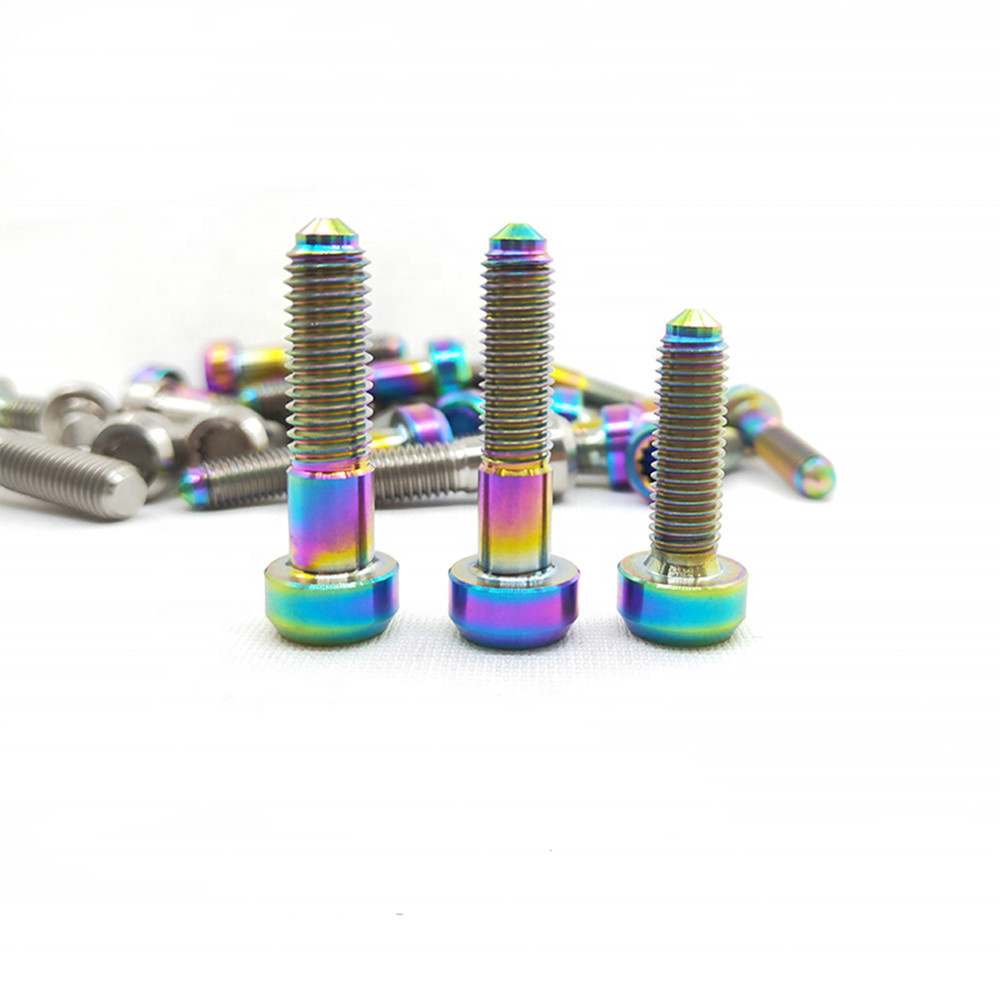
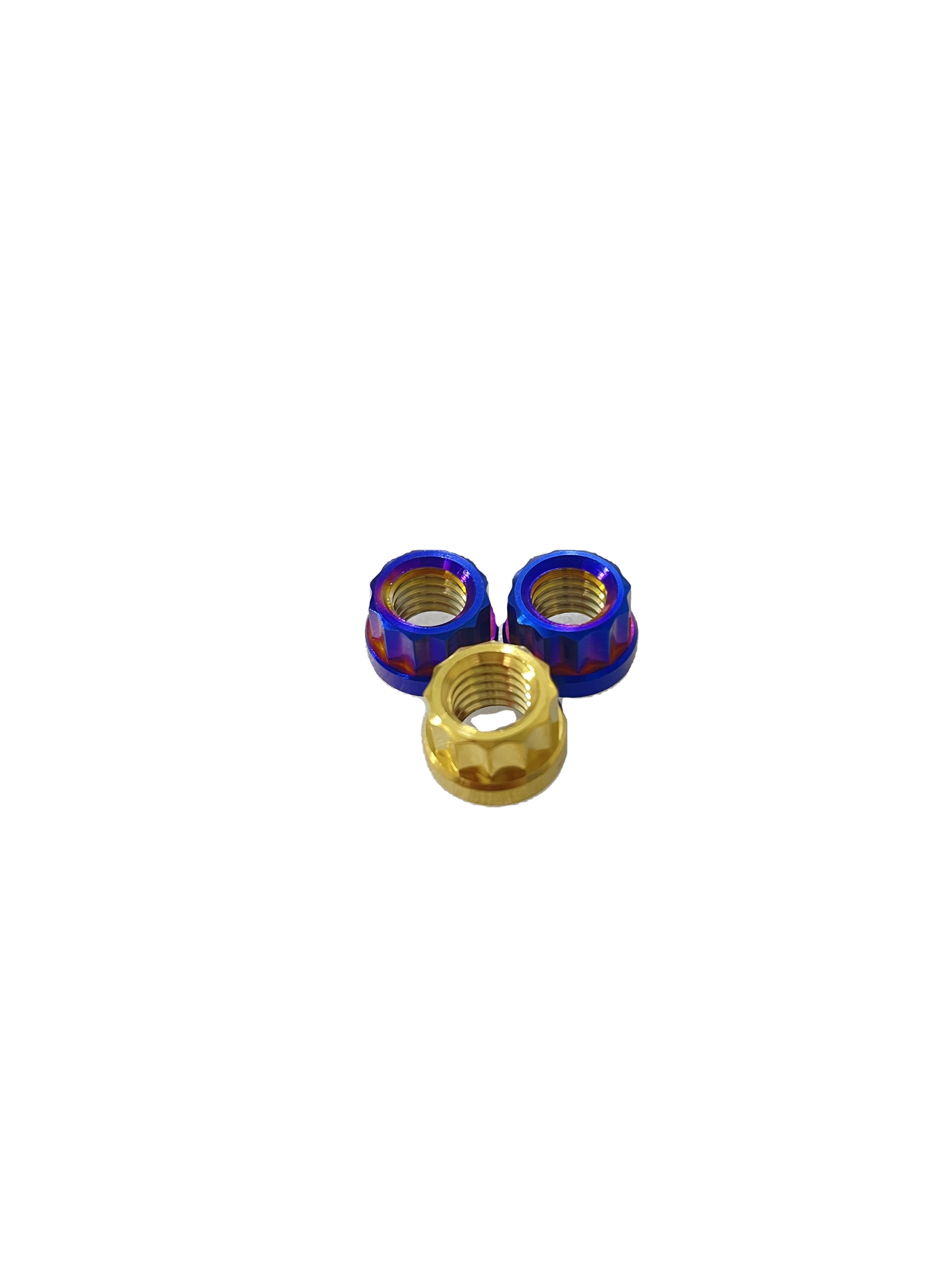
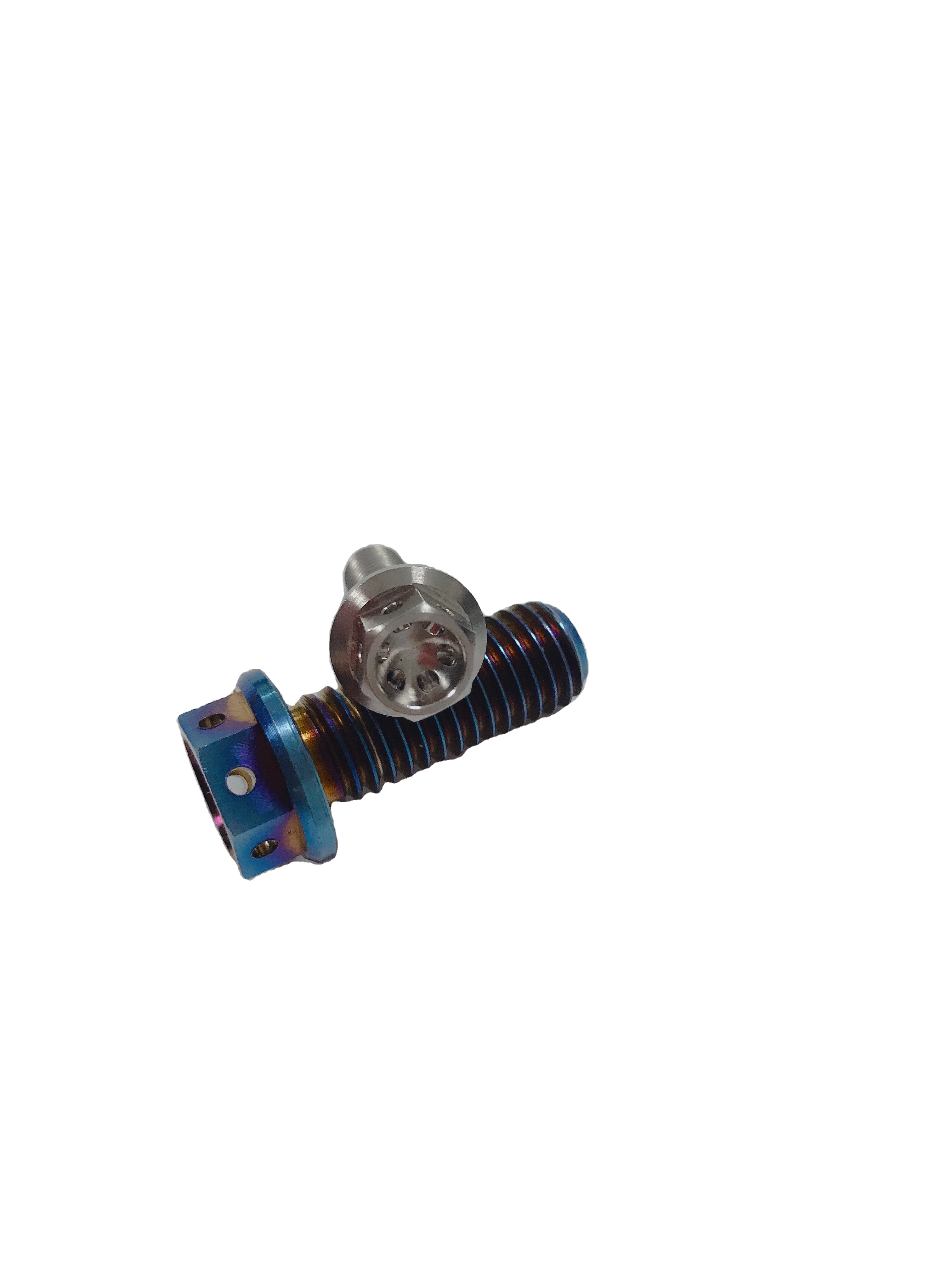
Procuring Titanium Stem Bolts for Kobe & Kansai Projects?
Direct supply from Baoji Vunza Titanium Industry. Full JIS B1051 compliance, cold thread rolling, CNC tolerance down to 0.005 mm, and mill test certificates (MTC 3.1) available on every export shipment.
1. The Strategic Role of Titanium Fasteners in the Kobe Industrial Matrix
2. Mechanical Integrity: Thread Rolling vs. Thread Cutting for Stem Bolts
| Performance Metric | Cold-Rolled Ti-6Al-4V Gr5 | CNC Cut-Thread Ti-6Al-4V | Class 8.8 / 10.9 Alloy Steel | 7075-T6 Billet Aluminum |
|---|---|---|---|---|
| Yield Strength (Rp 0.2) | 828 – 910 MPa | 820 – 850 MPa | 640 / 940 MPa | 480 – 505 MPa |
| Tensile Strength (Rm) | 950 – 1050 MPa | 895 – 930 MPa | 800 / 1040 MPa | 540 – 570 MPa |
| Fatigue Limit (N=10^7 cycles) | 510 MPa (High Endurance) | 380 MPa (Notch Sensitive) | 420 MPa | 160 MPa (Brittle Fracture) |
| Density | 4.43 g/cm³ | 4.43 g/cm³ | 7.85 g/cm³ | 2.81 g/cm³ |
| Salt Spray Resistance (5% NaCl) | Immune (>3,000 hrs zero pitting) | Immune | Severe Red Rust (<72 hrs) | Pitting & White Oxidation |
| Corrosion in Coastal Marine Port | Exceptional (Passivated TiO2 film) | Exceptional | Requires Galvanizing/Cadmium | Galvanic Pitting with Carbon |
3. Localized Engineering Application Scenarios Across Kobe & Hyogo
Mount Rokko Hillclimbing & Urban Gravel
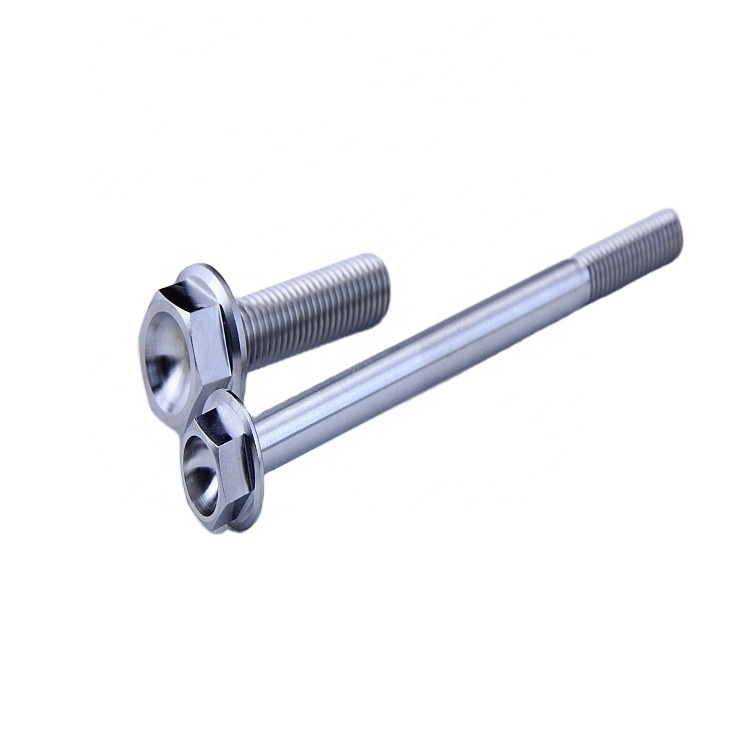
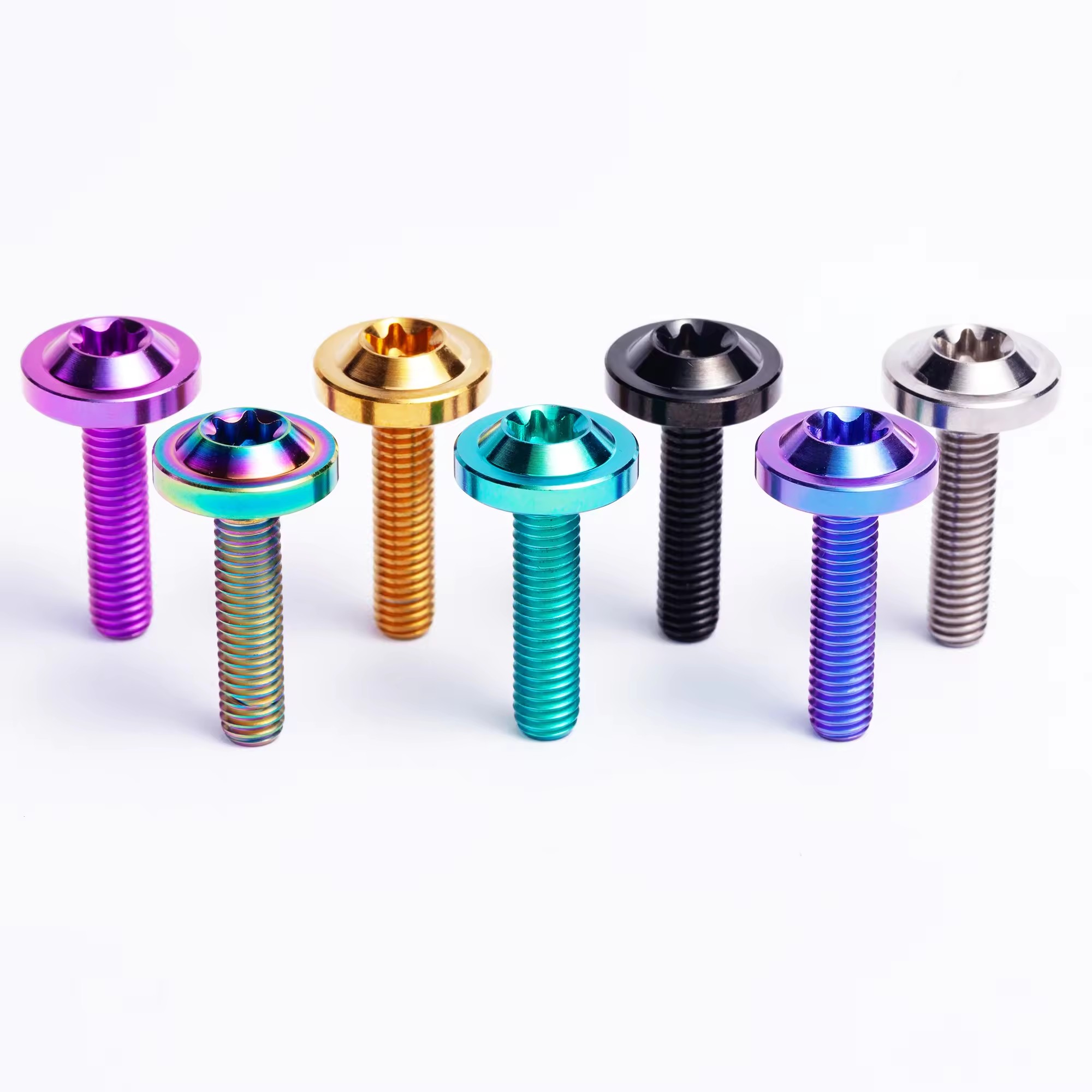
Bespoke titanium bicycle framebuilders and elite club cyclists tackling Mount Rokko's brutal 10% gradients demand maximum cockpit rigidity. M5x16mm and M5x18mm Grade 5 titanium stem clamp bolts reduce front-end cockpit mass while providing consistent clamp security without galling into delicate lightweight carbon fiber steerers.
Marine & Port Auxiliary Fastening
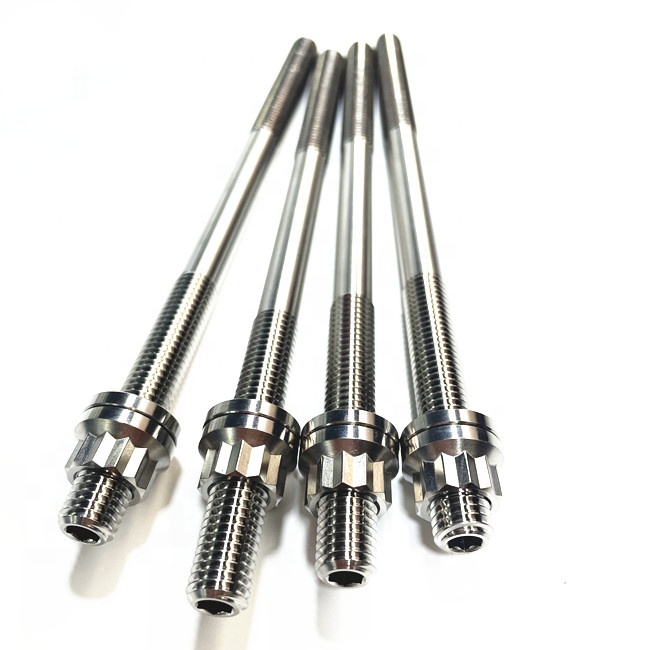
Kobe's shipyards and offshore yacht clubs navigate persistent marine aerosol saturated with sodium chloride. Deck machinery, winch housings, telemetry mast clamps, and sensor bracket stems assembled with Vunza's passivated Gr5 titanium bolts endure decades of saltwater splash without seizing or thread oxidation.
High-Speed Robotics & AGV Mechanisms
Kobe and Osaka's advanced automation research institutes utilize multi-axis articulated arms requiring minimized end-effector inertia. Substituting titanium stem flange bolts into servo motor couplings and kinematic linkages enhances rapid cycle accelerations while eliminating electromagnetic hysteresis.
4. Emerging Industrial Trends Driving Titanium Adoption in Western Japan
5. Enterprise Manufacturing Advantages: Sourcing from Baoji Titanium Valley
34 Multi-Axis CNC Centers
Equipped with 3-axis, 4-axis, and 5-axis CNC machining centers delivering continuous true-position concentricity and tight manufacturing tolerances down to 0.005 mm on custom non-standard fasteners.
Sponge-to-Part Traceability
Full metallurgical control beginning from virgin 0-grade titanium sponge to vacuum arc remelting (VAR) ingots, drawn bars, cold thread forming, and final optical dimensional sorting with EN 10204 3.1 mill test certificates.
Veteran Engineering Workforce
Over 50% of workshop technicians and machinists possess more than 13 years of hands-on titanium machining experience, managing high-shear chip clearance, cooling flow, and thermal tool deformation prevention.
Rapid Kansai Logistics Lead Times
Direct export contracts with DHL Express, FedEx, and Kobe Port container shipping lines ensure rapid custom sample delivery within 5–7 working days and volume production fulfillment within 15–20 days.
6. Frequently Asked Questions: Sourcing Titanium Stem Bolts in Japan
How do Vunza’s Grade 5 titanium stem bolts correlate with Japanese Industrial Standards (JIS)?
Our Grade 5 titanium stem bolts are manufactured from Ti-6Al-4V alloy, which corresponds directly to JIS Class 60 (JIS H 4600 / TAB6400). Mechanically and chemically, it complies with ASTM B348 Grade 5, ASTM F136 (medical-surgical specification for ultra-low interstitials), and ISO 5832-3. We routinely calibrate thread tolerances according to JIS B 0209-2 (Class 6g/6h fit), ensuring immediate dimensional interchangeability with Japanese bike components, robotics couplings, and automotive hub threads.
How can thread galling (seizing) be prevented during high-torque bicycle stem assembly?
Titanium possesses a persistent micro-thin titanium oxide (TiO2) passivated surface layer. When tightened dry against another titanium or aluminum interface under intense clamping preloads, frictional micro-welding—commonly termed galling—can occur. To prevent this, Vunza recommends applying anti-seize paste containing copper, molybdenum disulfide (MoS2), or synthetic PTFE grease on threads before installation. Alternatively, our factory offers specialized Physical Vapor Deposition (PVD) titanium nitride or TiCN coatings that lower the friction coefficient to under 0.15, eliminating galling tendencies.
What is the minimum order quantity (MOQ) for custom-engineered stem bolts shipped to Kobe?
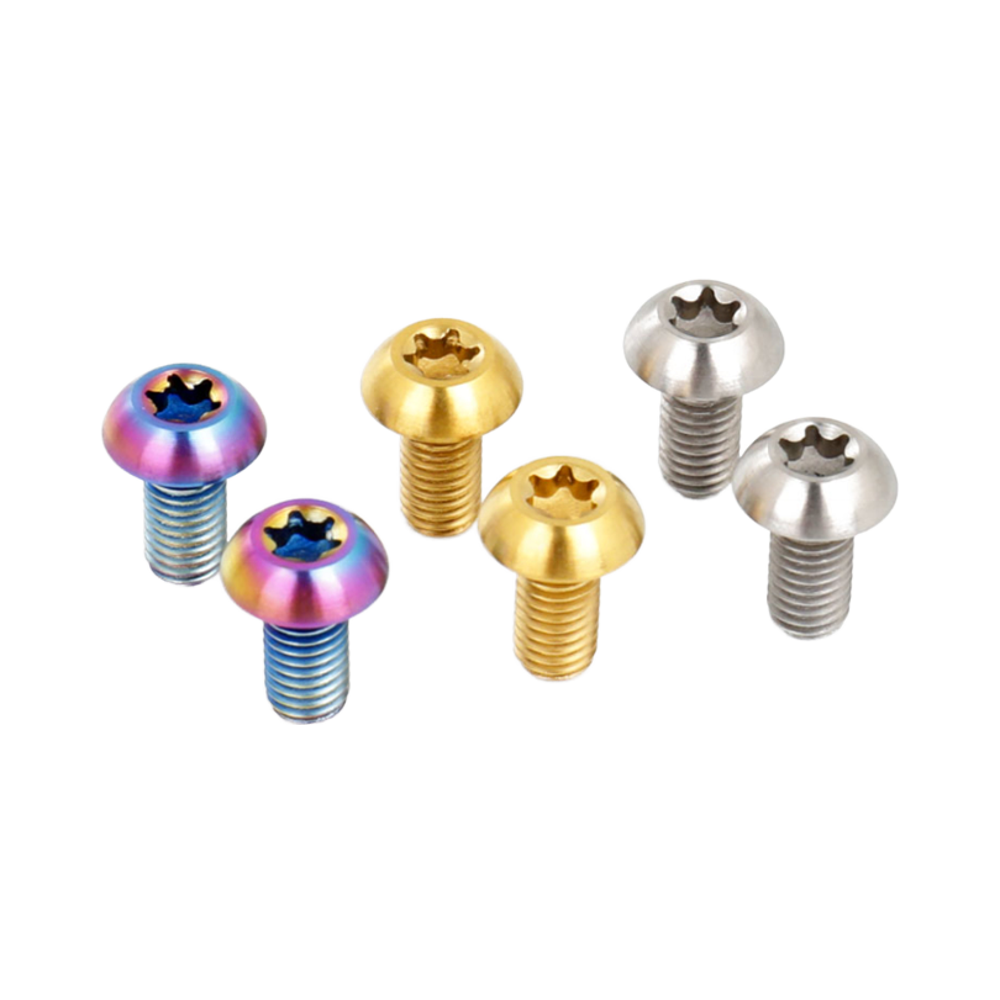
For standard catalog sizes (e.g., M5x16mm, M5x18mm, M6x20mm DIN 912 socket or low-profile Torx), our MOQ starts at 100 to 200 pieces. For custom CNC machined non-standard geometry bolts, custom pitch threading (such as fine 1.0/1.25 pitches), or specialized laser-etched branding for Kansai racing workshops, prototyping batches can be initiated from 20 to 50 pieces, transitioning to scaled multi-thousand piece batch production seamlessly.
What inspection documentation accompanies shipments arriving at Kobe Port or Kansai Airport (KIX)?
Every industrial export batch to Japan is accompanied by a certified EN 10204 Type 3.1 Mill Test Certificate detailing spectral chemical composition (Al, V, Fe, C, N, H, O content) and mechanical tensile/yield properties. Furthermore, we provide dimensional optical projector inspection reports, Go/No-Go thread gauge sign-offs, and salt spray corrosion test verifications upon request.
Are titanium stem bolts susceptible to hydrogen embrittlement in industrial coastal environments?
Grade 5 (Ti-6Al-4V) alpha-beta titanium alloy exhibits exceptional resistance to hydrogen pickup compared to high-strength carbon steels under atmospheric conditions. In Kobe's marine port air, hydrogen absorption is virtually zero at temperatures below 80°C. Our vacuum heat treatment and annealing cycles strictly monitor ambient furnace vacuums to ensure residual hydrogen contents remain securely below ASTM thresholds (<0.015% / 150 ppm).
Can Vunza provide custom color anodizing matching specific team or corporate liveries?
Yes. Utilizing precise voltage-regulated electrochemical bath anodization, we create microscopic transparent titanium oxide interference films that yield stable colors including electric blue, deep purple, burnt bronze, rose gold, emerald green, and rainbow oilslick without applying toxic pigments or coatings. These oxide layers are molecularly unified with the base titanium, providing fade-proof UV resistance in outdoor sporting applications.
Request Technical CAD Review & Comprehensive Catalog
Partner directly with Baoji's dedicated titanium manufacturing facility. Send your 2D/3D component drawings (STEP, IGES, PDF) or sample specifications for same-day engineering DFM feedback and competitive factory-direct quotations.