Engineered Titanium Stud Bolts & CNC Industrial Hardware
Browse our core export production line designed for severe chemical processing, offshore subsea isolation, high-stress exhaust thermal expansion, and precision motorsport assemblies in the Greater Houston industrial zone.
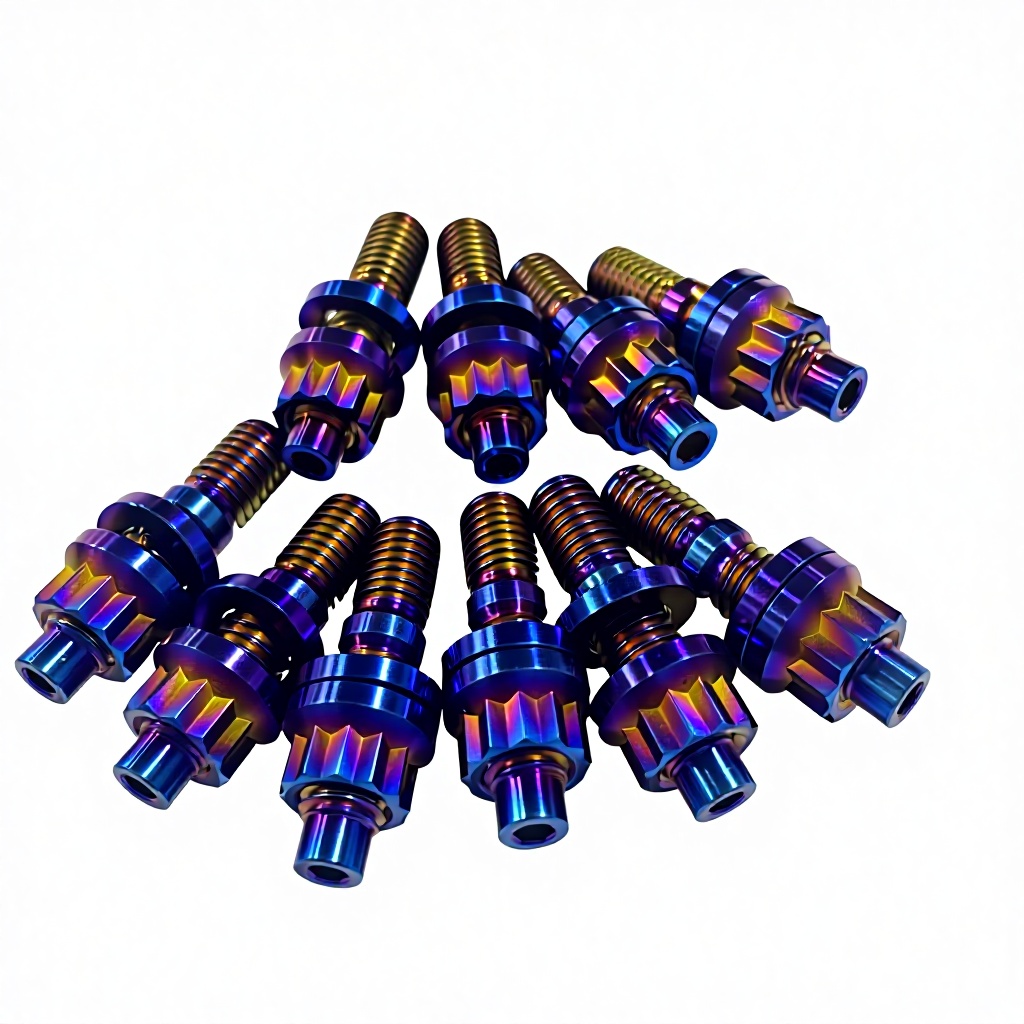
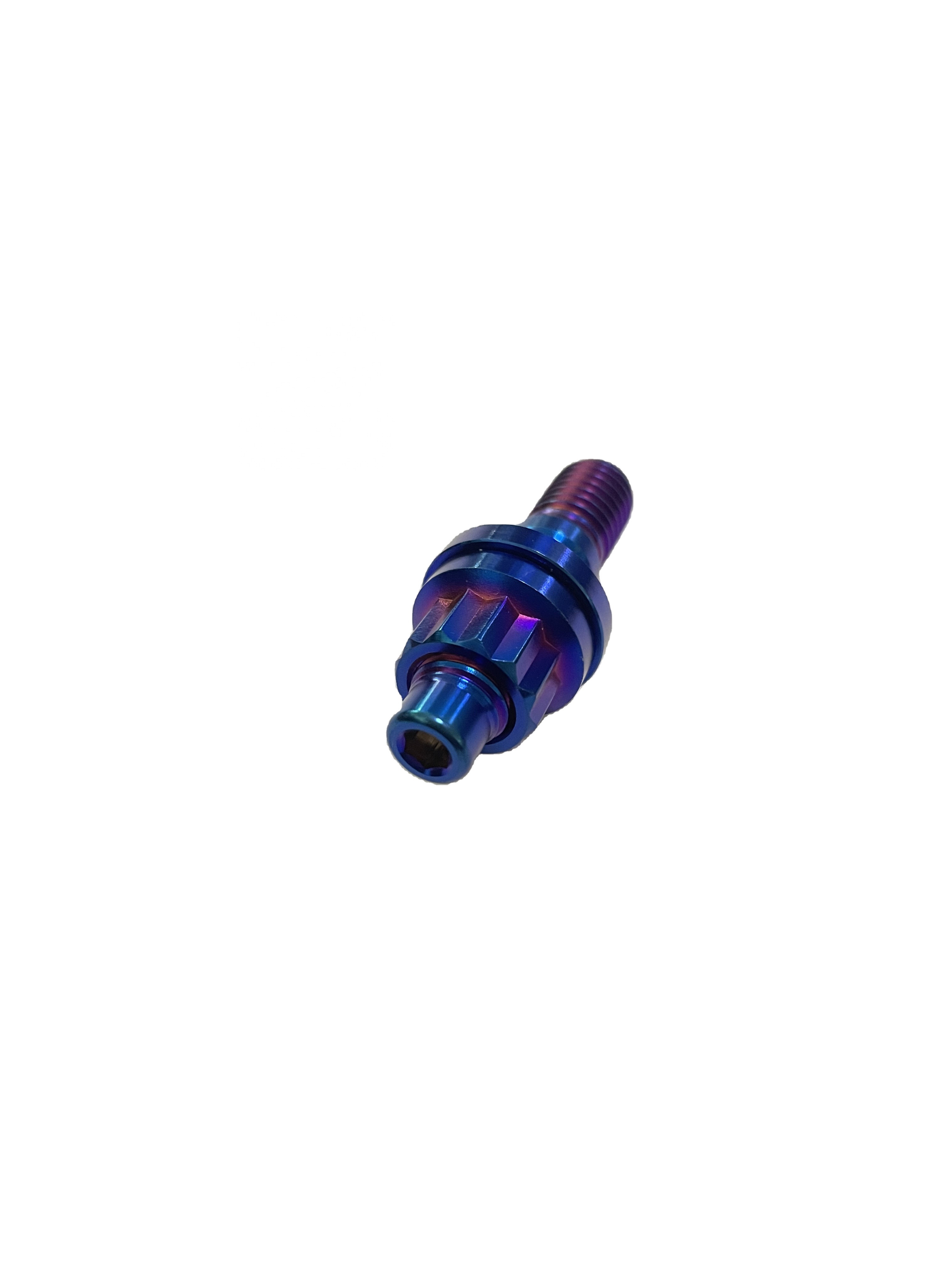
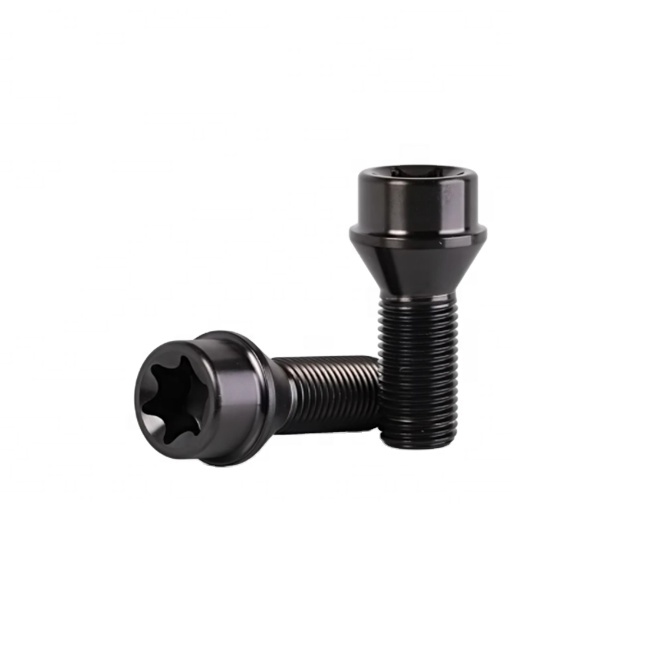
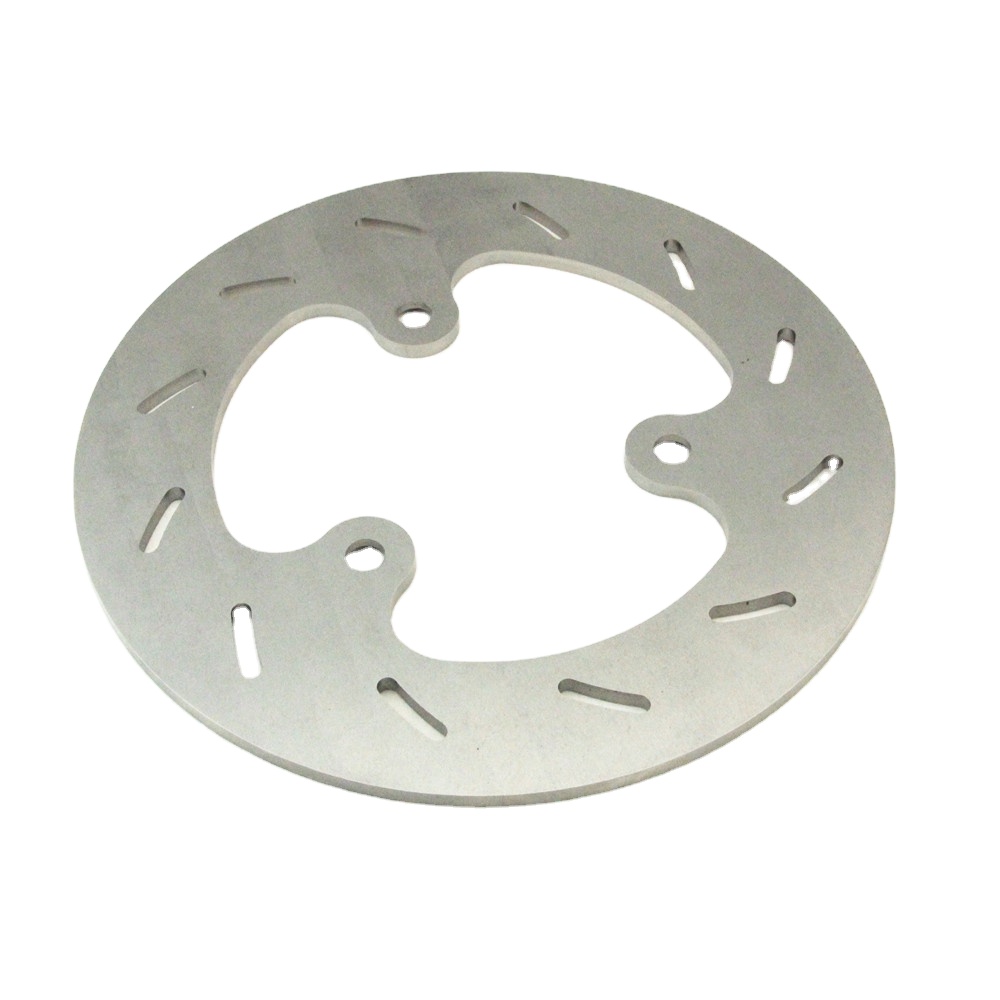
Technical White Paper: Metallurgy, Structural Mechanics, and Titanium Fastener Integrity in Greater Houston's Critical Environments
As the undisputed Energy Capital of the World and home to the world's second-largest petrochemical complex along the Houston Ship Channel, Greater Houston poses one of the most mechanically and chemically unforgiving operating landscapes in global industry. Fasteners deployed across the Texas Gulf Coast—spanning downstream refining infrastructure in Pasadena and Baytown, upstream deepwater drilling systems engineered in the Energy Corridor, downhole telemetry in the Permian supply base, and high-performance racing along Gulf coast motorsports circuits—face combined stress regimes involving cyclic fatigue, elevated operational temperatures, high-pressure hydrogen penetration, and aggressive chloride attack.
For decades, procurement managers relied on heavy alloy steels (ASTM A193 B7/B16), austenitic stainless steels (316L), or nickel-chromium alloys (Inconel 718, Monel K-500). However, modern engineering parameters dictate lighter payloads, zero crevice pitting, non-magnetic downhole profiles, and maintenance-free longevity. Our Baoji manufacturing facility supplies precision-engineered Grade 5 (Ti-6Al-4V, UNS R56400) and Commercially Pure Grade 2 (UNS R50400) titanium stud bolts, heavy hex nuts, and CNC turned components specifically adapted to these exacting Houston standards.
Comparative Metallurgical Matrix: Titanium vs. Conventional Alloys in Houston Service
Selecting fastener metallurgy for high-chloride, sour gas (H2S), and marine atmospheric exposure requires examining mechanical thresholds alongside corrosion fatigue limits:
| Alloy Specification | Yield Strength (MPa) | Tensile Strength (MPa) | Density (g/cm³) | Chloride Stress Corrosion Cracking | NACE MR0175 Compliance |
|---|---|---|---|---|---|
| Titanium Grade 5 (Ti-6Al-4V) | 828 - 910 | ≥ 895 - 1050 | 4.43 | Immune up to 150°C (302°F) | Fully Approved for Sour Service |
| Titanium Grade 2 (CP-2) | 275 - 350 | ≥ 345 - 480 | 4.51 | Immune at ambient & marine temps | Exempt from SCC susceptibility |
| Inconel 718 (Nickel Alloy) | 1030 - 1100 | 1240 - 1400 | 8.19 | High resistance (Costly & Dense) | Approved with hardness limits |
| Super Duplex (2507) | 550 | 750 - 1000 | 7.80 | Moderate (Prone to sigma phase embrittlement) | Qualified under temperature limits |
| ASTM A193 B7 Alloy Steel | 725 | ≥ 860 | 7.85 | Vulnerable (Severe rust, requires cad plating) | Requires strict H2S containment |
Rolled Threads vs. Cut Threads: The Fatigue Life Advantage
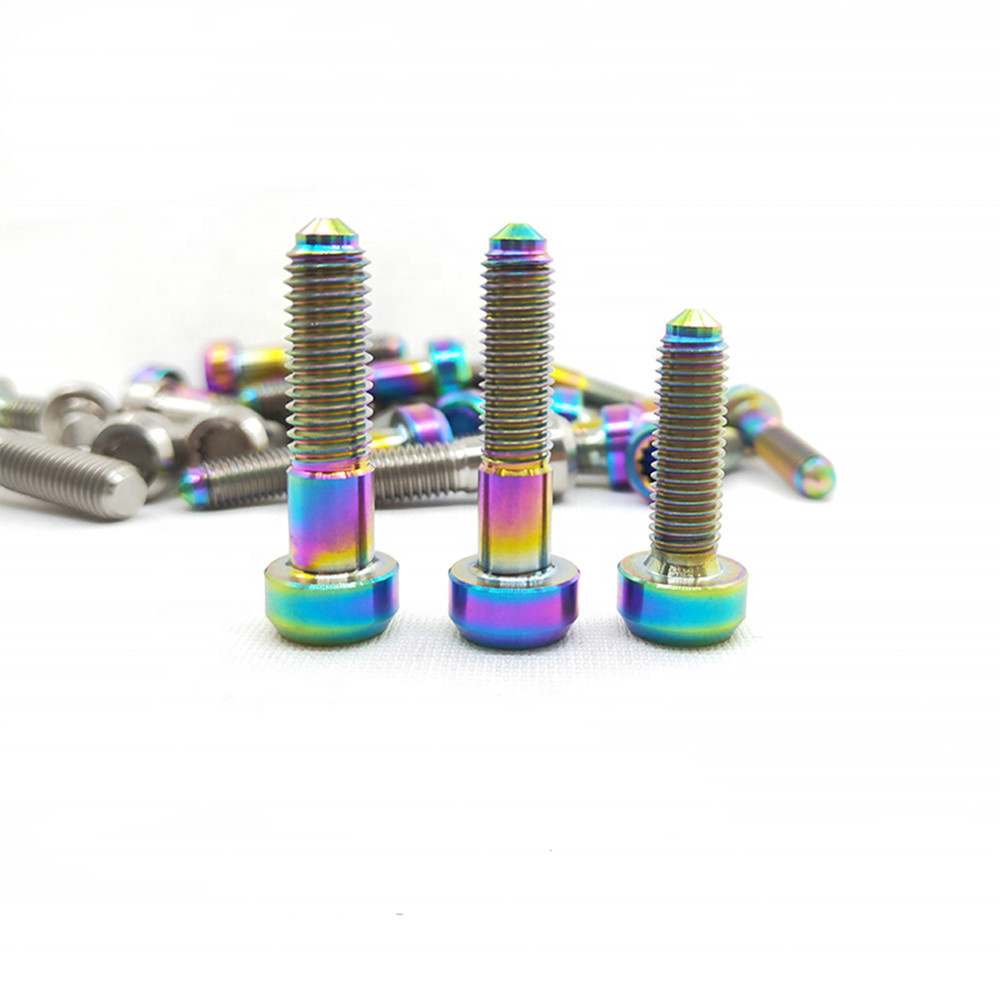
A critical engineering failure mode in petrochemical pumping manifolds and offshore reciprocating equipment is fatigue cracking at the fastener root. At our Baoji manufacturing plant, every titanium stud bolt is processed with precision CNC thread rolling rather than conventional lathe cutting. Thread rolling exerts compressive radial force that reorients the alpha-beta grain flow of the Ti-6Al-4V lattice along the continuous contour of the thread crest and root. This cold work eliminates surface micro-notches, increases thread surface hardness by up to 15%, and enhances dynamic fatigue life by over 300% under cyclical pulsation.
Localized Houston Application Scenarios: Engineered for Gulf Coast Operating Stresses
Our titanium stud bolts and custom CNC components are designed to resolve real-world engineering bottlenecks encountered daily across the Houston metropolitan area and offshore Texas blocks:
Gulf of Mexico Subsea Manifolds & Christmas Trees
In deepwater Gulf of Mexico subsea infrastructure, cathodic protection interactions and dissolved chloride exposure lead to pitting and hydrogen-assisted cracking in conventional steels. Our Grade 5 titanium stud bolts form an instantaneous, self-healing rutile (TiO2) oxide film that resists pitting and crevice attack in stagnant seawater, eliminating subsea bolt changeout campaigns that cost hundreds of thousands of dollars per dive.
Downhole MWD/LWD Drilling Tools (Permian & Eagle Ford Base)
Houston engineering teams developing Measurement-While-Drilling (MWD) and Logging-While-Drilling (LWD) subs require entirely non-magnetic materials with magnetic permeability virtually identical to 1.000 (μr < 1.00005). Our Ti6Al4V fasteners and precision housings prevent magnetic interference with sensitive directional steering compasses and magnetometer packages inside hot downhole drilling environments.
Houston Ship Channel Petrochemical Corridors
Processing wet chlorine gas, chlor-alkali brine, organic acids, and sulfur-recovery tailgas at plants across Deer Park and Pasadena rapidly degrades austenitic alloys. Our CP Grade 2 and Grade 7 (Palladium-stabilized) titanium tie rods, flange studs, and valve stems deliver zero corrosion allowance design, preventing uncontained fugitive chemical emissions and complying with EPA leak-detection criteria.
Gulf Coast Drag Racing & High-Output Motorsport
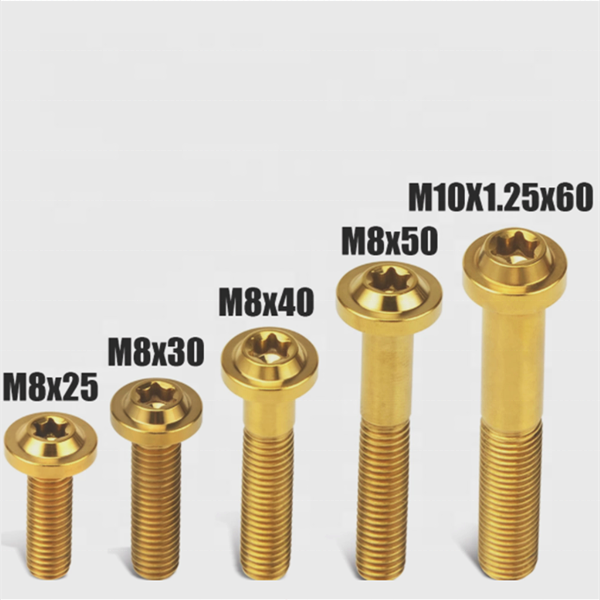
From Houston Raceway Park to private engine-tuning skunkworks across Harris and Fort Bend counties, extreme forced-induction engines operate at manifold temperatures exceeding 850°C (1560°F). Our Minghai Grade 5 titanium exhaust studs and M14 Torx wheel bolts resist thermal relaxation, ensuring turbo flange clamping seal integrity and drastic unsprung rotating mass reduction.
Hydrogen Blending & CCUS Carbon Capture Infrastructure
With billions of dollars allocated to Houston Clean Hydrogen Hub initiatives along the Gulf Coast, hydrogen embrittlement has become a chief risk for pipeline joints and compressor casing studs. High-purity Grade 5 ELI and Grade 2 titanium demonstrate exceptional resistance to dry gaseous hydrogen embrittlement under standard operating pressure boundaries.
Aerospace Systems & Spaceport Houston Manufacturing
Located near NASA Johnson Space Center and the Ellington Spaceport cluster, aerospace startups and defense contractors utilize our 5-axis milled titanium rotors and DIN 12-point fasteners for space-flight support rigs, environmental control life-support systems (ECLSS), and cryogenic fluid transport lines operating down to liquid nitrogen thresholds (-196°C).
Macro Trends Driving Titanium Fastener Procurement in the Greater Houston Region
Procurement teams in Houston are moving away from traditional transactional steel sourcing toward long-term engineered titanium supply contracts. Four dominant macroeconomic and technological shifts underpin this transformation:
1. Expansion into Ultra-Deepwater 20,000 PSI HPHT Fields
The development of deepwater Gulf of Mexico discoveries such as Anchor and Shenandoah requires equipment certified to 20,000 psi (20K) working pressure and continuous seabed temperatures above 175°C (350°F). At these extreme structural loads, heavy alloy studs risk hydrogen cracking under cathodic overprotection, while high-nickel alternatives create extreme weight footprints that increase top-tension riser costs. Grade 5 Ti6Al4V provides the critical balance: high yield strength, immunity to seawater cracking, and low mass, making it the preferred fastener metallurgy for subsea riser connectors and sensor blocks.
2. Gulf Coast LNG Liquefaction Terminal Megaprojects
With the Texas coast leading the global liquefied natural gas (LNG) buildout (Freeport LNG, Port Arthur, Golden Pass), cryogenically stable fastening hardware is paramount. Standard carbon and low-alloy steels undergo a severe ductile-to-brittle transition below -40°C. Commercially Pure Grade 2 and Ti-6Al-4V ELI (Grade 23) maintain impact toughness, ductility, and elongation down to -196°C without brittle failure, serving as ideal tie-bolts for LNG cold-box heat exchangers and cryogenic cryogenic pumping skids.
3. NACE MR0175 / ISO 15156 Sour Gas Stringency
Deep sour gas formations contain high partial pressures of hydrogen sulfide (H2S), carbon dioxide (CO2), and concentrated brine. The latest revisions of NACE MR0175/ISO 15156 recognize annealed Ti-6Al-4V as acceptable for sour service without partial pressure limitations on H2S, provided environmental temperatures remain within designated metallurgical design limits. This grants Houston EPC firms broad regulatory confidence to specify titanium stud bolts for downhole and wellhead equipment.
4. Reshoring Strategic Sourcing via China's Titanium Valley
Due to raw material inflation and extended domestic foundry lead times across the US, Houston procurement directors face lead times exceeding 26–40 weeks for mil-spec fasteners. Located in Baoji—China's Titanium Valley—our facility integrates titanium sponge melting, ingot forging, bar extrusion, multi-axis CNC turning, thread rolling, and PVD coating within an immediate 5-mile supply radius. This enables rapid delivery to Houston through scheduled ocean freight into the Port of Houston (Barbours Cut/Bayport) or express air freight arriving at George Bush Intercontinental Airport (IAH) within 5–7 business days.
Houston Procurement FAQ: Technical, Compliance & Import Logistics
Critical answers to common engineering questions raised by Houston-based oilfield manufacturers, petrochemical valve designers, and racing workshops:
How do you prevent galvanic corrosion when coupling titanium stud bolts to 316 stainless, duplex, or nickel alloy flanges?
What ASTM / ASME and NACE standards do your titanium stud bolts comply with?
Is galling an issue during high-torque tightening, and what friction coefficients should we use?
Can you cut UNC, UNF, and metric pitch threads according to API 6A and ASME B1.1 Class 2A/3A?
What are the typical shipping lead times and delivery mechanisms to Houston, Texas?
What documentation accompanies each production batch sent to Houston buyers?
Factory Strength: Manufacturing from China's Titanium Valley to Houston Job Sites
Established in 2008 in the Gaoya Village Industrial Zone adjacent to the Baoti Group Industrial Park in Baoji, our manufacturing facility stands at the epicenter of China's primary titanium cluster. With access to 80% of the country's titanium smelting, rolling, and testing capacity, we control every manufacturing variable from pristine sponge reduction through multi-axis CNC micro-finishing.
34 Multi-Axis CNC Machining Centers
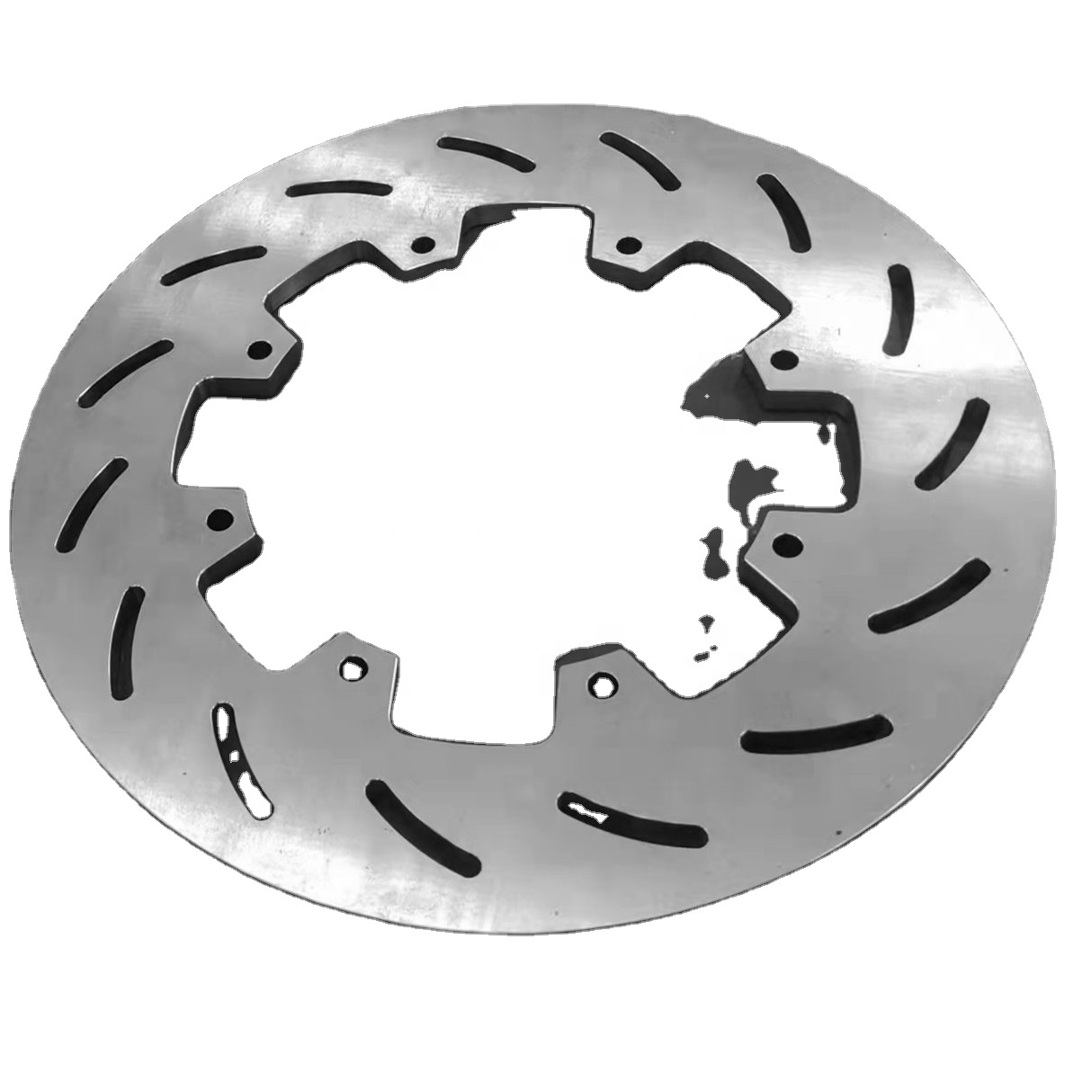
Our workshop floor houses 34 advanced multi-axis CNC machines, including 3-axis, 4-axis, and simultaneous 5-axis machining centers. This allows us to hold rigorous dimensional tolerances down to ±0.005mm (0.0002 inches) on complex contoured studs, hollow-drilled racing bolts, subsea valve cages, and high-precision inboard brake rotors.
Veteran Engineering Workforce
Over 50% of our precision machinists, toolmakers, and QA inspectors possess more than 13 years of hands-on experience exclusively turning and milling reactive refractory metals. Titanium requires careful cutting parameter control—such as high torque, low rotational speed, flood coolant delivery, and specialized carbide geometries—to prevent work-hardening and tool chatter.
Zero-Defect Quality Infrastructure
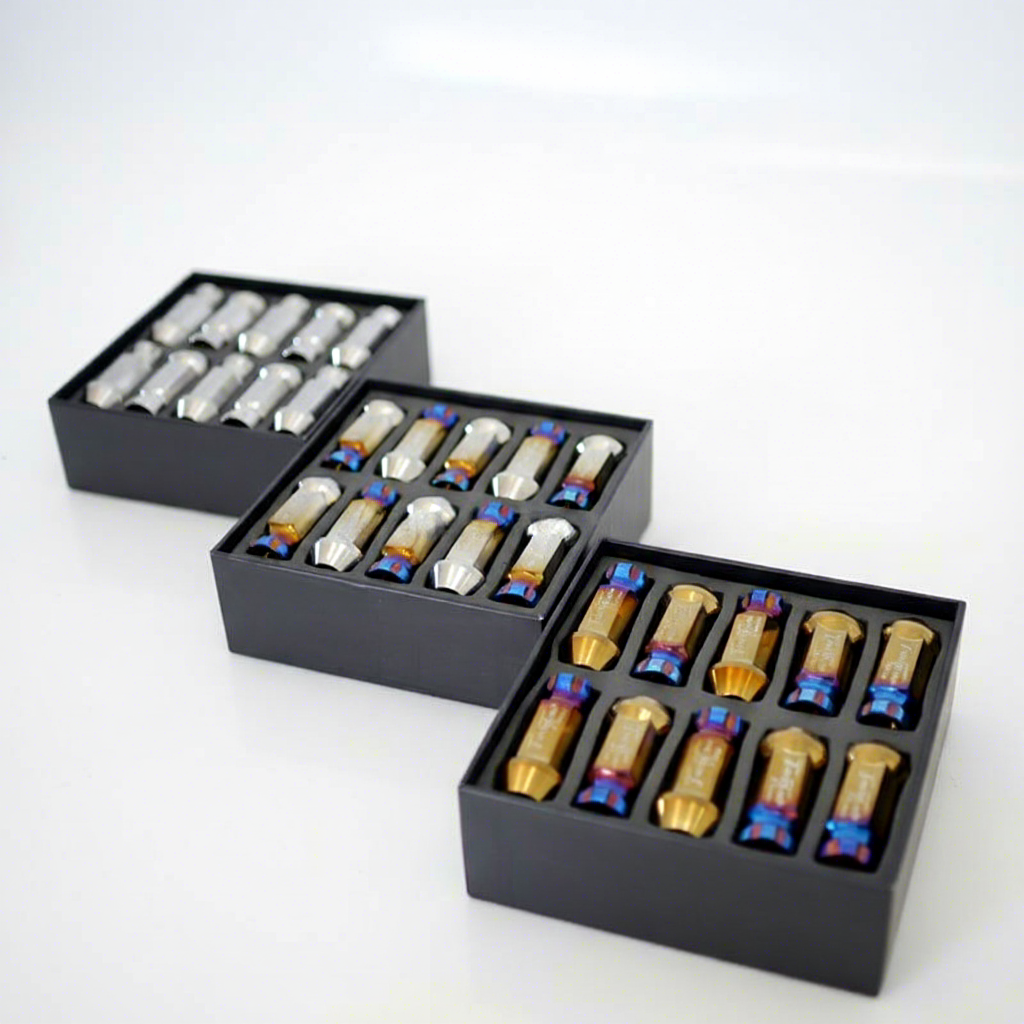
Quality begins with raw material verification. We execute positive material identification on all bar stock, ultrasonic flaw detection for subsurface porosity, and automated coordinate measuring machine (CMM) inspections on finished components. Every batch is packaged in protective protective foam trays and vacuum packaging to prevent thread damage during trans-Pacific transport.