Grade 5 Racing
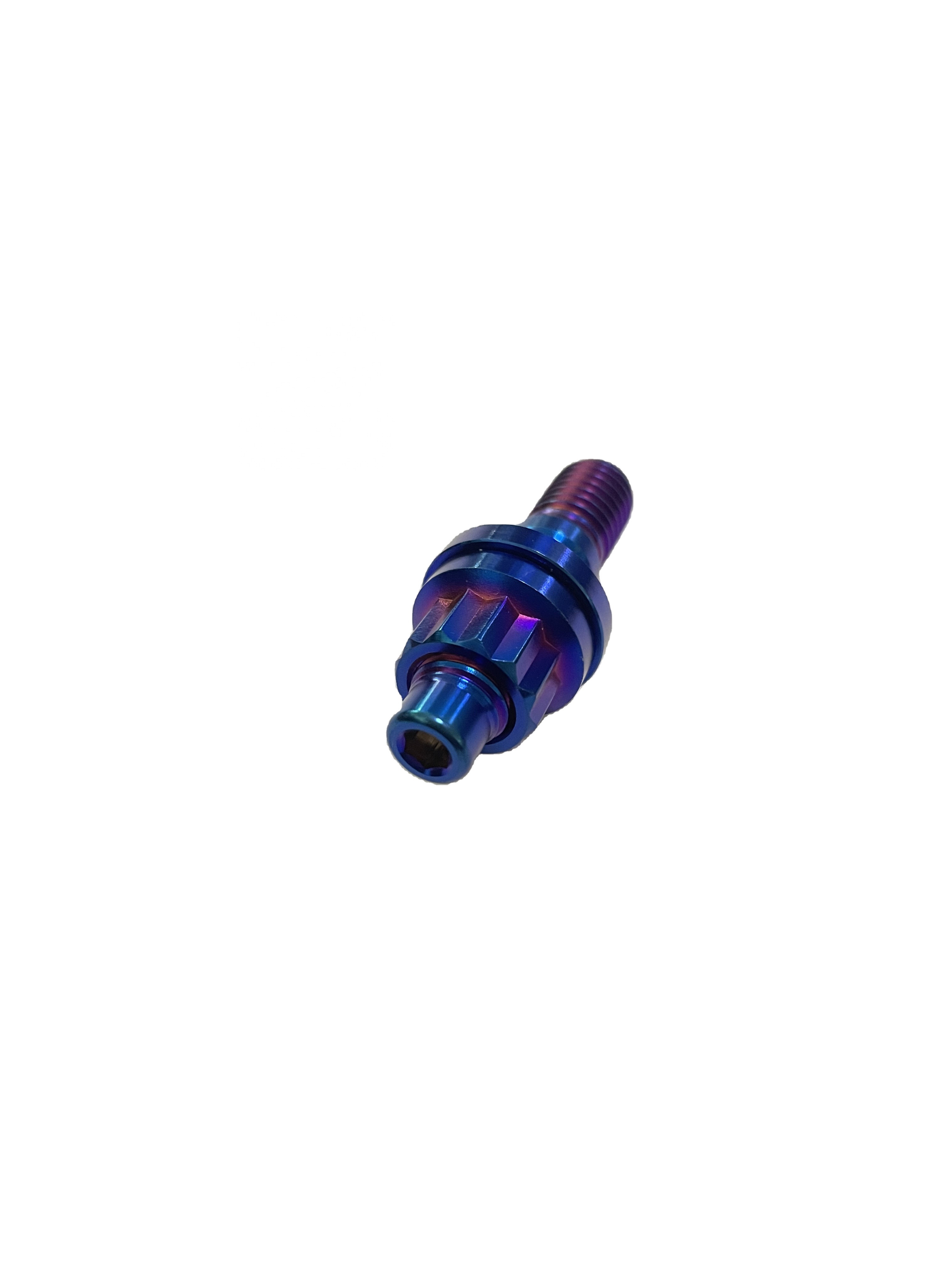
Titanium M8x1.25x55mm Exhaust Manifold Stud Kit GR5 ISO9001
Designed to eliminate manifold warping, shear failure, and thermal galling in turbocharged applications.
Explore our factory-direct titanium threaded studs, performance racing components, and precision fasteners manufactured to aerospace-level tolerances in China's Titanium Valley.
Designed to eliminate manifold warping, shear failure, and thermal galling in turbocharged applications.
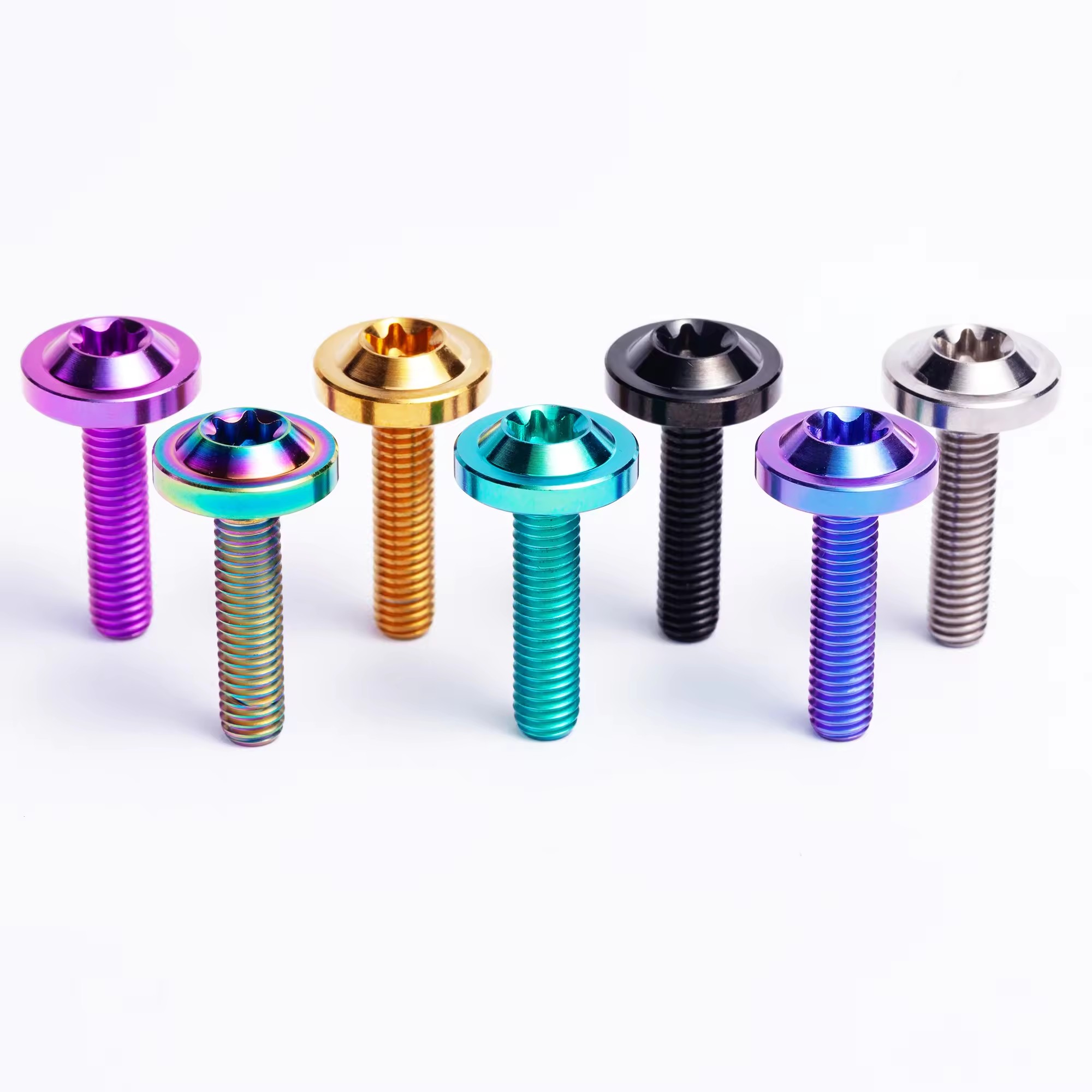
Low-profile aero design engineered for motorcycle fairings, chassis mounts, and tight clearances.
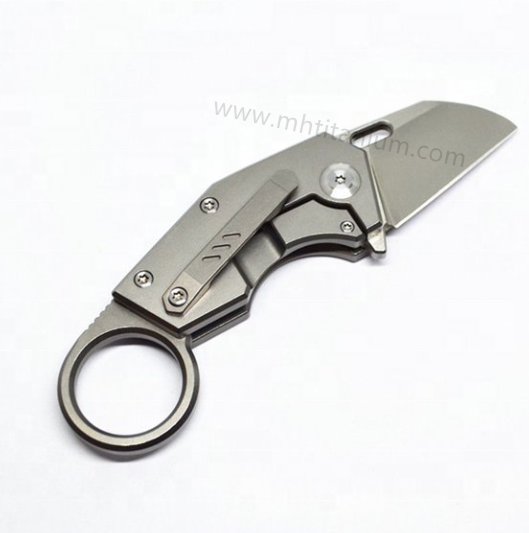
Precision CNC milled pocket titanium utility gear built with superior corrosion-proof longevity.
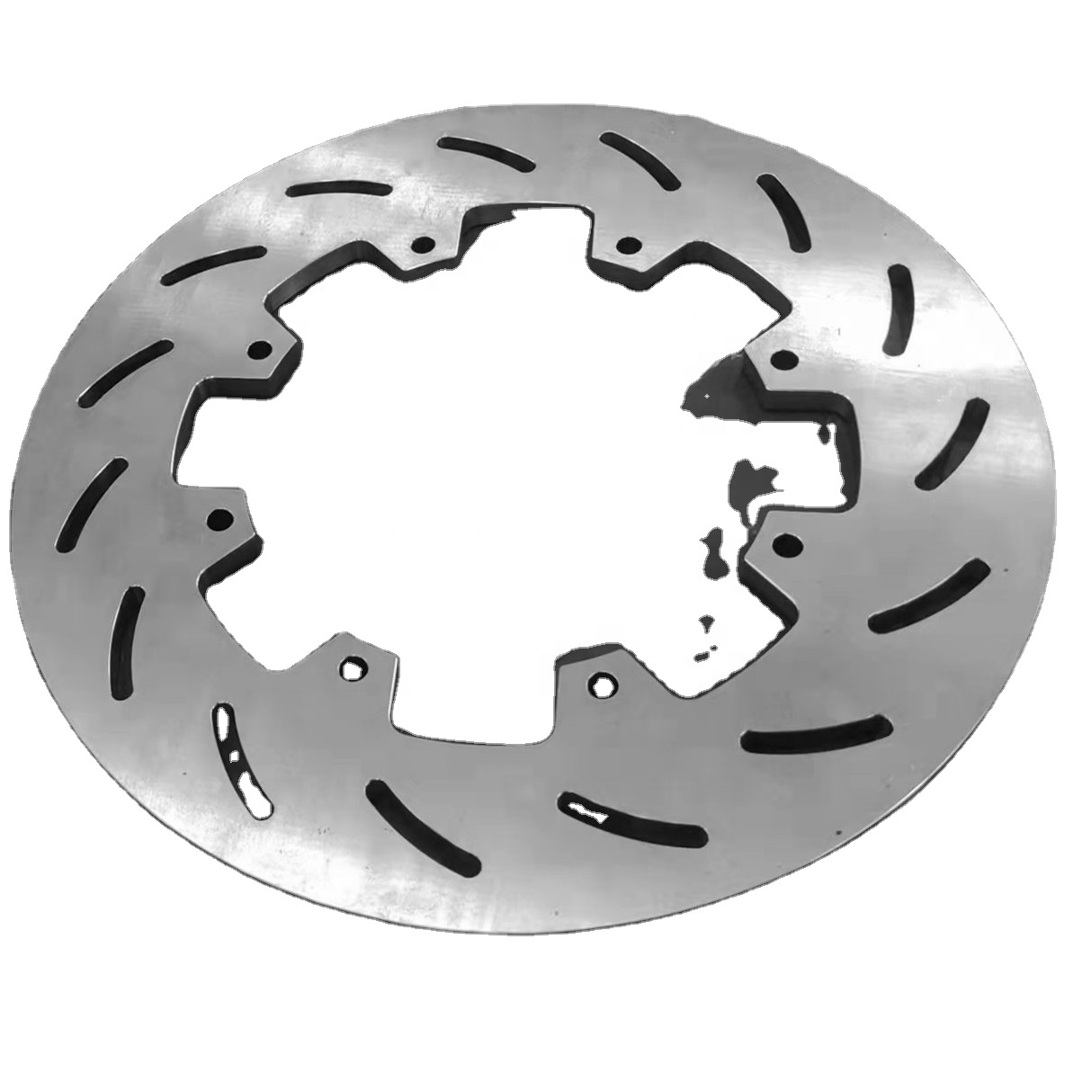
Reduces rotating unsprung mass significantly compared to cast iron while resisting heat distortion.
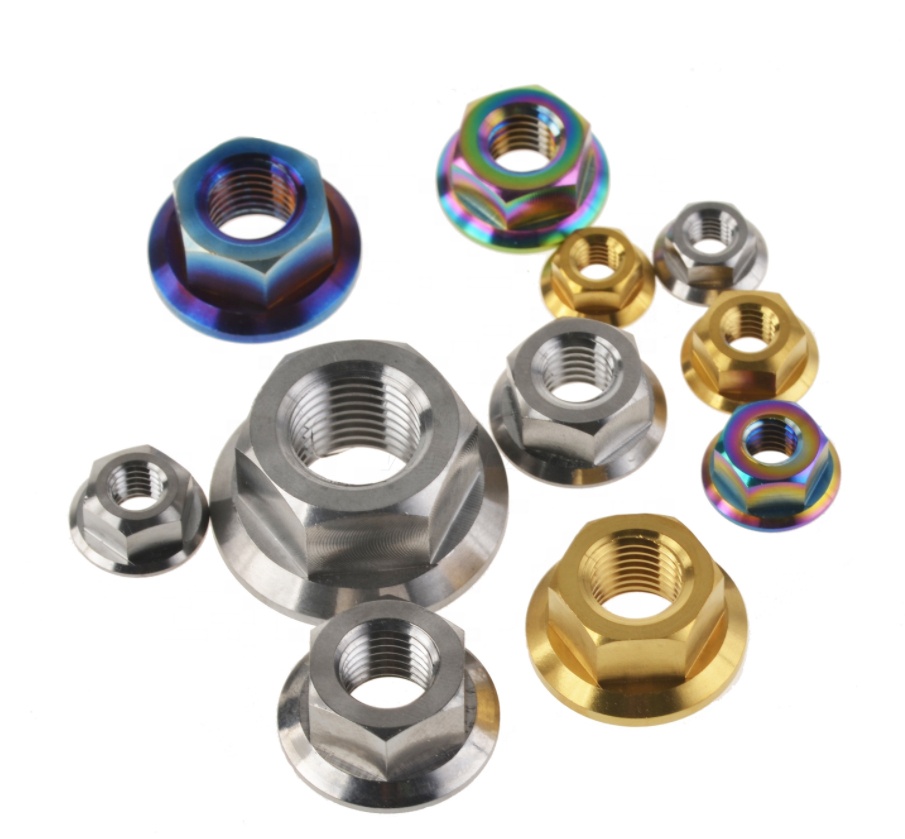
Self-locking serrated collar prevents backing off under intense harmonic and cyclic vibration.
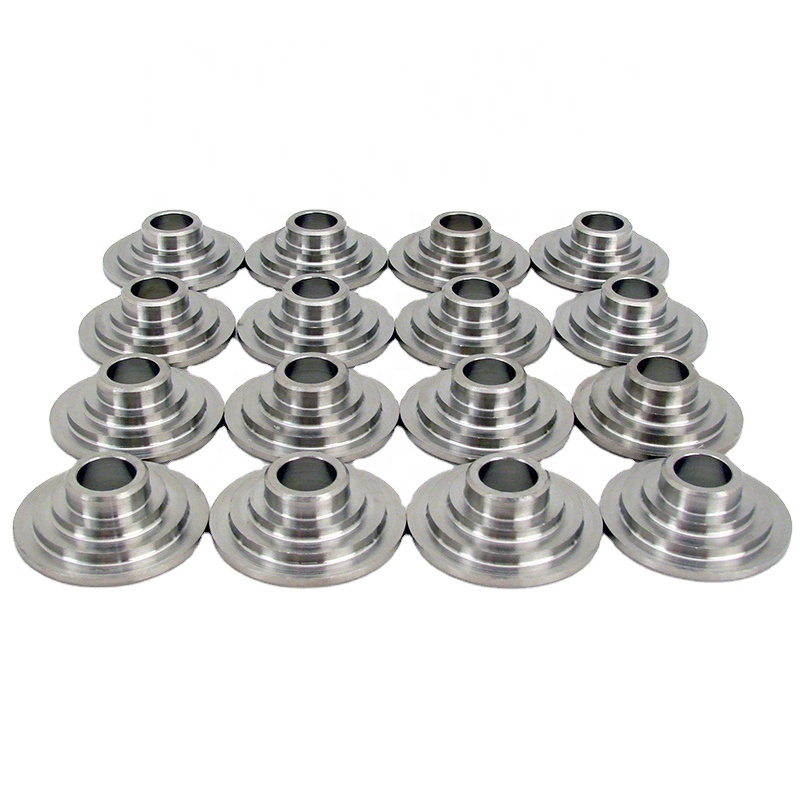
Critical upgrade for high-revving Honda powertrain platforms common in Central Ohio tuners.
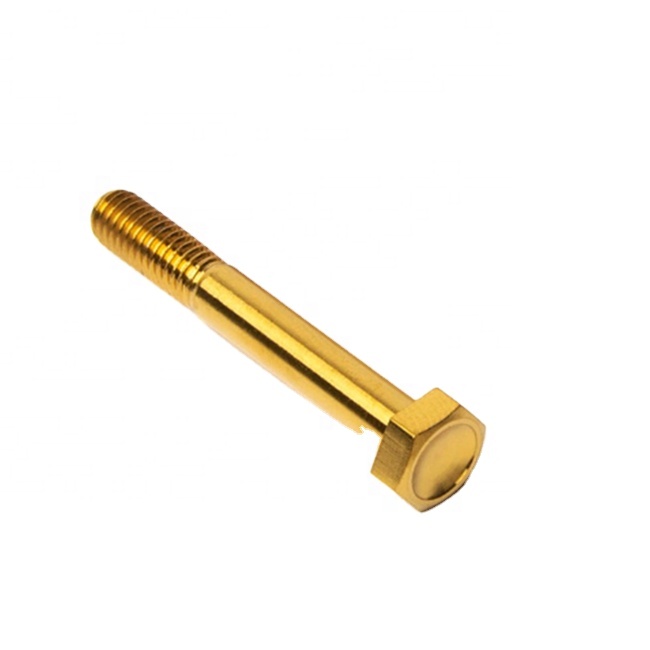
Forged structural titanium bumper bolts engineered for sprint, midget, and micro race cars.
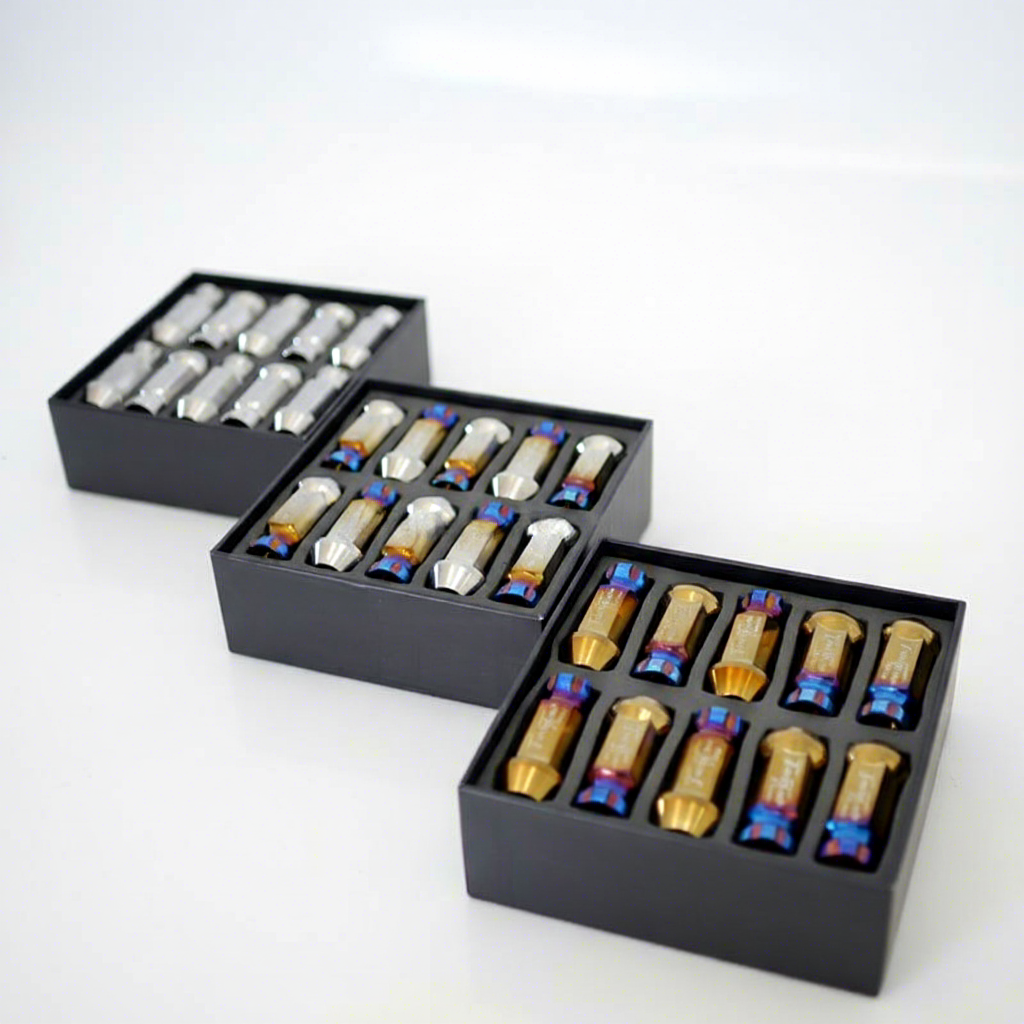
Lightweight, fatigue-tested wheel hardware engineered for road racing and high-torque hubs.
A deep dive into thread geometry, tensile endurance, thermal expansion characteristics, and cyclic fatigue mitigation for Columbus mechanical engineers and procurement teams.
In high-stress fastening applications across the Columbus automotive and industrial corridor, fastener fatigue failure accounts for over 82% of field mechanical breakdowns. The root cause frequently stems from micro-notches left by conventional single-point cutting or thread chasers. At Vunza Titanium Industry, our titanium threaded studs utilize precision cold thread rolling under continuous hydraulic die pressure.
Cold thread rolling plasticizes the alpha-beta crystalline grains of Ti-6Al-4V (Grade 5), conforming them continuously along the contour of the crest, flank, and root radius rather than shearing through the grain structure. This process induces beneficial compressive residual stresses across the thread root, enhancing dynamic fatigue life by 300% to 450% compared to cut titanium threads. For engine block-to-cylinder head interfaces and exhaust manifold connections subject to severe harmonic oscillations, rolled threads prevent catastrophic micro-crack initiation under elevated cyclic preloads.
A frequent challenge encountered by engine builders and industrial furnace operators in Central Ohio is the differential coefficient of thermal expansion (CTE) between fasteners and mating castings. Aluminum engine blocks and cylinder heads expand at roughly 22 to 24 × 10⁻⁶/K, whereas standard 8.8 / 10.9 alloy steel fasteners expand at approximately 11 to 12 × 10⁻⁶/K. Grade 5 titanium exhibits a low CTE of 8.6 × 10⁻⁶/K.
While the thermal expansion rate of titanium is lower than aluminum, its modulus of elasticity (Young's Modulus) is approximately 114 GPa—almost half that of steel (210 GPa). This lower elastic modulus allows titanium studs to act as a responsive mechanical spring. As aluminum flanges expand thermally during high-temperature cycles (reaching 550°C in exhaust ports or turbocharger scrolls), the titanium stud elongates elastically within its yield envelope without exceeding its proof stress, thereby avoiding thread stripping in soft aluminum castings and preventing joint relaxation upon cooling.
Titanium naturally forms an instantaneous, passivating surface oxide layer (TiO₂), which imparts exceptional chemical resistance against harsh road brines and industrial acids. However, when titanium threads engage unlubricated mating threads under high compressive clamp loads, this thin passive film can shear away through microscopic asperities, leading to severe friction welding or thread galling. To ensure reliable torque-to-tension conversion for Columbus MRO and motorsport technicians, our factory supplies studs with advanced surface engineering options: micro-arc oxidation (MAO), Physical Vapor Deposition (PVD) titanium nitride or chromium nitride coatings, and specialized molybdenum disulfide (MoS₂) dry-film treatments that stabilize the tightening friction coefficient (μ = 0.12–0.15).
| Material Specification | Yield Strength (MPa) | Tensile Strength (MPa) | Density (g/cm³) | Strength-to-Weight Ratio | Thermal Expansion (×10⁻⁶/K) | Corrosion Resistance (Salt/Acid) |
|---|---|---|---|---|---|---|
| Ti-6Al-4V Grade 5 (Annealed/Rolled) | ≥ 828 | ≥ 895 – 1050 | 4.43 | 202 – 237 (Optimal) | 8.6 | Impervious to chlorides, road brine & humid air |
| Commercial Pure Grade 2 Titanium | ≥ 275 | ≥ 345 | 4.51 | 76.5 | 8.9 | Outstanding chemical resistance for non-structural parts |
| Grade 10.9 High-Tensile Steel | 900 | 1000 – 1040 | 7.85 | 127 – 132 | 11.7 | High susceptibility to rust and road salt pitting |
| 316L Marine Stainless Steel | 240 | 550 | 8.00 | 68.8 | 16.0 | Moderate; subject to chloride pitting at high temp |
| Inconel 718 Nickel Superalloy | 1030 | 1240 | 8.19 | 151.4 | 13.0 | Extreme heat resistant, but 85% heavier than Gr5 Ti |
Columbus stands at the crossroads of American automotive engineering, advanced logistics, aerospace research, and high-performance racing. Here is how our titanium threaded studs serve local industrial demands.
Situated near Marysville, Dublin, and East Liberty, the Central Ohio automotive manufacturing cluster demands fasteners that endure severe mechanical and thermal shock. Our Gr5 titanium cylinder head studs, turbo downpipe studs, and exhaust manifold stud kits deliver 45% weight reduction over steel while retaining critical clamping forces under continuous boost conditions.
The resistance to embrittlement ensures zero thread shear during rapid thermal cycling, safeguarding high-output engine platforms developed across the Midwest corridor.
From sprint car operations competing at Eldora and local Ohio dirt tracks to drag racing engines tested at National Trail Raceway east of Columbus, rotating mass and unsprung weight dictate race-winning acceleration. Our customized forged titanium wheel studs, jet nuts, and titanium brake rotors eliminate rotating inertia at the hub.
With a fatigue limit superior to 8740 chromoly steel, our titanium hardware withstands violent rut impacts and torsional tire-shake without experiencing brittle cleavage failure.
Linked closely to the defense and research ecosystems encompassing the Defense Supply Center Columbus (DSCC) and nearby Wright-Patterson research suppliers, Central Ohio precision tooling demands 100% traceable, non-magnetic fastening components. Our CNC Grade 5 titanium double-ended threaded studs provide stable non-magnetic operation in sensitive RF calibration equipment, wind-tunnel scale mounts, and specialized aerospace test benches where thermal stability is paramount.
Ohio winters necessitate heavy seasonal usage of aggressive deicing solutions, specifically concentrated calcium chloride and magnesium chloride road brines. These chemicals rapidly induce stress corrosion cracking (SCC) and galvanic pitting on standard cadmium-plated or zinc-nickel steel chassis studs. Titanium is thermodynamically immune to chloride-induced pitting at ambient temperatures, making our titanium suspension studs and hub bolts the premier choice for all-weather utility fleets and exposed industrial mounts.
With the expanding biotech and chemical processing corridors throughout Central Ohio, equipment engineers require fasteners that prevent batch contamination and survive CIP (Clean-in-Place) caustic washdowns. Grade 2 and Grade 5 titanium threaded rods, studs, and hex nuts do not leach heavy metals, withstand nitric and organic acid sterilization washes, and resist pitting corrosion indefinitely.
As Central Ohio undergoes a historic transformation into the Silicon Heartland with multi-billion-dollar semiconductor fab investments in New Albany, non-outgassing, ultra-clean fastening components become critical. Our precision titanium studs, cleaned via ultrasonic degreasing and certified defect-free, provide structural fastening inside sub-fab vacuum exhaust systems, cooling fluid circuits, and cleanroom handling tools without particulate shedding.
How changing supply chain realities, EV platform transitions, and global supply economics are reshaping industrial fastener procurement in the Greater Columbus region.
With electric vehicle battery packs adding 800 to 1,500 pounds of curb weight to modern automotive platforms, automotive engineering teams throughout the Midwest are targeting every gram of secondary chassis weight. Titanium threaded studs represent one of the most cost-effective methods to achieve substantial unsprung mass reduction without re-engineering suspension geometry or tooling.
By replacing heavy steel studs on motor mounts, subframes, and brake caliper brackets with Ti-6Al-4V fasteners, OEMs and aftermarket builders reduce dynamic weight while gaining superior fatigue endurance against high-torque electric motor shock loads.
Historically, Columbus manufacturing teams purchased imported titanium fasteners through secondary domestic distributors, accumulating 40% to 75% markups across multiple handling layers. Modern purchasing directors now establish direct OEM relationships with verified source factories in Baoji, China (China Titanium Valley).
By leveraging dedicated air-cargo corridors directly into Rickenbacker International Airport (LCK)—one of the nation's premier international air cargo hubs located right in Columbus—enterprises bypass intermediate warehouse markups while maintaining just-in-time delivery schedules and retaining full mill test report (MTR) traceability.
Founded in 2008 in Baoji, China's Titanium Valley, Vunza Titanium Industry Co., Ltd. combines raw material mastery with world-class multi-axis precision machining.
Located directly adjacent to Baoti Group Industrial Park, our supply chain initiates with premium aerospace-grade 0A titanium sponge. Every ingot is double or triple vacuum consumable arc-melted (VAR), forged into billet, and drawn into bar stock under rigorous metallurgical control. We supply EN 10204 3.1 chemical and mechanical inspection certificates with every shipment destined for Columbus.
Our machine floor features 34 sets of high-precision CNC turning and 3/4/5-axis milling centers capable of holding dimensional tolerances down to ±0.005 mm. We accommodate custom metric pitches (M3 to M36), imperial standards (UNC, UNF, UNEF), and proprietary thread profiles according to customer 2D/3D CAD models (STEP, IGES, DWG).
Over 50% of our frontline technicians, machinists, and quality control inspectors have more than 13 years of specialized titanium machining experience. Titanium's low thermal conductivity and reactive tool wear characteristics require deep procedural expertise in tool geometry, coolant feed, and cutting speeds to avoid thermal micro-cracking.
We provide full-spectrum surface customization including vibrant electrolytic anodizing (blue, gold, purple, black, green), hard Physical Vapor Deposition (PVD) wear coatings, high-luster polishing, and non-destructive laser part numbering and OEM branding for private-label distributors in Ohio.
With an average verified response time under 9 hours, our international engineering desk bridges time zones efficiently. We provide comprehensive Design for Manufacturability (DFM) reviews, CAD drawing assessments, and prompt technical quotations to keep Columbus engineering schedules on track.
As an onsite-verified supplier on global trade platforms for over 13 consecutive years with a 5.0/5.0 buyer satisfaction score and high repeat order rates, Vunza Titanium maintains rigorous export compliance, tamper-proof export packaging, and transparent logistics tracking from Baoji to Ohio.
Common inquiries from mechanical engineers, quality managers, and purchasing agents across Ohio regarding titanium fastener implementation.
Galvanic corrosion occurs when two electrochemically dissimilar metals are in direct contact in the presence of an electrolyte (such as moisture laden with Midwest winter deicing salts). The potential difference between titanium (+0.05V) and aluminum (-0.75V to -0.90V) can accelerate aluminum degradation if not isolated.
To ensure long-term integrity in Columbus automotive engines and suspension assemblies, we recommend: (1) Applying a specialized barrier anti-seize paste formulated with nickel or ceramic micro-particles; (2) Utilizing our titanium studs pre-treated with hard anodization or PVD chromium nitride, which creates a non-conductive dielectric barrier; or (3) Specifying insulating fluoropolymer washers when titanium fasteners clamp exposed structural aluminum brackets.
Grade 5 titanium (Ti-6Al-4V) features yield strength comparable to Grade 10.9 alloy steel (approx. 828–900 MPa), but its friction coefficient can vary significantly depending on thread finish. Dry titanium threads have higher surface friction (μ ≈ 0.30–0.40), whereas lubricated or coated threads operate around μ ≈ 0.12–0.15.
As an engineering baseline, installation torque should target 65% to 75% of the fastener's yield strength. When using anti-seize lubricant, torque values should typically be reduced by 15% to 20% compared to dry steel specifications to achieve identical target clamp load (preload) without over-stressing the thread root or yielding internal casting threads.
Yes. Although we produce extensive metric fasteners (M3 through M36), a significant portion of our CNC turning lines are dedicated to American unified threads, including UNC (coarse), UNF (fine), UNEF (extra fine), and Class 3A tight-tolerance fit specifications. We routinely supply custom 10-32, 1/4-28, 3/8-24, 7/16-20, 1/2-20, and 5/8-18 titanium studs, hex bumper bolts, and lightweight jet nuts directly to Midwest sprint car and drag racing fabricators.
Every commercial production batch undergoes strict quality gates. Upon request, we provide a full incoming-to-outgoing documentation package including: (1) EN 10204 3.1 Mill Test Report detailing exact chemical composition (Ti, Al, V, Fe, C, N, H, O) and mechanical tensile/yield test results; (2) Dimensional first-article and final inspection reports measured via high-precision CMM, optical comparators, and calibrated thread gauges; (3) Hardness inspection records; and (4) Certificate of Conformity (CoC).
For standard catalog items and pre-machined stud blanks, dispatch occurs within 3 to 7 business days. Custom CNC machining from engineering drawings typically requires 2 to 3 weeks for prototype tooling and first-article validation, followed by 3 to 4 weeks for volume production batches.
For urgent logistics into the Columbus market, air express shipments (via DHL, FedEx, UPS) or direct air-cargo routing into Rickenbacker International Airport (LCK) take approximately 4 to 7 business days from factory dispatch. Bulk ocean freight shipments clear through East Coast ports or Midwest consolidation centers within 25 to 35 days.
Our MOQ is engineered to support both specialized prototype development and high-volume production. For customized titanium threaded studs, wheel studs, and engine hardware, standard batch MOQ ranges from 100 to 300 pieces. For complex 5-axis milled parts or large-diameter specialty hardware, pilot orders starting at 10 to 50 pieces are supported to facilitate customer testing and CMM validation before full-rate production releases.