High-Performance Titanium Hardware Ready for Deployment
Engineered to withstand cyclic thermal shocks from 650°C to ambient temperatures without galling, seizing, or stress cracking. Sourced directly from our Baoji precision machining facilities.
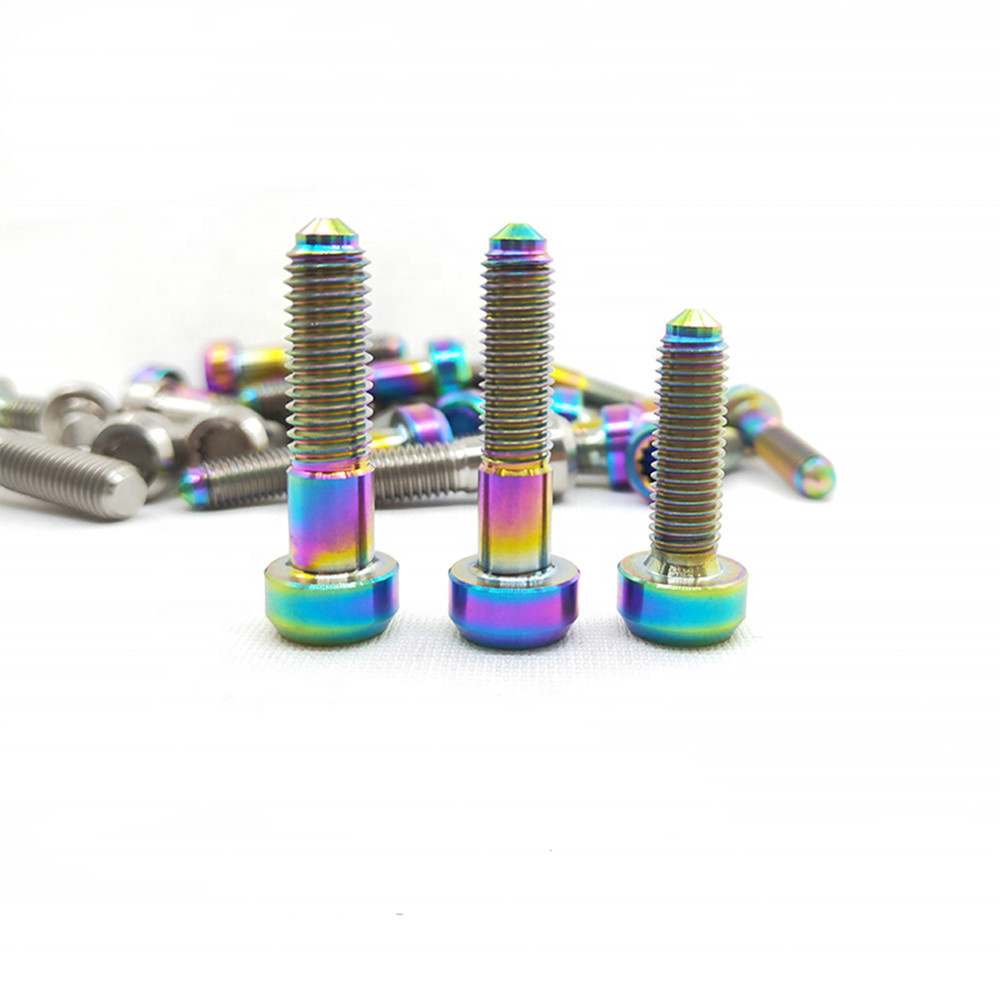
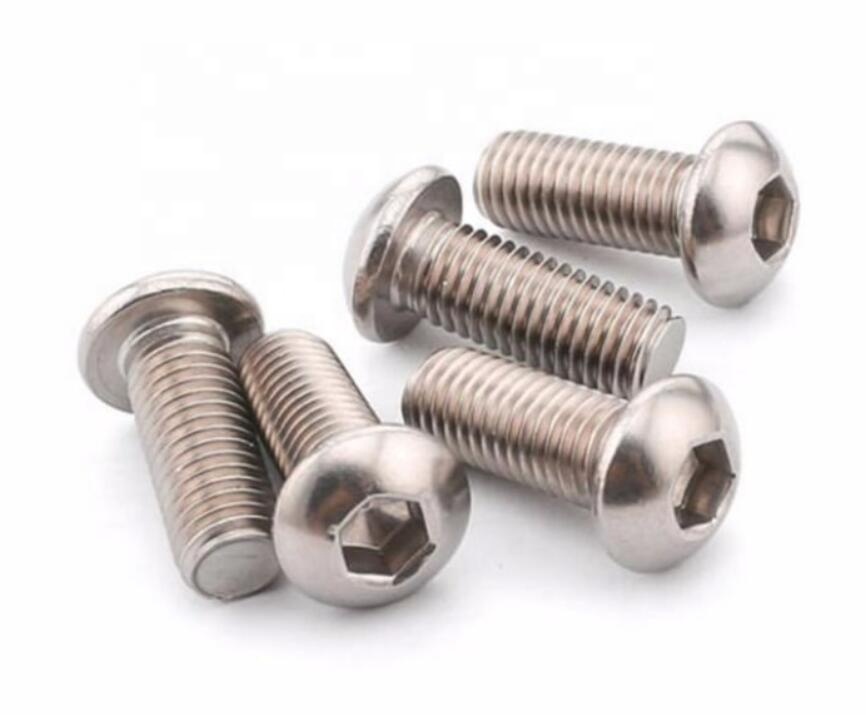
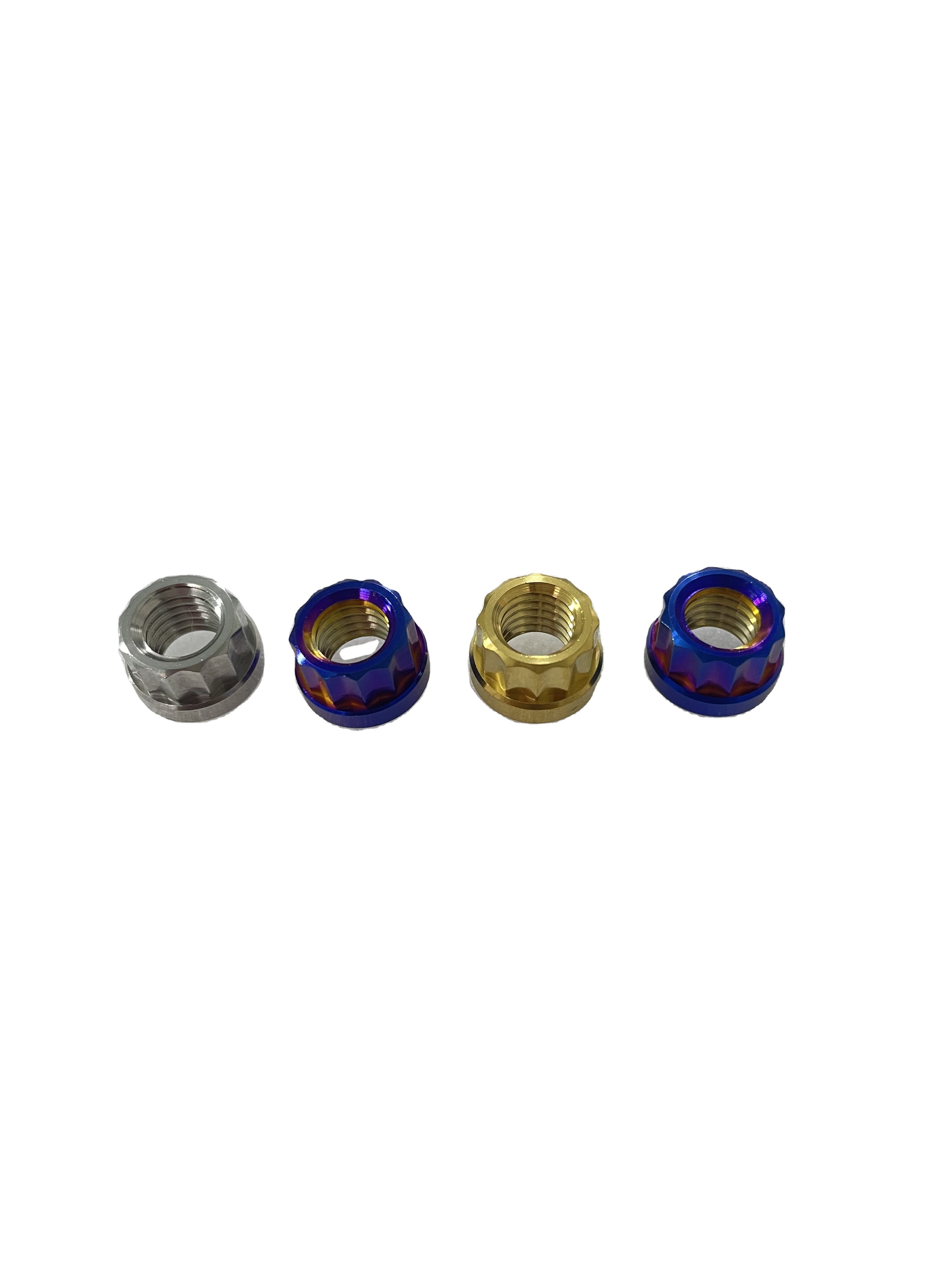
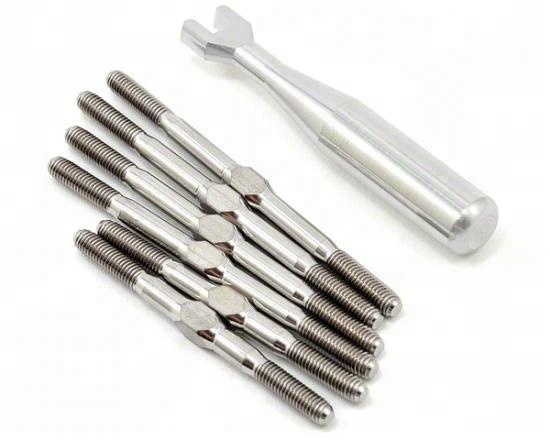
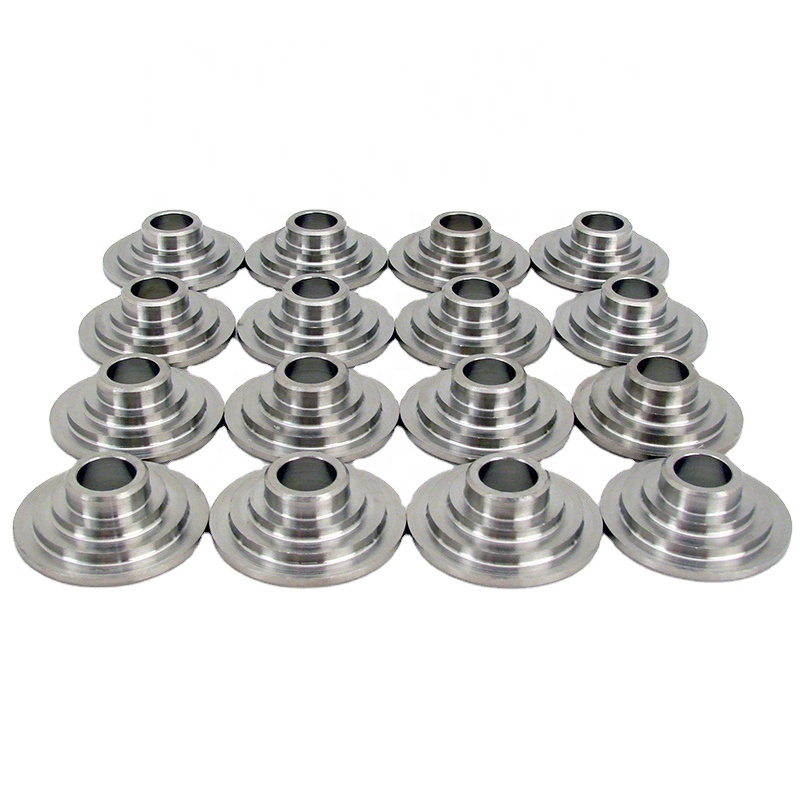
Metallurgical Dynamics of Grade 5 Titanium Exhaust Studs in Marseille Marine & Racing Environments
Why Ti-6Al-4V has systematically replaced stainless steel (AISI 304/316) and chromoly steel in high-stress turbo manifold fasteners along the Côte d'Azur corridor.
Operating a high-performance internal combustion engine or a marine turbodiesel system in Marseille presents an aggressive metallurgical challenge: the simultaneous exposure to violent thermal cycling (exhaust gas temperatures cycling up to 850°C–950°C) and the corrosive, salt-laden marine atmosphere of the Mediterranean basin. Under these specific conditions, traditional exhaust fasteners made of mild steel, 8.8/10.9 grade zinc-plated carbon steel, or even austenitic stainless steels (such as A2-70 or A4-80) suffer from critical structural degradation. Carbon steel exhaust studs oxidize rapidly, causing the threads to weld permanently into aluminum cylinder heads via galvanic binding and iron oxide expansion. Stainless steel, on the other hand, exhibits an excessively high coefficient of thermal expansion (approx. 16.0–18.0 × 10⁻⁶/K), leading to loose flanges during cooling or sheared stud shanks under rapid thermal shock.
Grade 5 Titanium (Ti-6Al-4V, Werkstoff 3.7165, UNS R56400) provides the definitive engineering balance for manifold-to-cylinder-head fastening. With a nominal chemical composition of 6% aluminum, 4% vanadium, 0.25% (max) iron, and 0.20% (max) oxygen, this alpha-beta alloy delivers an ultimate tensile strength exceeding 895–1000 MPa, a yield strength greater than 828 MPa, and a low coefficient of thermal expansion (8.6 × 10⁻⁶/K at 20°C–100°C). This thermal expansion curve closely aligns with modern cast-aluminum automotive cylinder heads (such as A356 or AlSi7Mg), effectively maintaining constant pre-load tension across thousands of thermal cycles without warping the exhaust gasket.
In high-vibration automotive racing (such as track vehicles frequenting nearby Circuit Paul Ricard in Le Castellet) and offshore marine vessels operating from Grand Port Maritime de Marseille (GPMM), studs manufactured with lathe-cut threads suffer from premature fatigue failure. Cut threads interrupt the metallurgical grain flow of the titanium bar, creating micro-notch stress concentrators at the thread roots. Tier-1 exhaust hardware demands cold thread rolling, which plastically deforms the titanium crystal structure, induces compressive residual surface stresses, and enhances thread shear fatigue resistance by over 300% under harmonic vibration.
Empirical Comparison: Grade 5 Titanium vs. Conventional Exhaust Fastener Alloys
The table below summarizes mechanical, physical, and corrosion benchmarks essential for engineering procurement officers operating across the Bouches-du-Rhône maritime and industrial hub.
| Alloy Specification | Tensile Strength (MPa) | Yield Strength (MPa) | Density (g/cm³) | Thermal Expansion (10⁻⁶/K) | Marine Salt Fog Resistance (ASTM B117) | Thread Galling Risk on Aluminum Head |
|---|---|---|---|---|---|---|
| Ti-6Al-4V Grade 5 (TC4) | ≥ 950 | ≥ 880 | 4.43 | 8.6 | Immune (Spontaneous TiO₂ Passivation) | Very Low (With PVD TiN / Anti-Seize Paste) |
| Class 10.9 Carbon Steel | 1040 | 940 | 7.85 | 12.0 | Severe Corrosive Seizure (< 96 Hours) | High (Galvanic Cell Formation) |
| AISI 316L Stainless Steel | 580 | 290 | 8.00 | 16.5 | Moderate (Subject to Pitting in Chloride) | Extremely High (Cold-Welding Risk) |
| Inconel 625 (Nickel Superalloy) | 930 | 517 | 8.44 | 12.8 | Exceptional | Low |
| Grade 2 Commercially Pure Titanium | 345 | 275 | 4.51 | 8.6 | Immune | Low (Insufficient Tensile for Turbo Manifolds) |
Top 10 Grade 5 Titanium Exhaust Studs Factories & Sourcing Channels in Marseille
A rigorous industrial review of specialized manufacturing facilities, CNC aerospace subcontractors, and precision direct-from-mill importers serving the Marseille industrial metropolitan area.
Vunza Titanium Industry Co., Ltd.
Origin: Baoji (China Titanium Valley) · Direct Marseille Port LogisticsFounded in 2008 adjacent to the Baoti Group Industrial Park, Vunza represents the direct-source manufacturing benchmark for high-tensile titanium studs. Operating 34 sets of 3-, 4-, and 5-axis CNC machining centers, Vunza delivers ISO 9001 certified Grade 5 studs featuring precision-rolled threads down to 0.005 mm tolerance.
- Core Competence: Rolled M8×1.25 / M10×1.25 & 12-point aero nuts
- Material Traceability: Sponge-to-finished-part EN 10204 3.1 Mill Certs
- Marseille Transit: DDP Sea Freight via GPMM or 4-Day Express Air
- Torque Verification: Tested to 45 Nm without thread yield
Ateliers Mécaniques du Port de Marseille
Location: Port de Marseille-Fos, 13002 Marseille, FranceSpecializing in mega-yacht exhaust refits and naval turbo bypass studs. Primarily operates as a precision precision turning workshop modifying imported certified titanium billet into custom marine-spec studs for off-shore exhaust risers.
- Core Competence: Large-diameter M12 to M20 marine turbo studs
- Strengths: Rapid local on-site turnaround in dry docks
- Limitation: High piece-part cost; limited cold-thread rolling
Provence Racing Mécanique (PRM)
Location: Z.I. Les Paluds, 13400 Aubagne (Marseille Metro)A precision engineering contractor supplying racing teams competing at Le Castellet and hill-climb events across the PACA territory. Focuses on custom prototype exhaust manifold kits for Renault Sport and Alpine A110 turbo engines.
- Core Competence: Custom length M8 studs with internal hex drive
- Strengths: Dynamic dyno-testing capabilities on site
- Limitation: Low batch scalability; dependent on external titanium bar stock
Fos Métrologie & Usinage Titane
Location: Zone Industrielle de Fos-sur-Mer, 13270 Fos-sur-MerHeavy industrial machining enterprise providing petrochemical and industrial turbine exhaust studs. High focus on ASTM B348 Grade 5 high-temperature flange assemblies subjected to sulfurous flue gases.
- Core Competence: Industrial flange studs & anti-vibration lock nuts
- Strengths: Extensive ultrasonic non-destructive testing (NDT)
- Limitation: Heavy components focus, lack of automotive racing studs
Aéro-Usinage Méditerranée
Location: Marignane Aeropole, 13700 MarignanePositioned near the Airbus Helicopters industrial cluster, this facility manufactures flight-certified aerospace hardware. Offers ultra-high precision Grade 5 fasteners that occasionally cross over into premier motorsport engine builds.
- Core Competence: AS9100 certified titanium fasteners
- Strengths: Uncompromising quality inspection & optical scanning
- Limitation: Extreme aerospace price markups; 16-week lead times
Chantiers Navals La Ciotat Fasteners Hub
Location: Port de Plaisance, 13600 La CiotatIntegrated within the prominent La Ciotat superyacht refit shipyards, this specialist unit fabricates bespoke Grade 5 exhaust manifold studs for quad-turbo marine engines and auxiliary generators exposed to Mediterranean waters.
- Core Competence: M10 and M12 high-torque titanium stud kits
- Strengths: Saltwater immersion coating applications (PVD/Cerakote)
- Limitation: Exclusively marine refit focus; very high custom order MOQs
Aix Mécanique Numérique
Location: Parc d'Activités d'Aix-en-Provence, 13290 Aix-en-ProvenceEquipped with modern Swiss-style sliding head lathes and multi-axis milling equipment. Delivers medium-volume titanium components for motorsport engine tuners throughout southern France and northern Italy.
- Core Competence: Small batch custom thread configurations
- Strengths: Rapid CAD/CAM engineering collaboration
- Limitation: Relies on third-party suppliers for raw titanium sponge and bars
Comptoir Industriel de Provence (CIP Fasteners)
Location: Zone Industrielle des Estroublans, 13127 VitrollesA premier stocking distributor and light-finishing house supplying DIN-spec fasteners to Marseille assembly lines. Maintains inventory of standard M8/M10 studs imported from Asian precision mills for regional dispatch.
- Core Competence: Standard DIN 938/939 titanium studs in stock
- Strengths: 24-hour delivery within the Bouches-du-Rhône department
- Limitation: Lack of custom CNC design engineering or non-standard threading
Sud-Est Racing Hardware & Usinage
Location: Route de Cassis, 13009 Marseille, FranceSpecialist workshop focusing on exhaust collectors, inconel manifold welding, and titanium mounting studs. Recognized in historic rallying and vintage Alpine racing restorations.
- Core Competence: Retrofit stepped-thread exhaust studs (M10 head / M8 manifold)
- Strengths: Deep expertise in vintage French motorsport applications
- Limitation: Limited machine capacity; unsuited for production runs > 500 pcs
Méditerranée Titane Industrie
Location: Boulevard National, 13003 Marseille, FranceAn import-export metallurgical brokerage supplying certified titanium raw materials, seamless pipes, and forged fastener blanks to French Mediterranean engineering workshops.
- Core Competence: Ti-6Al-4V Grade 5 centerless ground round bars
- Strengths: Ultrasonic flaw detection and EN 10204 3.1 documentation
- Limitation: Operates primarily as a material supplier rather than end-part CNC factory
High-Stress Application Environments Across the Marseille Economic Corridor
Examining why Grade 5 titanium exhaust studs are an essential engineering requirement rather than a cosmetic upgrade in southern France.
1. Mediterranean Offshore & Superyacht Marine Exhausts
Marseille and nearby La Ciotat house some of Europe's most significant naval refit shipyards. High-output marine diesel engines operate continuously under high loads where seawater mist enters the engine compartment via ventilation ducts. Standard steel studs corrode and expand within cast iron or aluminum manifolds, risking devastating stud failure. Grade 5 titanium forms an instantaneous, non-porous titanium dioxide ($TiO_2$) passivation layer that resists chloride pitting indefinitely, eliminating unscheduled down-time during maritime transit.
2. Endurance Motorsport at Circuit Paul Ricard
Located just 35 km outside Marseille, Circuit Paul Ricard in Le Castellet is home to rigorous GT3, endurance, and track events. Turbocharged exhaust systems on these vehicles reach exhaust gas temperatures over 900°C along the 1.8 km Mistral Straight, followed by abrupt deceleration cooling. Grade 5 titanium studs provide the elastic recovery needed to maintain manifold gasket clamping force under severe thermal oscillation without stretching permanently (plastic elongation) or snapping.
3. Petrochemical & Thermal Turbines in Fos-sur-Mer
The heavy petrochemical complexes around the Gulf of Fos employ industrial gas turbines and high-temperature heat exchangers. In these continuous-duty installations, exhaust studs are subjected to sulfurous atmospheres and constant mechanical vibration. Grade 5 studs engineered with precision rolled threads prevent thread creep and stress-corrosion cracking, extending routine preventative maintenance intervals from 12 months to over 48 months.
Why Tier-1 Engineers Source from Vunza Titanium Industry
Combining Baoji's world-leading raw material supply chain with multi-axis precision CNC machining, strict sponge-to-part traceability, and rapid international fulfillment.

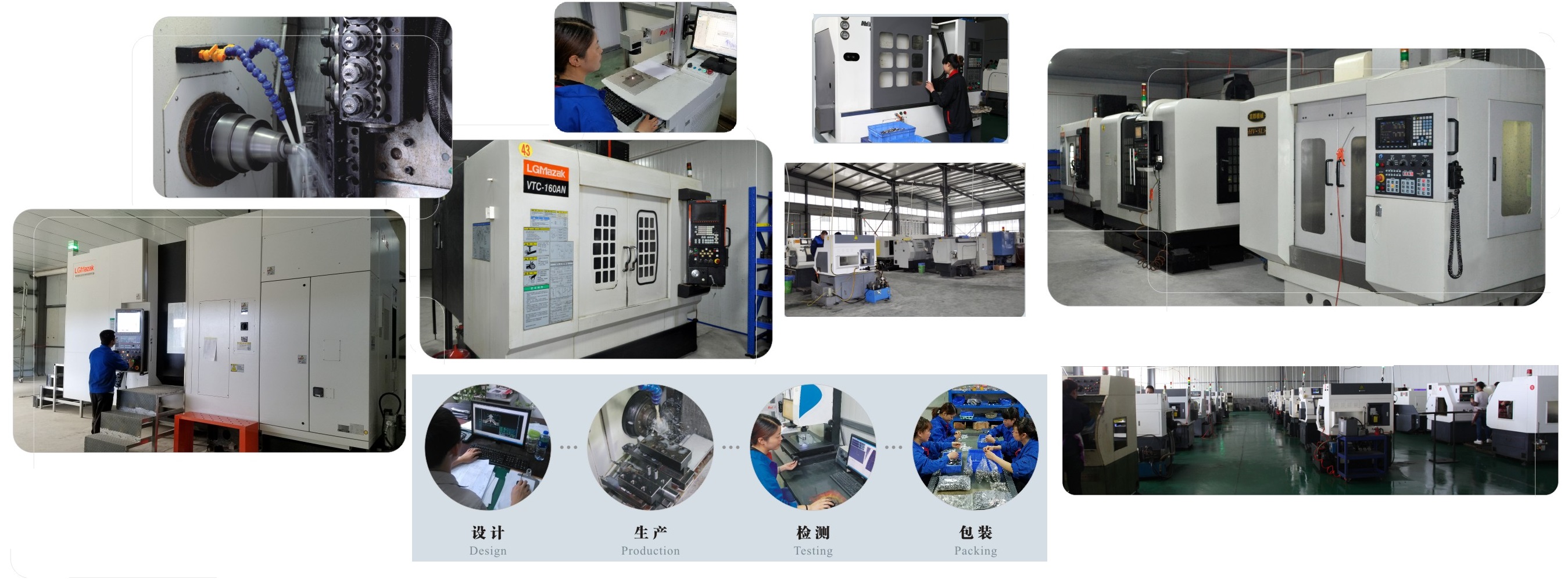
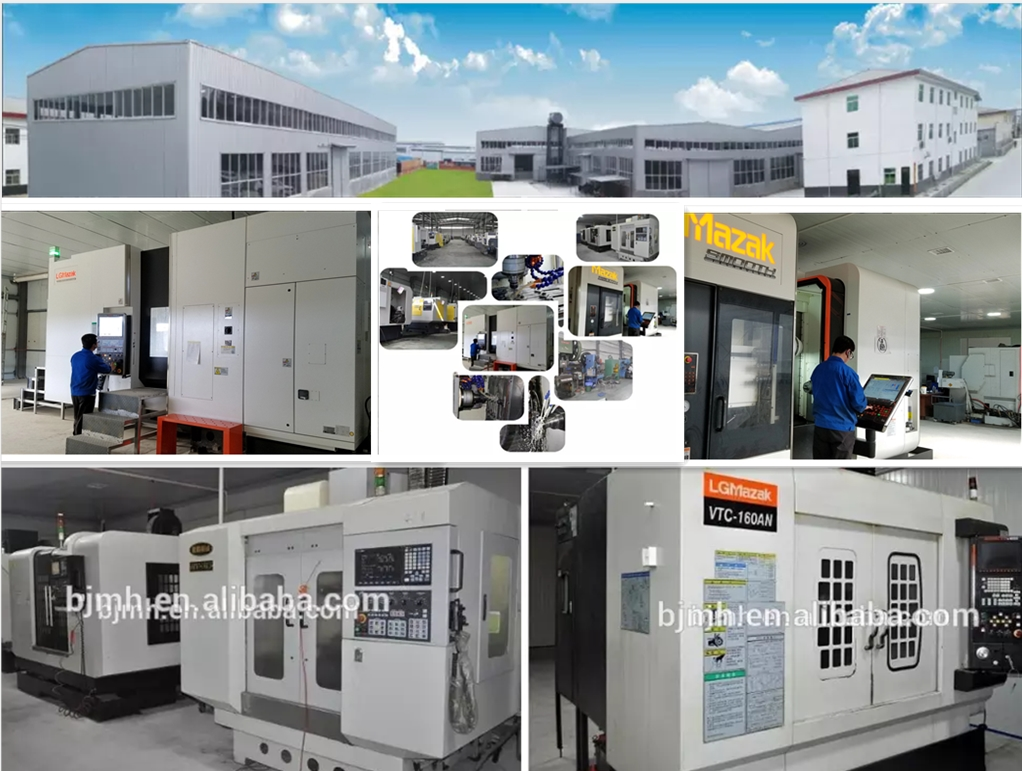
Headquartered in the Gaoya Village Industrial Zone of Baoji, Shaanxi—China's recognized "Titanium Valley"—Vunza Titanium Industry Co., Ltd. sits at the heart of the world's most concentrated titanium melting, forging, and research hub, right alongside the Baoti Group Industrial Park. This geographic advantage grants us complete upstream metallurgical control: our Quality Assurance protocol starts with prime titanium sponge (Grade 0), followed by vacuum arc remelting (VAR), precision hot rolling, and ultrasonic testing before any bar reaches our machining spindles.
Unlike regional machine shops that perform lathe-turning on off-the-shelf round stock, Vunza leverages dedicated cold thread rolling machinery. This cold work hardening process compacts the crystalline structure at the stud's root, dramatically elevating shear resistance and eliminating root notch sensitivity. Every single batch destined for European distributors or racing builders is backed by complete mill test certificates in full accordance with EN 10204 3.1, confirming precise chemical percentages (Al, V, Fe, C, N, H, O) and physical pull-test yields.
Emerging Procurement Trends Shaping Southern France's Titanium Sector
How the green transition, EU maritime sulfur regulations, and advanced engine downsizing are driving Grade 5 titanium demand in Marseille through 2026–2030.
The industrial ecosystem across Marseille and the wider Provence-Alpes-Côte d'Azur region is navigating a transition accelerated by European Union decarbonization mandates and the International Maritime Organization's (IMO) Mediterranean Emission Control Area (SECA/NECA) regulations. These shifts are transforming fastener procurement across three main vectors:
1. Engine Downsizing and Increased Turbo Boost Pressures: Automotive manufacturers and performance tuners across France are squeezing higher specific horsepower out of smaller displacement combustion engines. Modern twin-scroll and variable-geometry turbochargers generate extreme manifold back-pressures and thermal loads exceeding 950°C. Standard M8 studs frequently suffer from mechanical relaxation under these pressures. High-tensile Grade 5 titanium studs—especially configurations featuring rolled threads and PVD-deposited friction-reducing coatings—have emerged as the de-facto standard to avoid cylinder head retorquing and exhaust gas leakage.
2. Marine Decarbonization and Weight Reduction in Fast Ferries: High-speed catamarans and commercial patrol craft connecting Marseille, Toulon, and Corsica increasingly demand substantial top-side weight savings to meet strict fuel efficiency benchmarks. Replacing hundreds of kilograms of high-alloy steel manifold fasteners, turbo brackets, and exhaust flanged joints with Ti-6Al-4V delivers an instantaneous 44% weight reduction on exhaust hardware while securing lifelong immunity against Mediterranean saltwater corrosion.
3. Direct-from-Source Factory Partnerships: Historically, French engineering firms purchased aerospace and racing hardware through multi-layered European distribution networks, paying markups of 300% to 500%. In today's competitive landscape, procurement directors in Marseille increasingly bypass middlemen to partner directly with verified factories like Vunza Titanium. Direct communication with factory engineers ensures tighter CNC tolerances (0.005 mm), custom thread pitch integration (e.g., M8×1.25 into the head, M8×1.00 on the nut end), and transparent material validation via EN 10204 3.1 inspection documentation.
Frequently Asked Questions: Sourcing Grade 5 Titanium Studs in Marseille
Straightforward technical answers to the most common questions raised by automotive builders, marine contractors, and industrial buyers in France.
Why should we select Grade 5 (Ti-6Al-4V) over Grade 2 commercially pure titanium for exhaust applications?
How do you prevent thread galling when installing titanium studs into aluminum cylinder heads?
What thread manufacturing method is used on your exhaust studs, and why does it matter?
Can you manufacture bespoke stepped studs or custom pitch configurations from engineering drawings?
What are the typical shipping lead times and customs logistics for orders delivered to Marseille?
What documentation is provided to satisfy European quality audits and aerospace/marine traceability?
Connect with Our Engineering Team Today
Whether you require 100 sets of precision M8 studs for an engine build or scheduled monthly production batches of custom aerospace components, Vunza Titanium provides factory-direct consistency, verified metallurgy, and unmatched technical precision.
Get Catalog