Featured Titanium Fasteners & Racing Performance Hardware
Direct from Baoji factory lines to European cycling workshops: cold-forged and precision-turned titanium bolts tested for dynamic endurance, salt-mist resistance, and high-torque reliability.
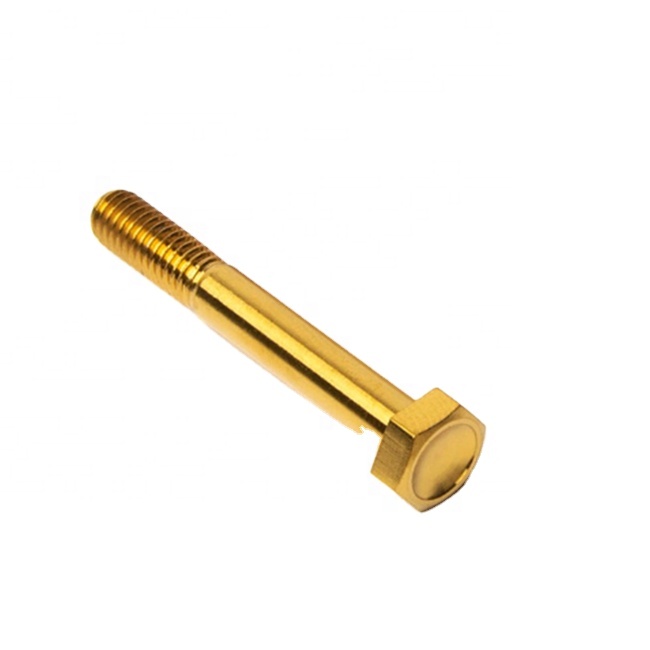
Customized Forged 10-32 X1 1/2" Inch UNF HEX Titanium BAR Bumper Bolt DIN 7991 Grade 5
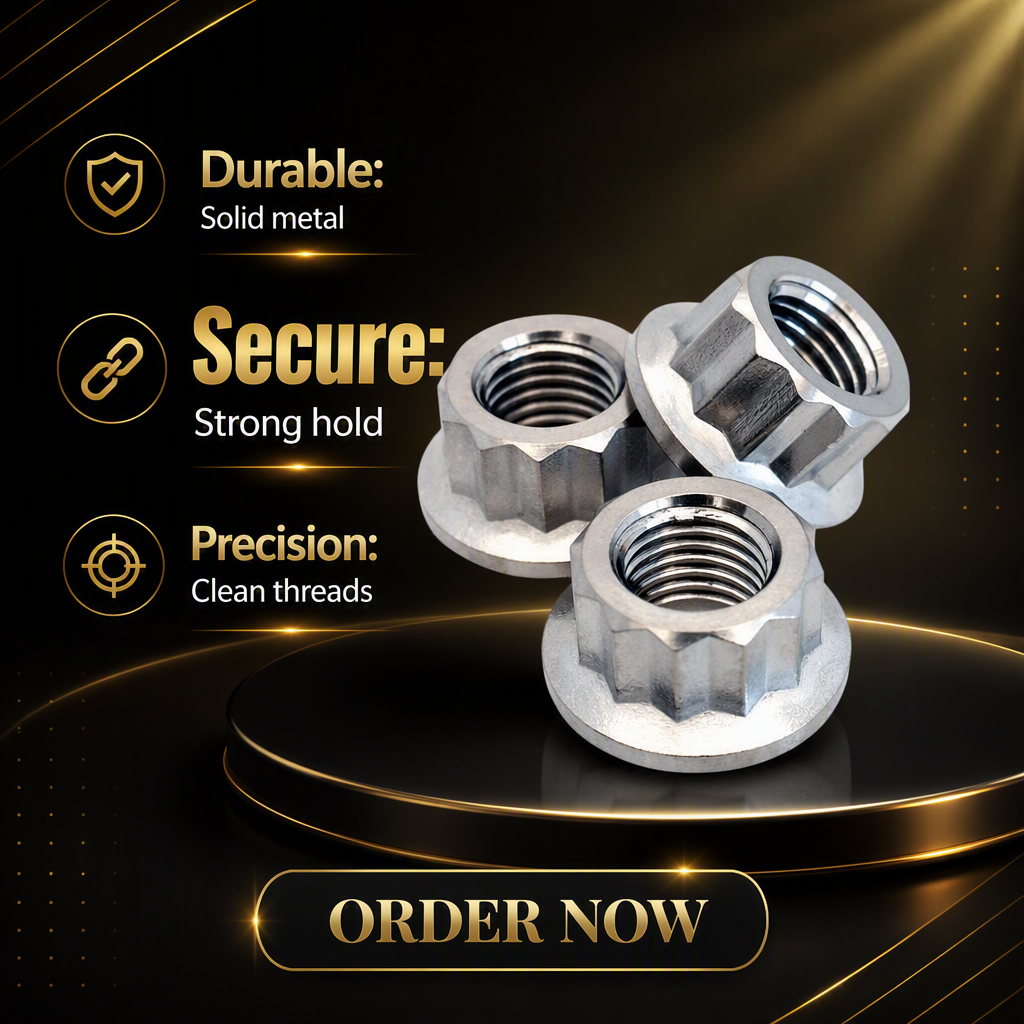
Polished Gr5 Titanium 12 Point Flange Nuts for Extreme Racing Environments
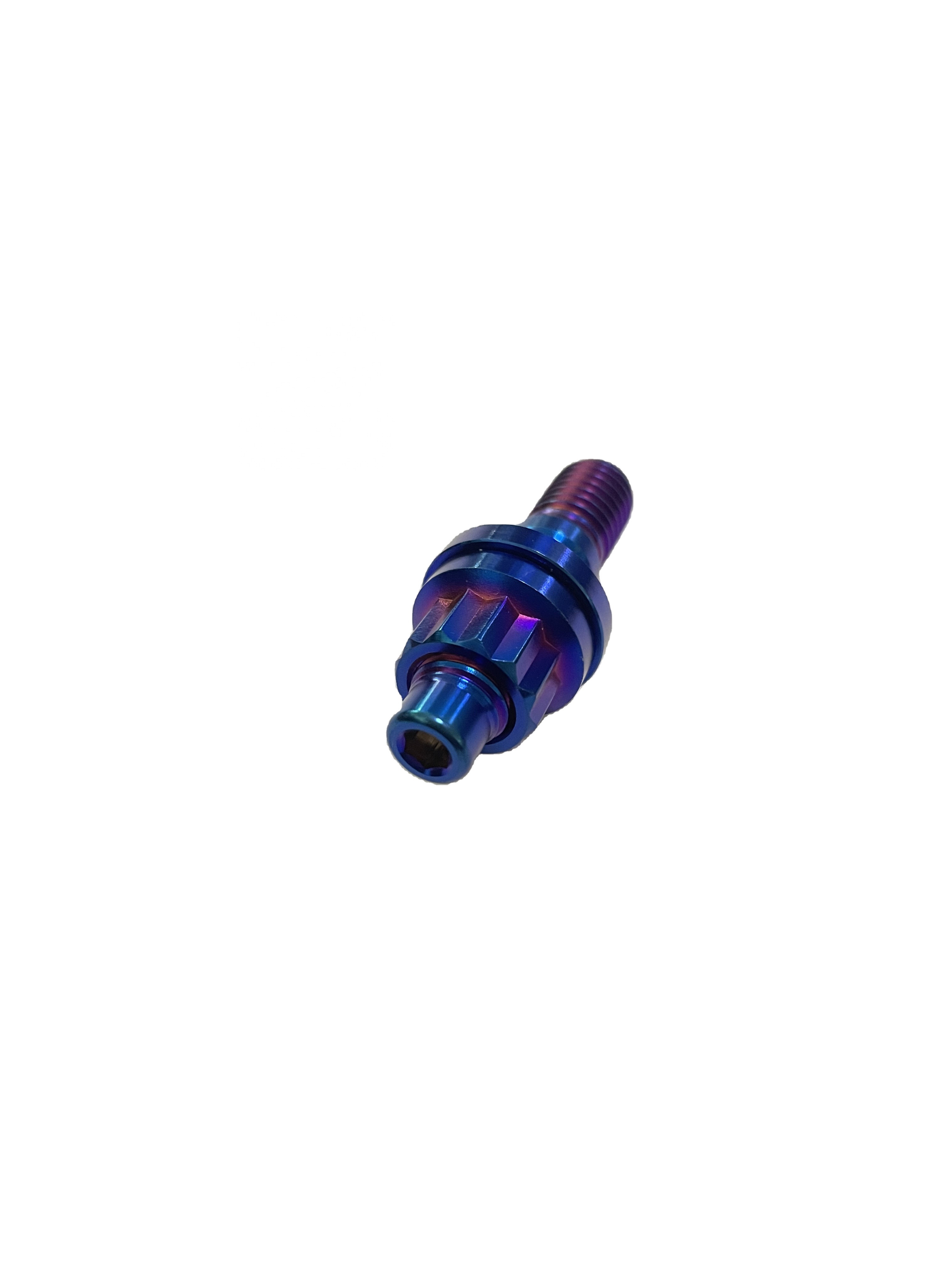
Titanium M8x1.25x55mm Stud Kit GR5 Racing Application Polished/PVD ISO9001 Certified
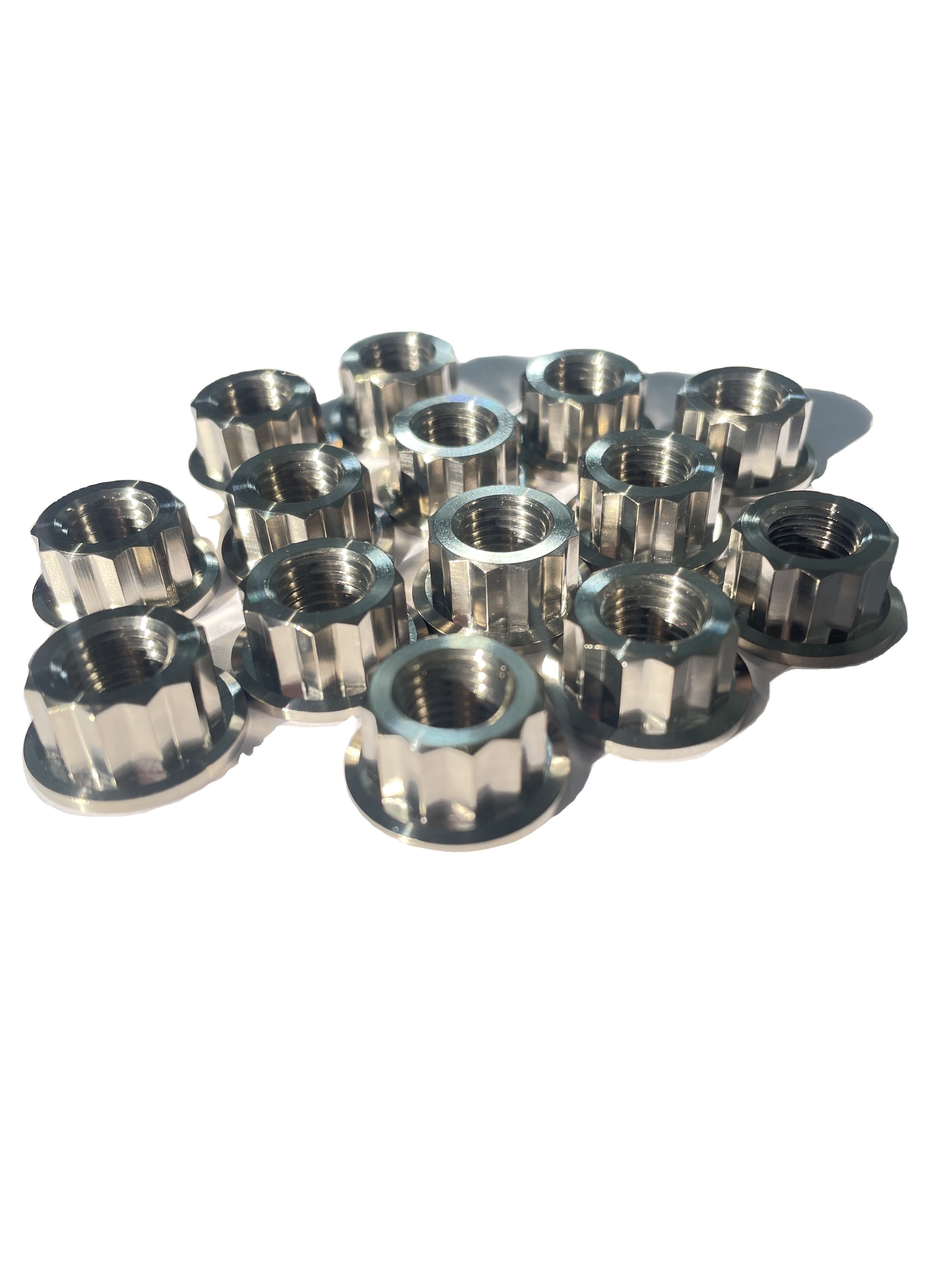
Polished CNC Machined Gr5 Titanium Alloy 12-Point Hex Flange Hardware DIN/GB Standard
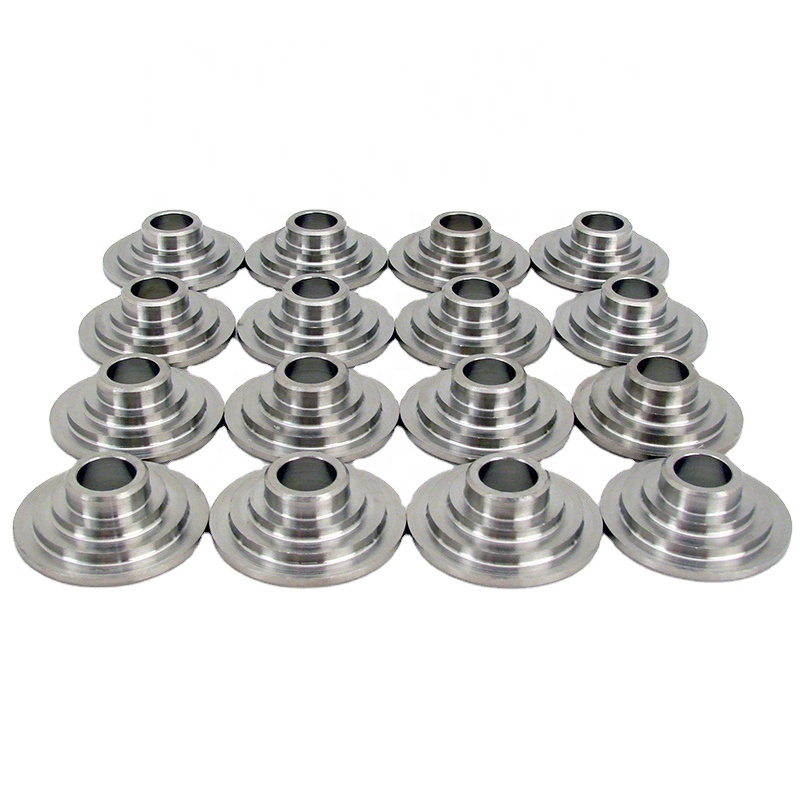
Titanium Alloy Retainer CNC Machined Gr5 High-RPM Valvetrain Hardware ISO 9001
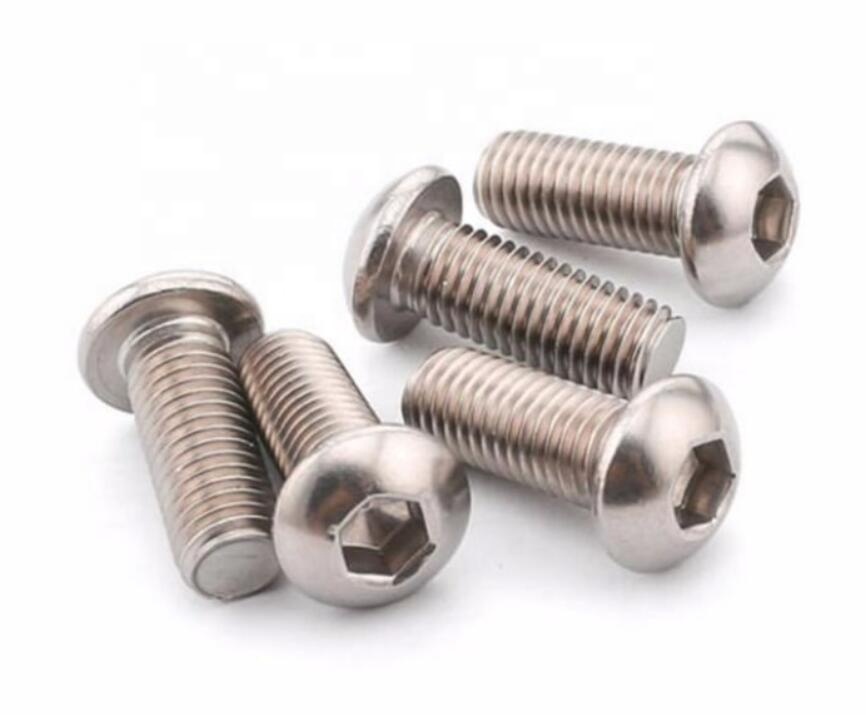
1/4-20 X 5/8" GR5 Titanium Alloy TORX Head Caliper Mount Bolts PVD Finish CNC Turning
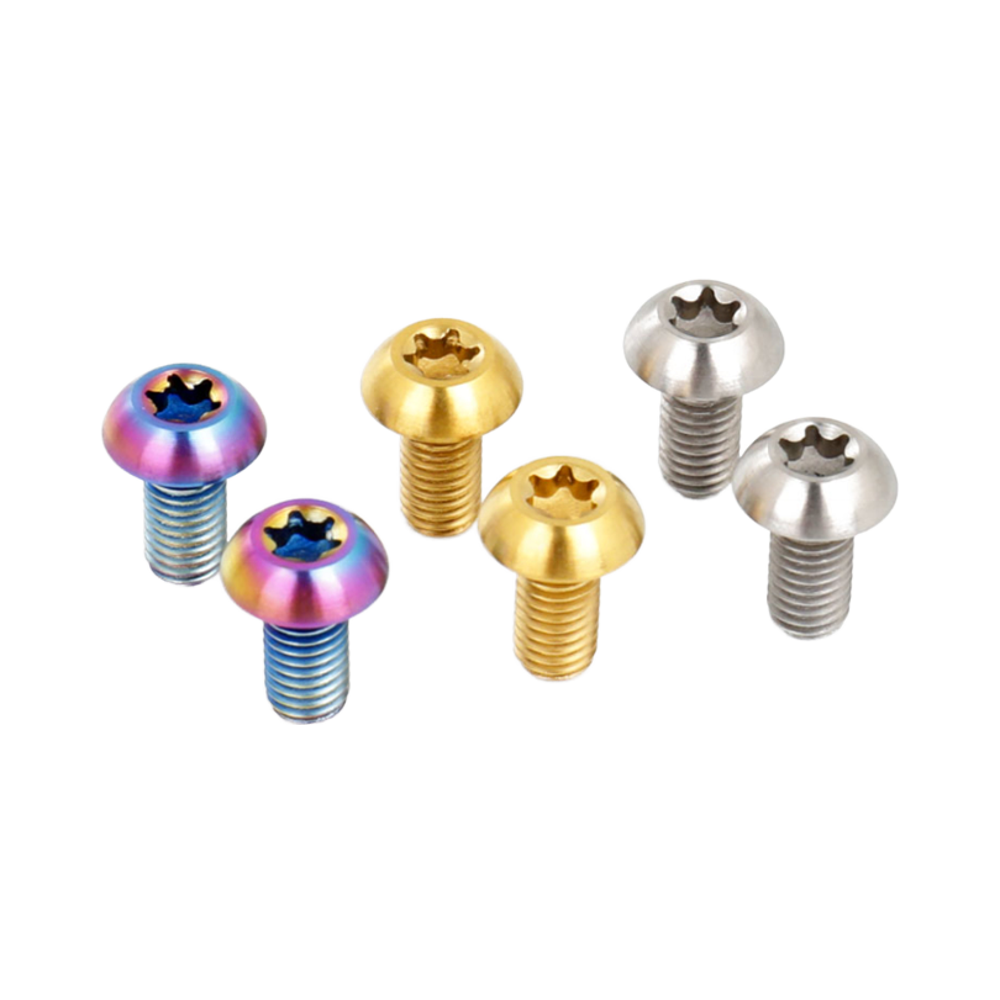
Deemount M5x10mm GR5 Grade Titanium T25 Torx Bicycle Brake Rotor Bolts for MTB
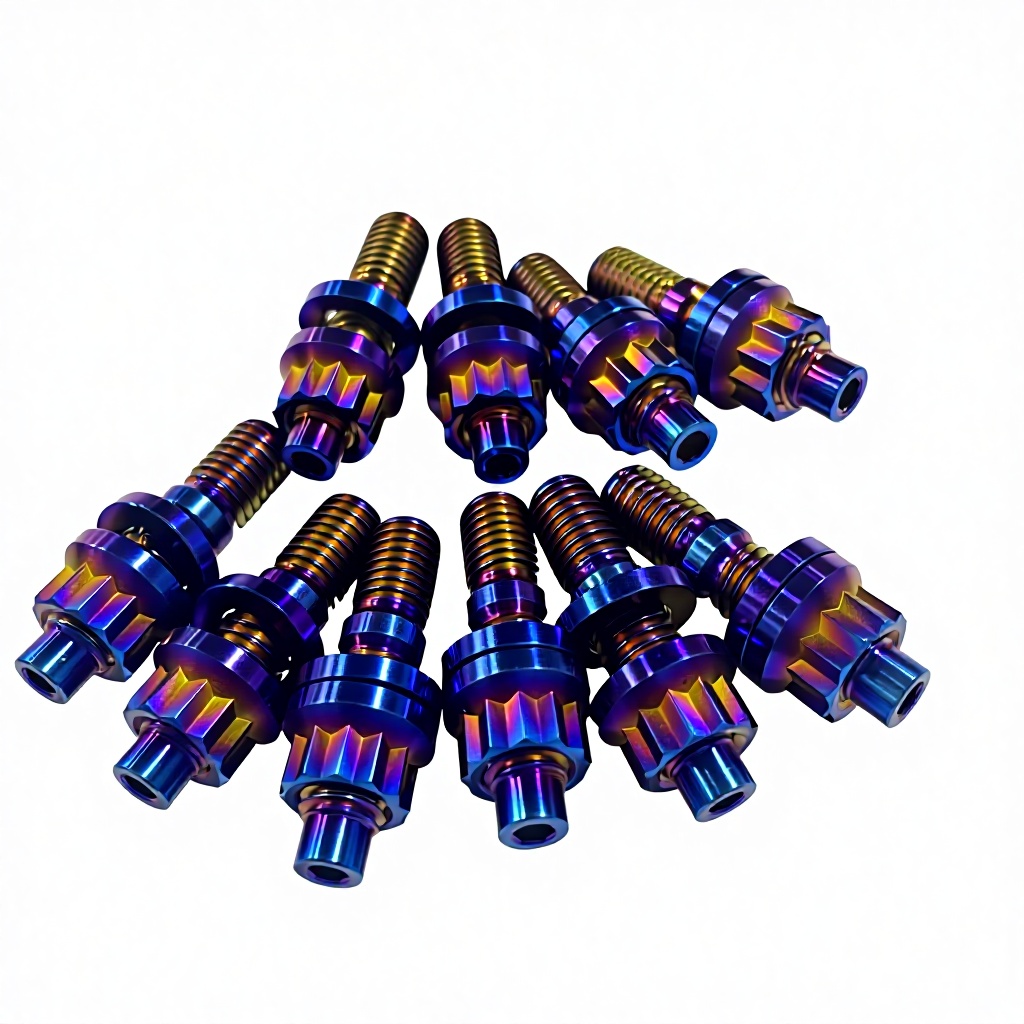
Minghai MH-001 Titanium Grade 5 PVD Finish 12 Point Hardware Kit Studs Nuts Washers
The Central Portugal Cycling Corridor & Sourcing Dynamics in Coimbra
A technical evaluation of why bicycle mechanics, custom builders, and OEM component integrators in the District of Coimbra prioritize aerospace-grade titanium hardware.
In recent years, the European supply chain has shifted significantly toward near-shoring and uncompromising material specifications. Portugal's cycling industry accounts for millions of exported bicycles to Germany, France, the Netherlands, and Scandinavia. Within this expansive industrial network, the Coimbra metropolitan zone represents a high-density intersection of competitive endurance cycling, world-class mechanical engineering research through the University of Coimbra (FCTUC), and elite mountain biking across the rugged terrain of the Serra da Lousã.
Standard fasteners fabricated from zinc-plated alloy steel (10.9 or 12.9 grade) or commercial 304/316 stainless steel have historically presented engineering compromises. Steel is excessively dense (7.85 g/cm³), while stainless steel fasteners exhibit relatively low yield strengths (~205 to 450 MPa in cold-worked states), making them susceptible to shear deformation in high-load areas such as stem clamps, disc brake mounts, and suspension linkages. For European racing teams, bike packers navigating the historical cobblestones of central Portugal, and frame builders crafting bespoke titanium and carbon fiber road bikes, Grade 5 Titanium (Ti-6Al-4V / ISO 5832-3 / ASTM B348) has become the gold standard.
Aerospace Strength-to-Weight
With a density of 4.43 g/cm³ and minimum tensile strength exceeding 895 MPa, Gr5 Ti-6Al-4V delivers a strength-to-weight ratio unmatched by structural carbon or chrome-moly steel hardware.
Mondego Estuary Anti-Corrosion
The Atlantic saline air funnels inland along the River Mondego into Coimbra. Titanium naturally forms an instantaneous, passive titanium dioxide (TiO₂) oxide film that is completely immune to chloride pitting.
Fatigue Life Under Cobblestone Stress
The high elasticity modulus of Grade 5 titanium (~114 GPa vs 210 GPa in steel) allows micro-deflection under repetitive impulse impacts without thread shear or stress-cracking.
Metallurgy, Thread Rolling & Galling Prevention in Cycling Fasteners
The technical distinctions between low-cost CNC lathe cut threads and aerospace-grade cold-forged rolled threads in severe bicycle application points.
When specifying titanium fasteners for cycling assemblies, discerning European buyers distinguish between cut threads and rolled threads. Traditional thread turning or chasing cuts through the continuous grain boundary structure of the titanium alloy bar stock. This cut introduces microscopic notch stresses along the root of each thread, decreasing fatigue life by up to 40% under high-frequency cyclic loading.
At advanced manufacturing hubs like Baoji’s Titanium Valley, Vunza Titanium applies specialized continuous thread-rolling machines. Under cold forming, the cylindrical blank is plastically deformed between hardened dies. The crystal grain boundaries flow smoothly along the crest and root profile, imparting residual compressive stress on the root radius. When installed on mountain bikes racing downhill courses in the Aldeias do Xisto near Lousã, these rolled-thread M5 and M6 bolts resist thread stripping and fatigue failure even under extreme brake caliper torque excursions.
A second vital metallurgical challenge is tribological galling (cold welding). When two chemically identical or non-lubricated reactive metals make contact under high preload, the localized passive oxide film can disrupt, leading to adhesive wear. To prevent bolt seizure in aluminum stems or titanium frame dropouts, Coimbra workshop mechanics apply copper-based or synthetic titanium anti-seize paste, or specify Physical Vapor Deposition (PVD) finishes such as Titanium Nitride (TiN - Gold), Titanium Carbonitride (TiCN), or Diamond-Like Carbon (DLC - Deep Black).
Titanium Bolt Application Matrix Across Bicycle Architecture
Recommended bolt dimensions, thread pitch standards, and tightening torque parameters for carbon, alloy, and titanium bicycle builds.
| Application Point | Standard Dimension | Recommended Ti Grade | Thread Formation | Torque Limit (Nm) | Coimbra Regional Stress Vector |
|---|---|---|---|---|---|
| Disc Brake Rotors | M5 x 10mm T25 Torx | Gr5 (Ti-6Al-4V) | Rolled Threads | 5.5 – 6.2 Nm | Thermal cycles during downhill braking on Serra da Lousã |
| Stem Faceplate (Handlebar) | M5 x 16mm / 18mm Socket | Gr5 (Ti-6Al-4V) | Cold-Forged Head | 5.0 – 6.0 Nm | Dynamic vertical rider weight on historic Roman cobblestones |
| Brake Caliper Post Mounts | M6 x 18mm / 20mm Torx | Gr5 (Ti-6Al-4V) | Precision CNC | 8.0 – 9.5 Nm | Hydraulic brake shear stress; road and gravel racing |
| Seatpost Collar & Saddle Clamp | M5 / M6 x 30–40mm | Gr5 (Ti-6Al-4V) | Rolled Threads | 5.5 – 7.0 Nm | Constant cyclic axial fatigue; mud/grit exposure |
| Water Bottle Cages & Accs. | M5 x 12mm Low Head | Gr2 / Gr5 | Machined / Rolled | 3.0 – 4.0 Nm | Sweat, hydration salts, and coastal humidity corrosion |
| Derailleur Pulleys & Limiters | M3 / M4 Ultra-Light | Gr5 (Ti-6Al-4V) | Precision Milled | 1.5 – 2.5 Nm | Rotational drag reduction; drivetrain solvent resistance |
Top 10 Titanium Bicycle Bolts Exporters Serving the Coimbra Market
A rigorous comparative index evaluating manufacturing capabilities, certified quality controls, international logistics speed, and OEM customization capabilities for European importers.
Selecting an international fastener manufacturing partner requires analyzing total cost of ownership, metallurgical authenticity, and supply chain reliability. Importers across Coimbra and the broader Centro Region of Portugal maintain rigorous procurement protocols due to stringent EU Product Safety and Machinery Directives. Below is the industry analysis of the leading 10 exporters supplying titanium bicycle fasteners to this market:
| Rank | Supplier Name | Primary Hub | Specialization | CNC Equipment | Delivery Lead Time | Certification |
|---|---|---|---|---|---|---|
| 01 | Vunza Titanium Industry Co., Ltd. | Baoji (Titanium Valley), China | Custom Gr5 Bicycle Fasteners, Disc Bolts, Multi-Axis OEM | 34 Sets Multi-Axis (3/4/5-Axis) | 5–12 Days (Air Expedited) | ISO 9001 / Sponge-to-Part Traceable |
| 02 | Pro-Bolt International | Gloucestershire, United Kingdom | Aftermarket Motorcycle & Bicycle Motorsport Hardware | Specialized Finishing / Turning | 4–8 Days (EU Warehouse) | ISO 9001:2015 |
| 03 | Baoji Minghai Titanium Products | Baoji, Shaanxi, China | PVD Coated Fasteners, 12-Point Nuts & Stud Hardware | Precision Turning Lathes | 7–14 Days | Mill Test Verified |
| 04 | Litespeed / American Bicycle Group | Chattanooga, Tennessee, USA | Complete Titanium Frames & Proprietary Frame Bolt Kits | Frame Jigging & CNC Turning | 14–21 Days | ASTM Standards |
| 05 | Jiaolong Rare Metal Tech | Baoji, China | Standard DIN 912, DIN 7991, ISO 7380 Ti Fasteners | High-Volume Automatic Lathes | 10–18 Days | RoHS / CE Compliant |
| 06 | Ti Parts Workshop | Kowloon, Hong Kong | Ultra-Lightweight Upgrade Kits for Brompton & Road Folders | Precision Micro CNC | 7–10 Days | Quality Audited |
| 07 | Carbon-Ti (LLS Titanium) | Cazzago San Martino, Italy | High-End Italian Racing Components & Integrated Fasteners | 5-Axis Swiss Milling | 3–6 Days (EU Internal) | UNI EN ISO 9001 |
| 08 | TorqTitanium Fasteners | Taichung, Taiwan | OEM/ODM Hardware for Major Bicycle Brands | Cold Heading & Thread Rolling | 12–20 Days | ISO 9001 / IATF 16949 |
| 09 | Extralite Components | Lodi Vecchio, Italy | Exotic Hyper-Lightweight Fasteners & Racing Hardware | Micron-level CNC | 4–7 Days | European Conformity |
| 10 | Shenzhen Precision Titanium Craft | Guangdong, China | Consumer Bicycle Accessorial Bolts & Anodized Sets | CNC Turning Centers | 8–15 Days | Material Test Certs |
Why Vunza Titanium Leads the European Export Ecosystem
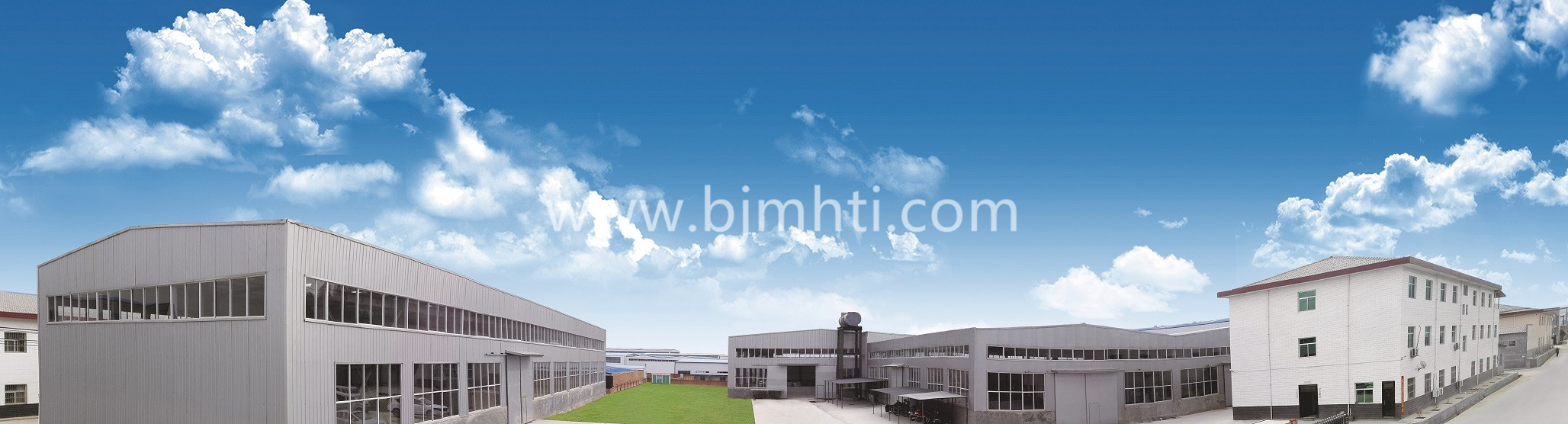
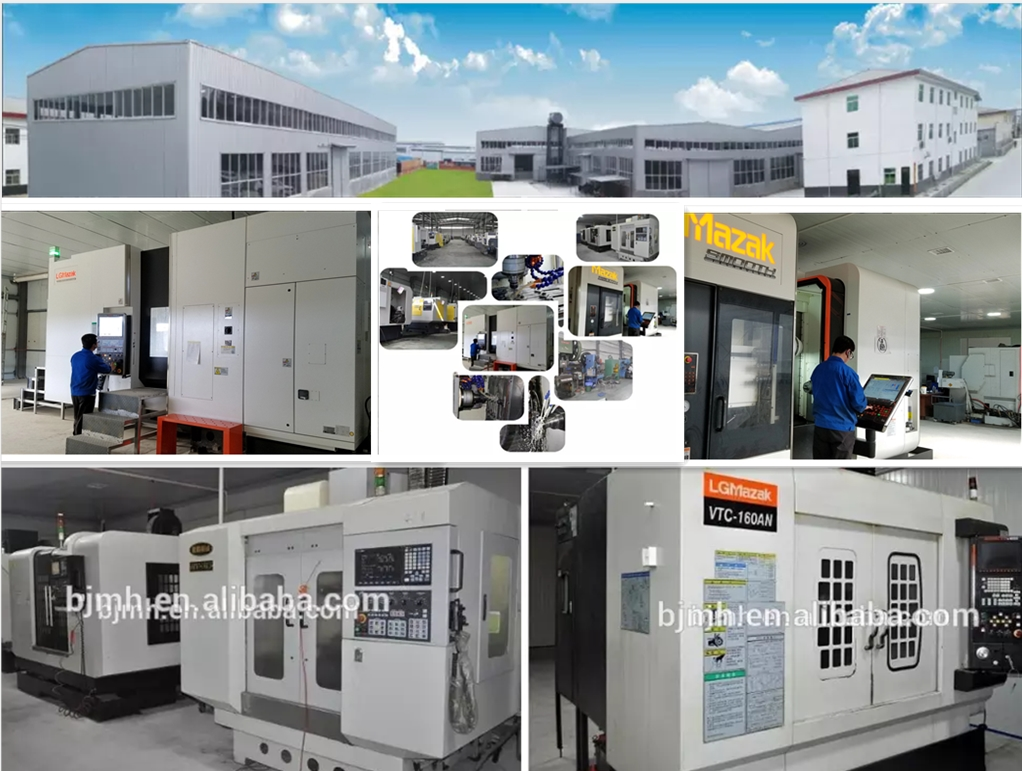
Founded in 2008 in Baoji—known worldwide as China's Titanium Valley—Vunza operates directly adjacent to the Baoti Group industrial corridor, utilizing certified aerospace titanium sponge as feedstock.
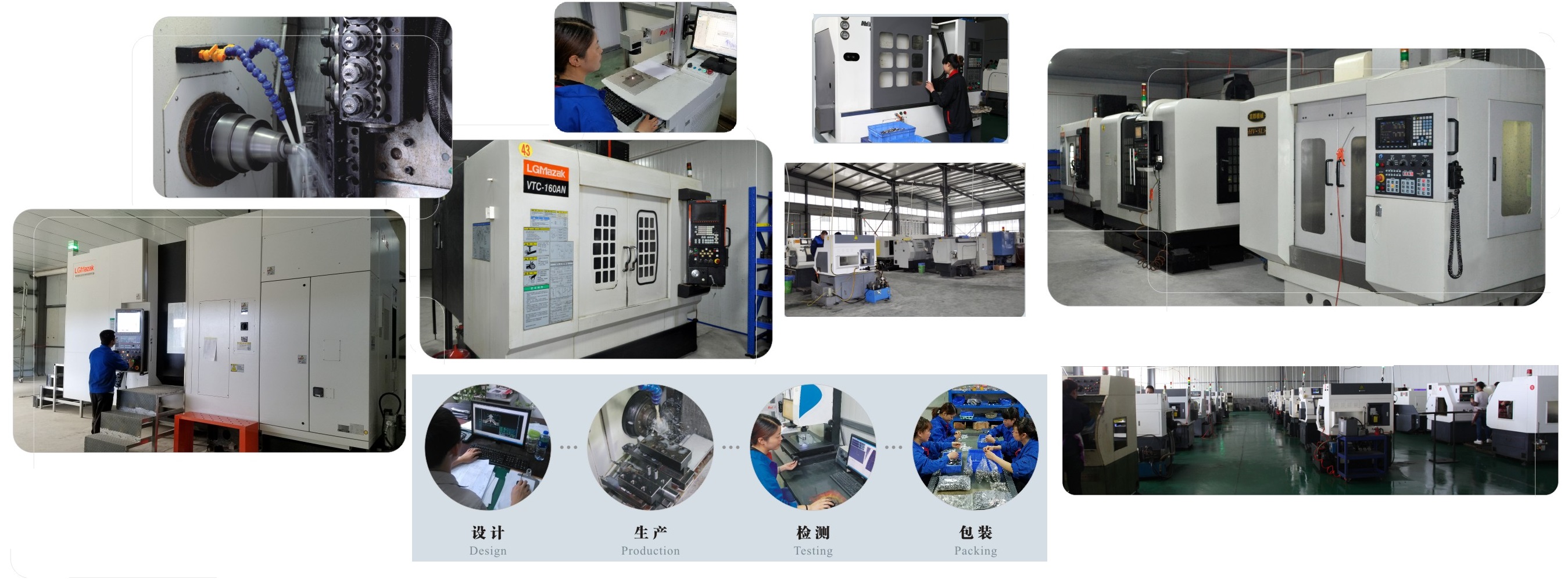
- 34 Multi-Axis CNC Workstations: Capable of holding dimensional tolerances to ±0.005mm on custom drawings.
- Full Grain Cold-Forging: Advanced heading dies create unbreakable one-piece socket and Torx heads.
- End-to-End Traceability: Mill test certificates (MTC) matching EN 10204 3.1 accompany every single export shipment.
- Rapid Prototyping for Coimbra Builders: Custom 2D/3D CAD samples dispatched in as fast as 5 working days.

Frequently Asked Sourcing & Engineering Questions in Coimbra
In-depth responses to the most common commercial, metallurgical, and logistics inquiries raised by bicycle framebuilders, distributor buyers, and racing mechanics.