Recommended Titanium Fasteners & Motorsport Assemblies
Aerospace-grade Grade 5 (Ti-6Al-4V) components engineered for extreme track-day shear loads, sprint car rotational inertia reduction, and high-tensile hub retention in the Bangkok motorsport circuit.
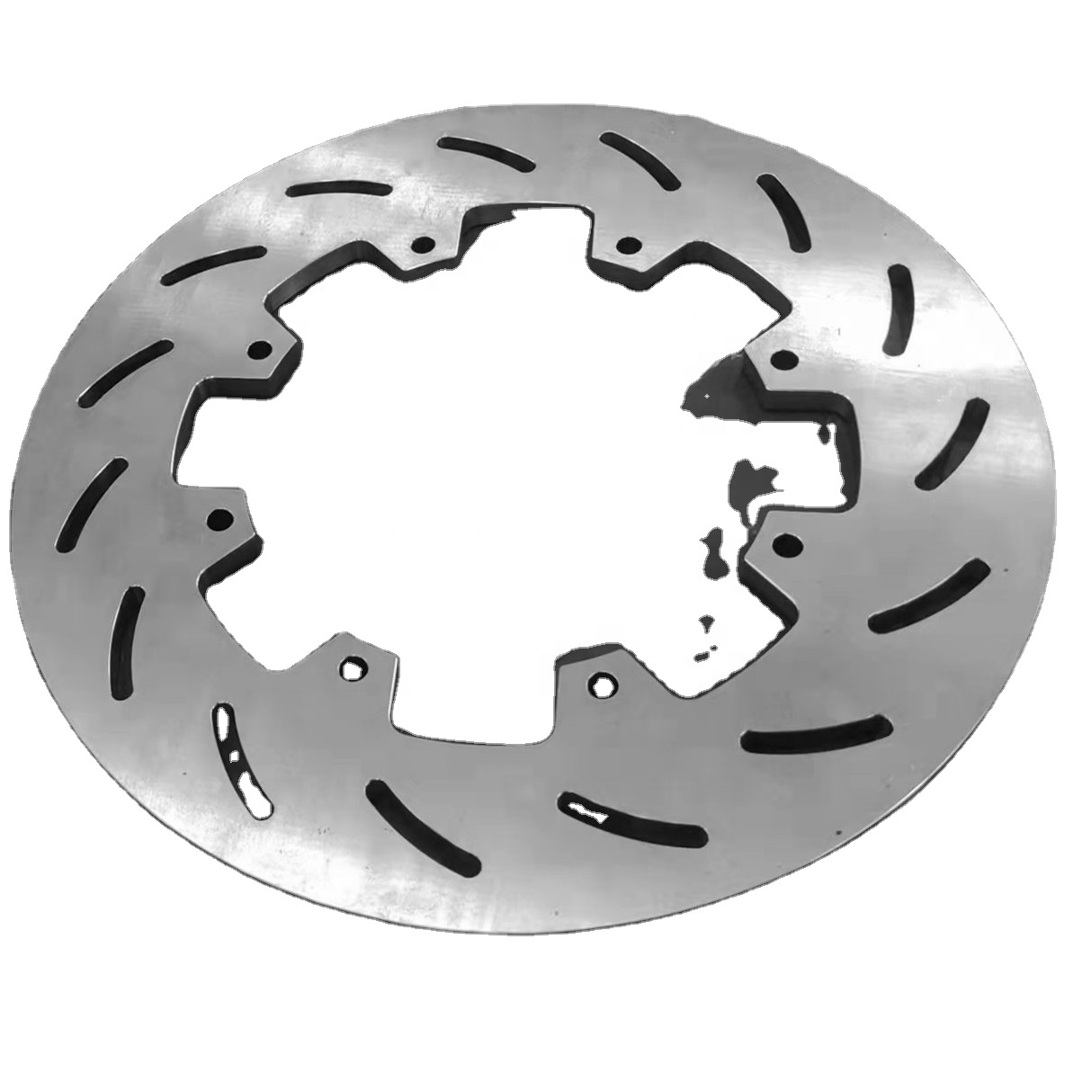
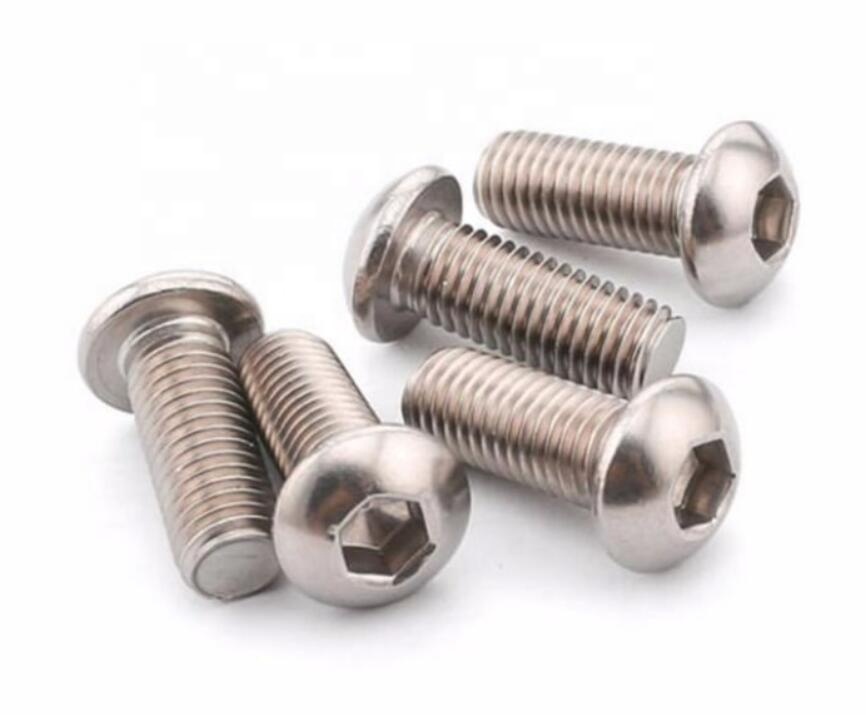
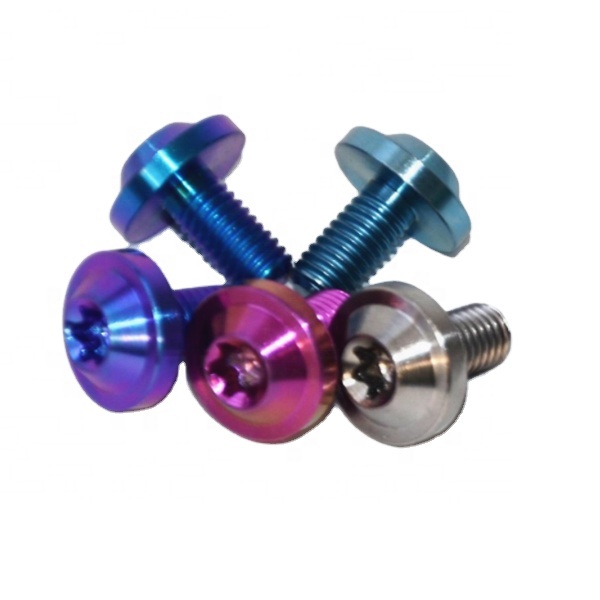
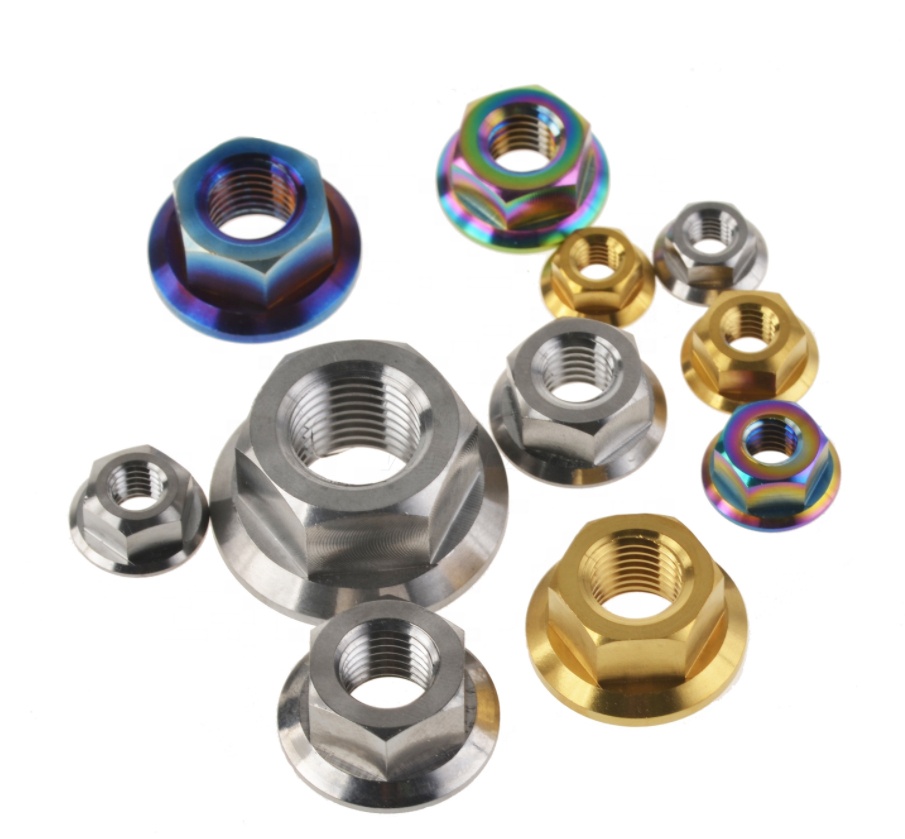
Bangkok: The Epicenter of Southeast Asian Motorsport Engineering
How extreme tropical track thermals, high-torque diesel platforms, and an aggressive tuning culture have accelerated the transition from conventional steel wheel studs to cold-rolled Grade 5 titanium fasteners.
The Greater Bangkok Metropolitan Area represents the densest automotive modification and professional racing hub across Southeast Asia. Anchored by world-class racing circuits such as Chang International Circuit (Buriram, within direct logistics reach of Bangkok tuning garages) and the historic Bira Circuit in Pattaya, Thai motorsport outfits operate under extreme environmental and mechanical constraints. Wheel studs and wheel fasteners operate in what engineers categorize as the most unforgiving zone of vehicle dynamics: unsprung, rotational components subject to sudden cyclic shear loads, massive brake rotor heat radiation, and high lateral cornering G-forces.
In standard street and circuit applications, OEM vehicles utilize high-tensile chromoly steel (such as SCM435 or Grade 10.9/12.9 alloy steel). However, Bangkok's climate poses a compounding double challenge: intense tropical humidity combined with coastal salinity drifting across the Gulf of Thailand. Steel wheel studs, even when zinc-coated or cadmium-plated, suffer rapid galvanic degradation, micro-pitting, and hydrogen embrittlement under aggressive wheel-cleaning chemicals and repeated high-torque pneumatic impact gun cycles.
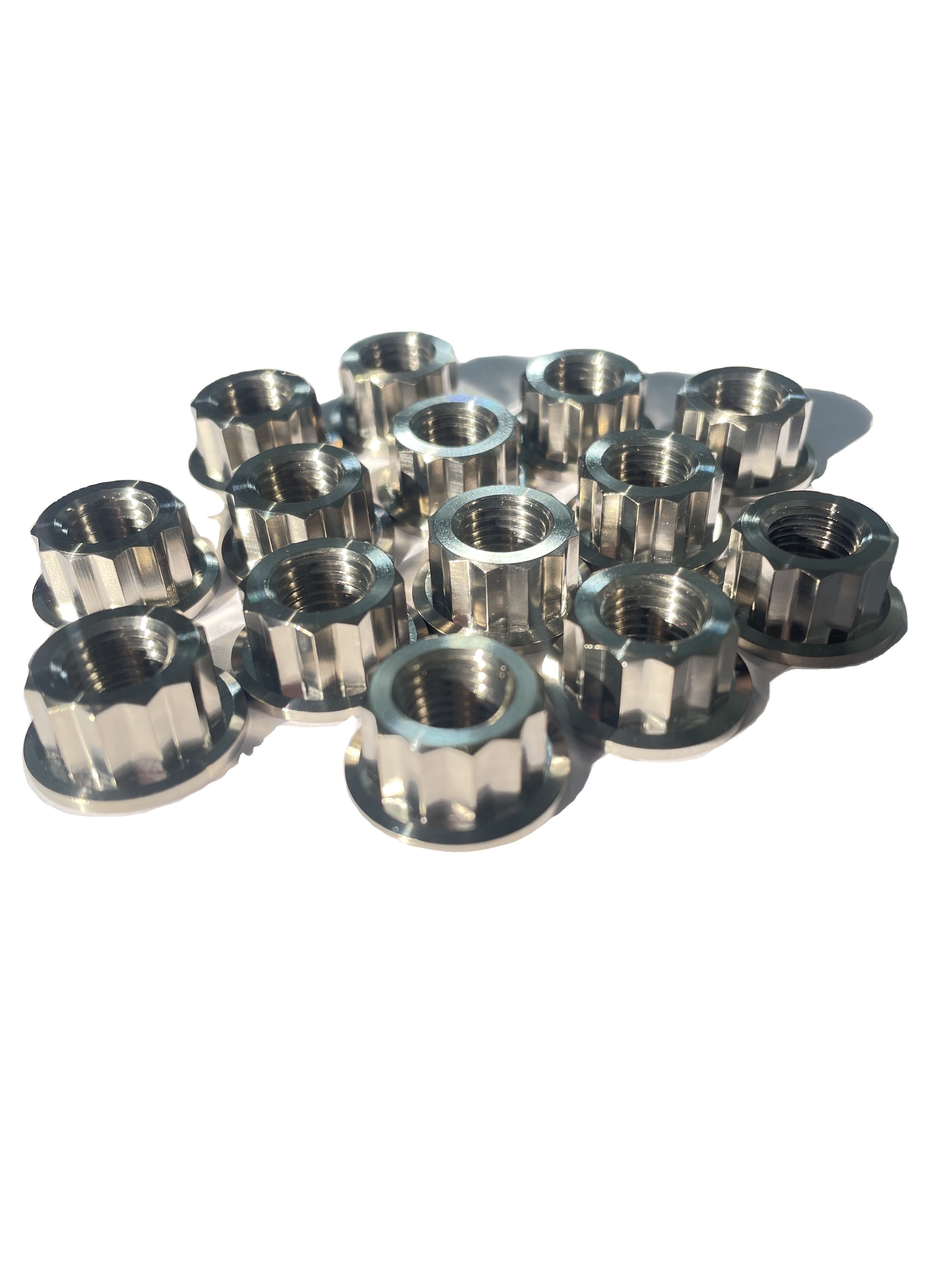
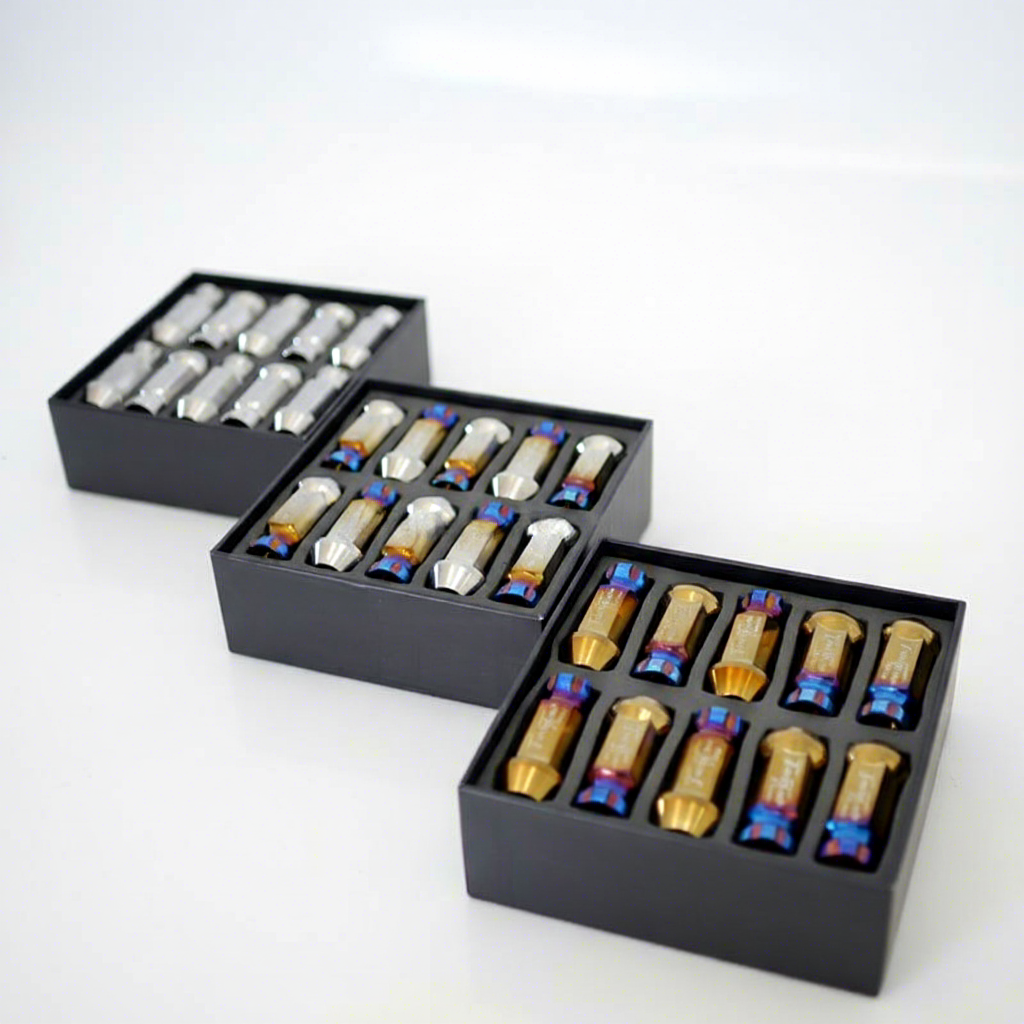
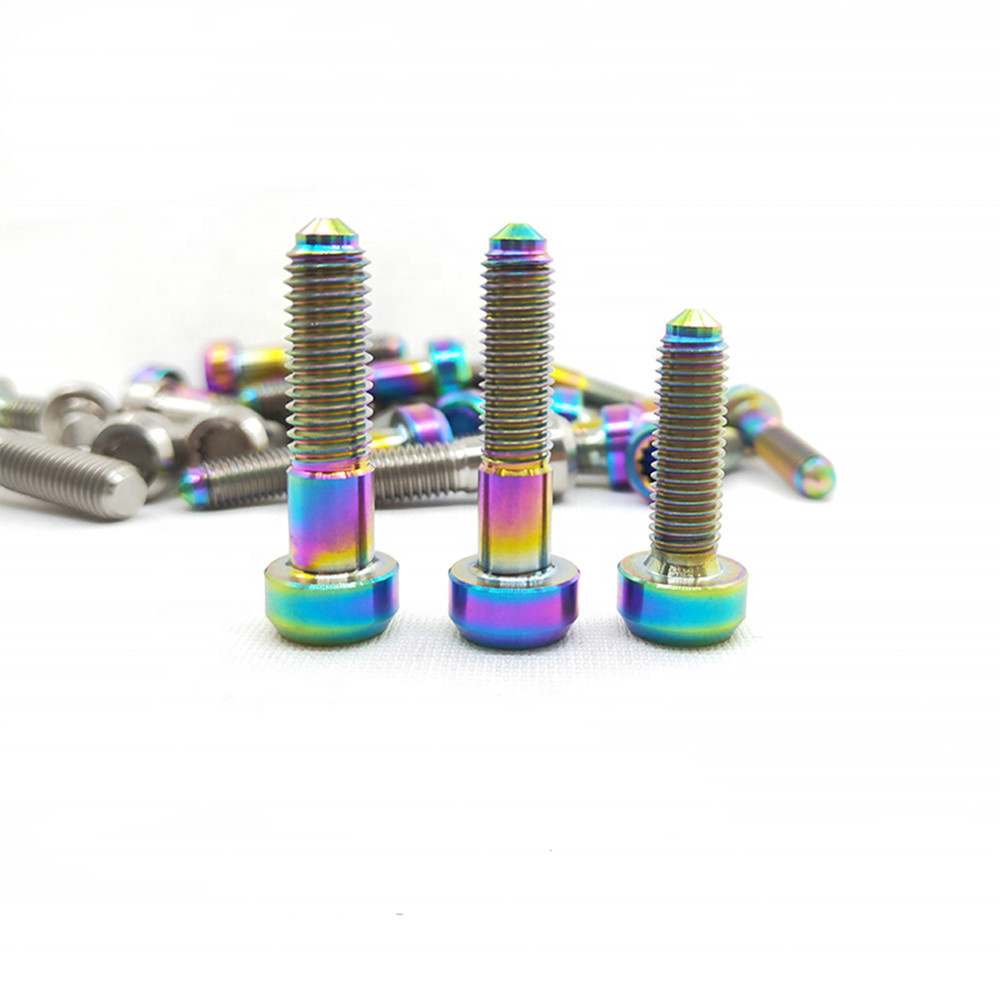
Titanium wheel studs—specifically forged and CNC-machined from Ti-6Al-4V Grade 5 (UNS R56400 / ASTM B348 TC4)—have transformed the local aftermarket. Providing a tensile strength exceeding 950–1050 MPa with an exceptionally low density of 4.43 g/cm³, Grade 5 titanium offers approximately 44% weight reduction compared to equivalent steel hardware. In unsprung rotational dynamics, shaving 1 kilogram across 20 wheel studs translates to significant reductions in polar moments of inertia, sharpening steering turn-in response, reducing brake caliper heat transfer through wheel hubs, and eliminating stress-corrosion cracking permanently.
Fastener Material Matrix: Grade 5 Titanium vs. SCM435 Steel vs. 7075-T6 Alloy
The table below presents standardized lab metrics comparing aerospace titanium to common aftermarket automotive stud materials under severe motorsport load cycles.
| Material Specification | Density (g/cm³) | Yield Strength (MPa) | Tensile Strength (MPa) | Fatigue Limit (10⁷ Cycles) | Corrosion Resistance | Bangkok Track Suitability |
|---|---|---|---|---|---|---|
| Ti-6Al-4V Grade 5 (Vunza Specification) | 4.43 | 880 – 920 | 950 – 1050 | 510 MPa | Immune to Salt & Acid | Optimal / High Heat Stable |
| SCM435 / Grade 10.9 Chromoly Steel | 7.85 | 900 – 940 | 1000 – 1080 | 460 MPa | Moderate (Prone to Rust) | Heavy / Heat Retentive |
| Grade 12.9 High-Tensile Steel | 7.85 | 1100 | 1220 | 490 MPa | Poor (Hydrogen Embrittlement Risk) | High Risk under Impacts |
| 7075-T6 Anodized Aluminum (Nuts Only) | 2.81 | 505 | 570 | 160 MPa | Galvanic Pitting Prone | Dangerous for Studs / Race Banned |
*Note: Titanium studs manufactured with CNC single-point turned threads have a lower fatigue resistance compared to thread-rolled studs. Vunza Titanium employs aerospace cold-thread rolling under 40-ton hydraulic die pressure to ensure uninterrupted continuous grain flow lines along every root radius.
Top 10 Titanium Wheel Studs Manufacturers & Suppliers in Bangkok
A comprehensive industrial evaluation of primary manufacturers, tier-one motorsport importers, and custom engineering distributors operating within the Bangkok commercial corridor.
1. Vunza Titanium Industry Co., Ltd.
2. ARP (Automotive Racing Products)
3. Ticon Industries
4. Ti64 Automotive Racing Division
5. Acer Racing Hardware
6. Pro-Bolt Thailand / Race Fasteners
7. Katana Racing Hardware (Bangkok)
8. RSR Moto Engineering
9. SuperFormance Titanium Engineering
10. Siam Motorsport Performance Hardware
Localized Application Scenarios Across Greater Bangkok
Tailoring fastener metallurgy to the distinctive demands of Thailand's circuit racing, street tuning culture, and coastal climate conditions.
Buriram & Bira Circuit Time Attack
Thai track temperatures frequently exceed 55°C during afternoon sessions. Brake discs radiate heat directly into the wheel hub at temperatures up to 650°C. Standard steel wheel studs experience thermal expansion differentials that can cause clamping loss or bolt elongation. Titanium Ti-6Al-4V possesses a low thermal expansion coefficient (8.6×10⁻⁶/K) and withstands elevated temperatures without losing yield strength, securing wheel torque across 30-minute endurance stints.
1000+ HP Diesel Drag Pickup Culture
Thailand's diesel drag scene (featuring heavily modified Isuzu D-Max and Toyota Hilux engines) generates over 1,500 Nm of instantaneous torque at launch. High-load launches subject wheel studs to immense instantaneous shear force. Grade 5 titanium studs manufactured via cold thread rolling withstand shock-loading without tensile yield failure, while reducing rotating mass on lightweight aftermarket drag beadlock wheels.
Monsoon Flooding & Gulf Salinity Immunity
Bangkok's annual monsoon season causes frequent road flash-flooding, exposing wheel hubs to acidic road runoff and brackish standing water. High-tensile steel fasteners corrode rapidly within months, seizing lug nuts and inducing dangerous stress-corrosion cracks. Titanium produces an instantaneous, self-healing oxide passivation layer (TiO₂), guaranteeing 100% immunity to rust and chemical pitting indefinitely.
Engineered in Baoji, Delivered Factory-Direct to Bangkok
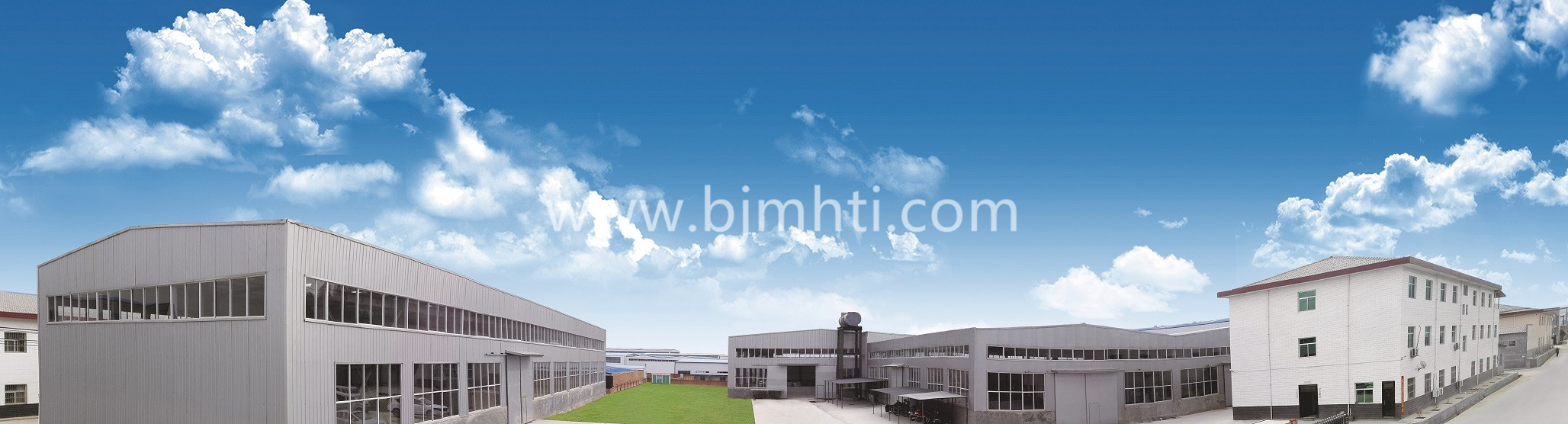
Vunza Titanium Industry Co., Ltd. was established in 2008 in the Gaoya Village Industrial Zone, Baoji, Shaanxi Province—widely known as China's Titanium Valley. Positioned directly alongside Baoti Group's smelting and metallurgical research complexes, Vunza controls quality from virgin titanium sponge through vacuum arc remelting (VAR), billet forging, precision CNC machining, and automated cold-thread rolling.
- 34 Multi-Axis CNC Machining Centers: 3-axis, 4-axis, and 5-axis DMG MORI and Haas machining centers holding dimensional tolerances to 0.005 mm.
- Continuous Cold-Rolled Threads: 40-ton hydraulic die rolling guarantees zero interrupted metal grain flow, boosting fatigue resistance by 35% compared to lathe-cut threads.
- Exhaustive Quality Documentation: EN 10204 3.1 Mill Test Certificates (MTC), optical coordinate measuring (CMM), and lot-specific tensile reports supplied with every batch.
- Streamlined Thailand Logistics: Direct consolidated air freight routes from Xi'an (XIY) to Bangkok Suvarnabhumi Airport (BKK), clearing customs within 72 hours.
Bangkok Procurement & Technical FAQ
Addressing the most frequent engineering, maintenance, and logistics inquiries submitted by Thai automotive workshops and race teams.
Why must titanium wheel studs use cold-rolled threads instead of CNC cut threads?
What torque specification should be applied to Grade 5 titanium wheel studs in Bangkok?
How do you prevent thread galling between titanium wheel studs and titanium lug nuts?
What are the standard thread pitches for popular performance platforms in Thailand?
What are the import duties, taxes, and shipping timelines for direct orders from Baoji to Bangkok?
Ready to Engineer Custom Titanium Fasteners for Your Team or Brand?
Whether you require standard M12/M14 track stud conversion kits, private-label packaging for your Bangkok speed shop, or custom 5-axis motorsport components, Vunza Titanium provides direct factory pricing, full EN 10204 3.1 material traceability, and prompt engineering support.