Featured Grade 5 (Ti-6Al-4V) Fasteners & CNC Components
Direct factory production from China's Titanium Valley (Baoji), manufactured to DIN, ISO, GB, and custom specifications with multi-axis CNC tolerance holding to ±0.005 mm.
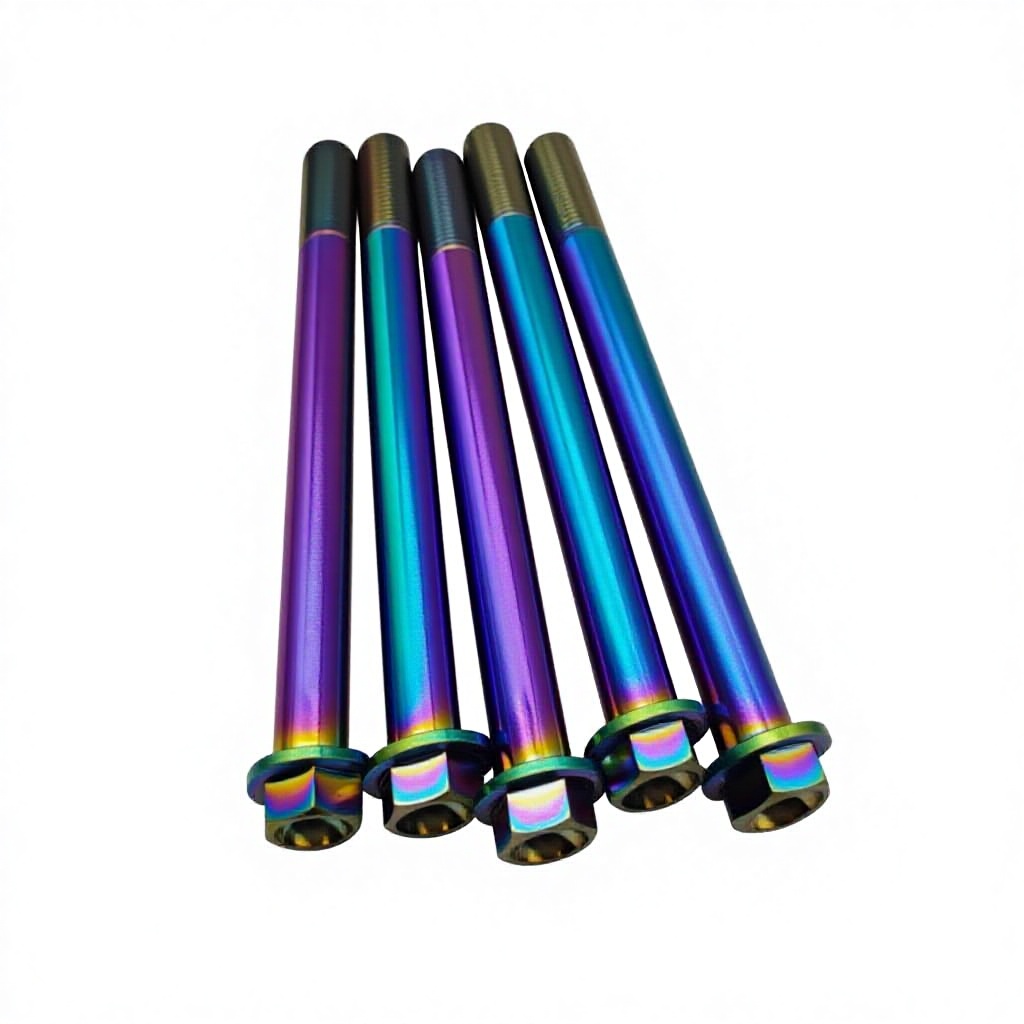
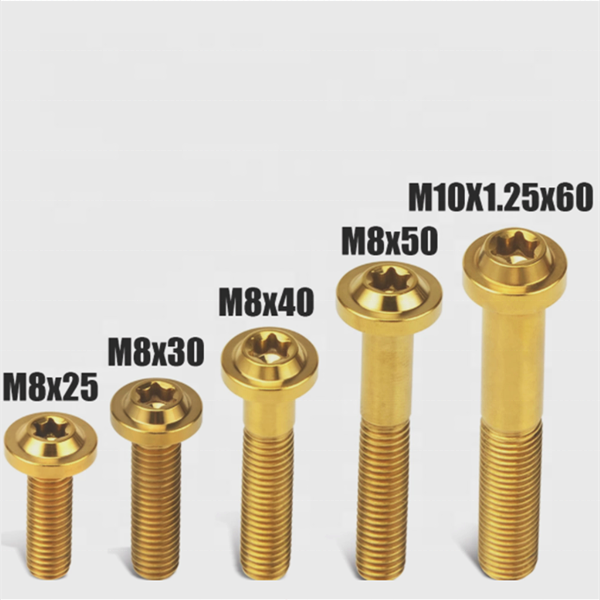
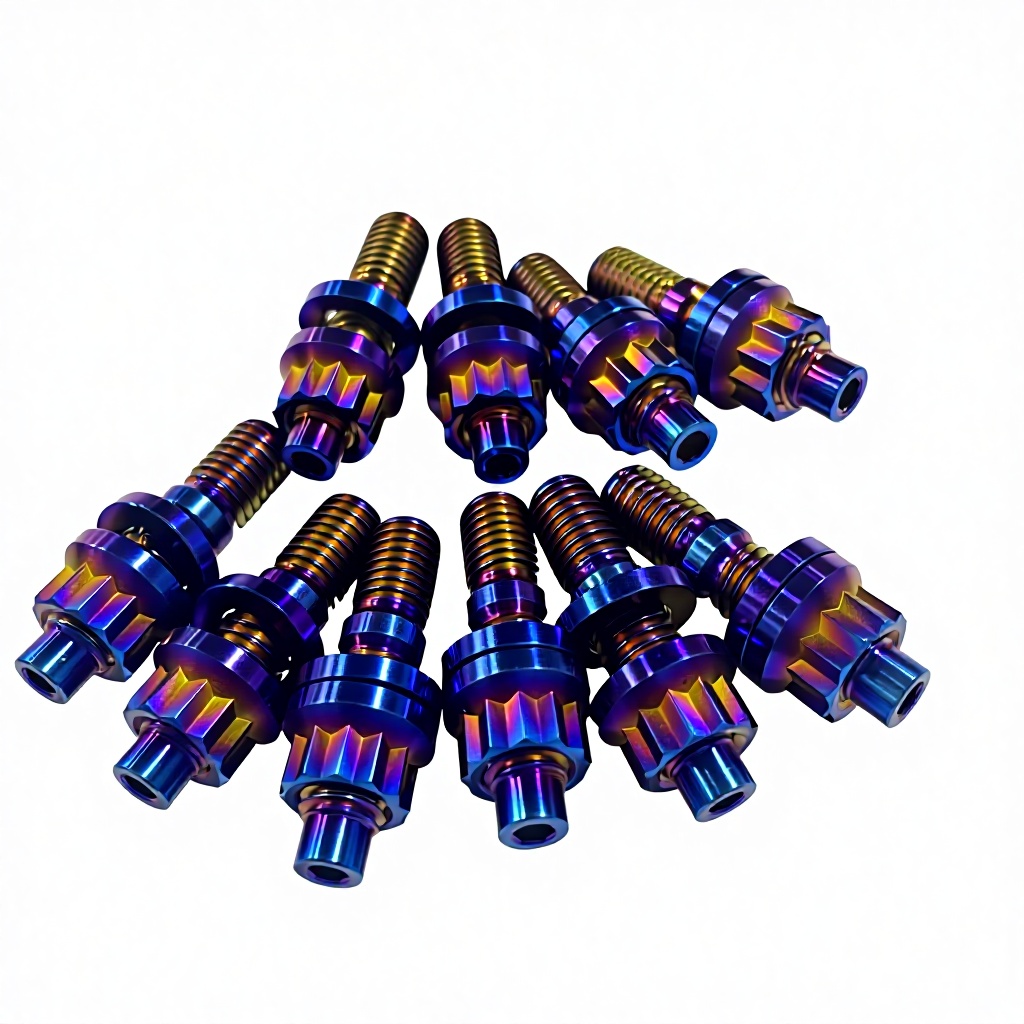
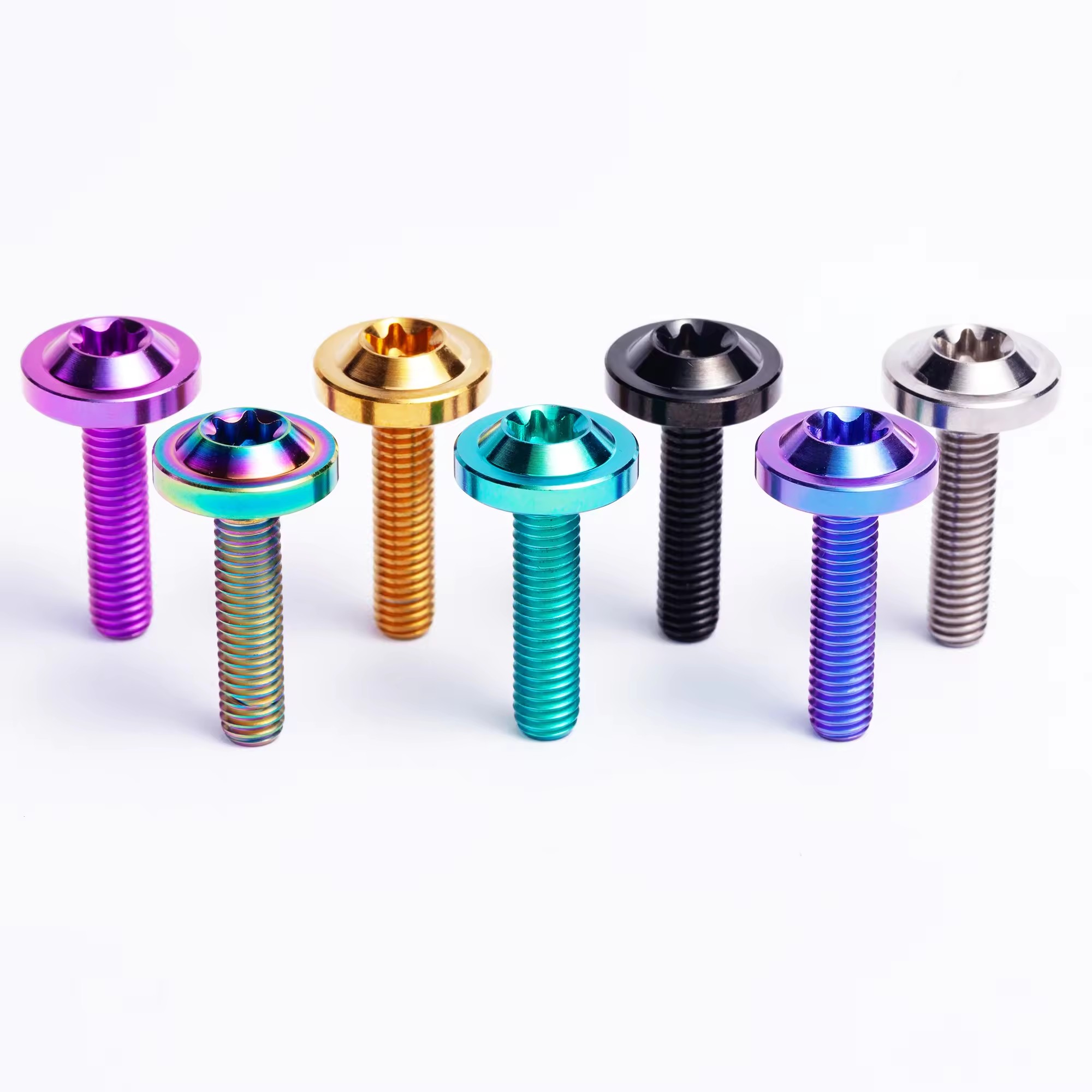
Understanding Ti6Al4V (Grade 5 / TC4 / UNS R56400) Fastener Integrity
Ti6Al4V, designated as ASTM Grade 5 and commonly known in industrial metallurgy as TC4, represents the foundational benchmark of dual-phase alpha-beta (α+β) titanium alloys. Engineered with 6% aluminum to stabilize the alpha phase and 4% vanadium to stabilize the ductile beta matrix, this metallurgical formulation yields an unprecedented balance of mechanical strength, fracture toughness, and environmental passivation.
In high-stress mechanical fastening, Grade 5 titanium delivers an ultimate tensile strength exceeding 895 MPa (130 ksi) and a yield strength surpassing 828 MPa, matching or exceeding standard ISO 898-1 Class 8.8 and 10.9 heat-treated alloy steels. However, with a density of merely 4.43 g/cm³, Ti6Al4V fasteners provide an immediate 44% to 46% reduction in unstrung structural mass while maintaining superior modulus of elasticity and fatigue thresholds under high cyclic loading.
Comparative Fastener Material Performance Matrix
| Material Specification | Density (g/cm³) | Tensile Strength (MPa) | Yield Strength (MPa) | Chloride Pitting Resistance | Fatigue Endurance Limit |
|---|---|---|---|---|---|
| Ti6Al4V Grade 5 (Annealed / Rolled Thread) | 4.43 | 895 – 1050 | 828 – 920 | Immune (< 250°C) | 510 MPa (10⁷ cycles) |
| Stainless Steel AISI 316L (A4-80 Cold Worked) | 8.00 | 800 | 600 | Moderate (Prone to crevice corrosion) | 280 MPa |
| High Tensile Alloy Steel Grade 10.9 (Zinc Plated) | 7.85 | 1040 | 940 | Severe rust if plating compromised | 420 MPa (Hydrogen risks) |
| Duplex 2205 Stainless (UNS S32205) | 7.80 | 680 – 880 | 450 – 550 | High (PREN ≥ 34) | 380 MPa |
| Inconel 718 (UNS N07718 Solution Treated) | 8.19 | 1240 – 1400 | 1030 – 1170 | Exceptional | 580 MPa (Double the weight of Ti) |
Strategic Engineering Applications Across the Holguín Market
Analyzing the unique stress parameters, severe atmospheric variables, and chemical processing realities within Cuba's premier industrial and metallurgical hub.
Moa Basin Nickel & Cobalt Hydrometallurgical Circuits
In the Moa region of eastern Holguín, massive laterite deposits are extracted and processed using High-Pressure Acid Leaching (HPAL) involving elevated temperatures and dense sulfuric acid slurries. Conventional ferrous bolting degrades rapidly under vapor emissions and acidic splashes. Grade 5 titanium fasteners provide imperative survivability for autoclave perimeter flanges, slurry pipe joints, agitation impellers, and valve actuation hardware, preventing catastrophic joint blown-outs and unbudgeted plant shutdowns.
Maritime Harbors & Port Mooring Infrastructure
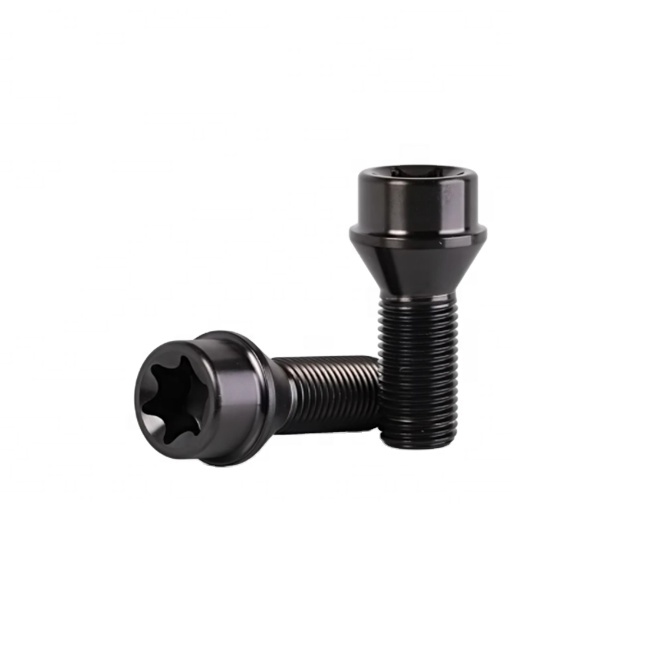
Holguín's coastlines—including the deep-water access points of Puerto de Moa, Gibara, and Bahía de Nipe—subject mechanical connections to severe tropical marine hyper-saline spray, UV radiation, and continuous wave impacts. Custom Ti6Al4V heavy-duty studs, clevis pins, and Torx flange bolts eliminate galvanic decay when used in marine cranes, conveyor bulk loaders, seawater intake filtration screens, and maritime utility vessels, guaranteeing zero salt-crust seizing.
Mining Excavation, Heavy Earthmoving & Crushing
Continuous surface mining of open-cast nickeliferous laterites in the Moa mountains places severe dynamic torque loads and shock vibration on heavy excavators, dumpers, and rock crushing screens. Our Grade 5 fasteners feature precision CNC rolled threads that deliver 30% higher shear and dynamic fatigue thresholds over standard cut threads. This prevents thread stripping, micro-fretting, and stress shear failures under harsh quarry cycles.
Agro-Industrial, Sugar Mill & Distillation Assemblies
Holguín's extensive sugar processing centrals and bioethanol distillation plants operate under combinations of high heat, steam condensate, and organic acid exposures. Grade 5 custom studs and 12-point jet nuts resist acidic washings, high pressure maceration roller stress, and boiler exhaust vibration, ensuring non-galling maintenance intervals during tight harvesting seasons.
Thermal Power Generation & Heat Exchanger Banks
Coastal thermoelectric generation units in eastern Cuba rely heavily on seawater-cooled condensers. Ti6Al4V fasteners offer thermal expansion compatibility and immunity to localized pitting corrosion in chloride cooling channels up to 250°C. This performance profile prevents tube-sheet joint leakage, maintaining optimal vacuum retention across high-capacity turbine cycles.
Automotive Fleet Reliability & Custom Mechanical Fleet Refits
Maintenance divisions managing heavy mining transport, commercial transport, and fleet equipment across Holguín require fasteners that endure extreme road vibration and thermal swings. Grade 5 wheel studs, 12-point cylinder head bolts, and exhaust manifold stud kits eliminate heat-induced bolt stretching, preventing gasket blowing and stripped hub threads.
Engineered in Baoji: Global Hub of Titanium Metallurgy
Combining multi-axis CNC technology, vacuum arc remelting raw materials, and precision thread-rolling metallurgy to produce reliable fastener solutions.
The Science of Rolled Threads vs. Cut Threads in Ti6Al4V
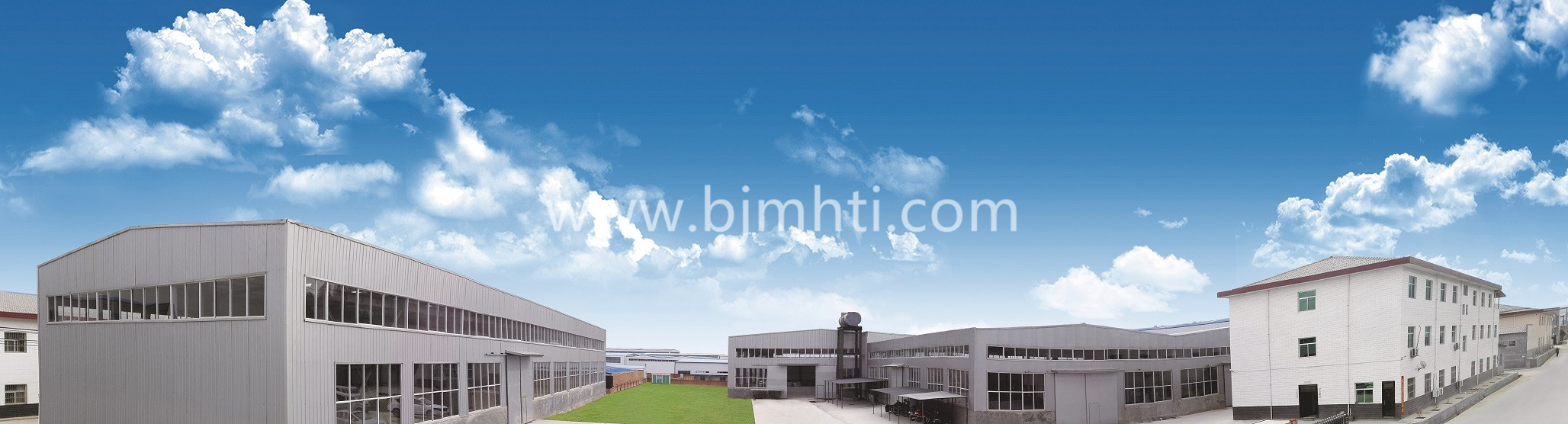
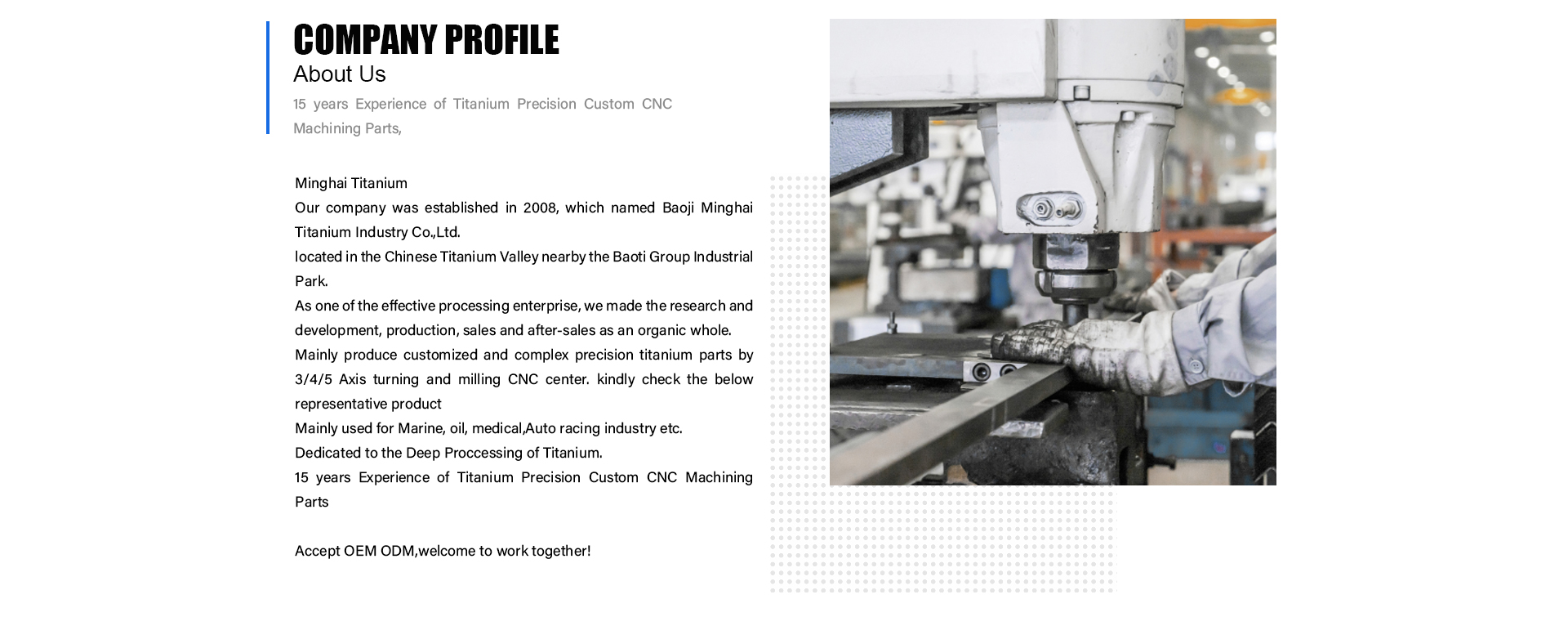
At Vunza Titanium Industry, our manufacturing facility operates 34 sets of advanced 3-, 4-, and 5-axis CNC machining centers alongside high-tonnage thread-rolling equipment. Machining titanium demands strict heat dissipation and chip management because of the metal's low thermal conductivity (6.7 W/m·K).
Rather than relying solely on single-point thread cutting—which disrupts the continuous grain structure of the titanium alloy and introduces micro-notch stress concentration points—our Grade 5 fastener threads are cold-rolled under controlled hydraulic pressure. This cold-forming process burnishes the root radius, compresses the molecular grain boundaries along the thread flank, and creates beneficial compressive residual surface stresses.
The measurable outcome: Thread-rolled Ti6Al4V fasteners display up to 400% higher dynamic fatigue lifespan compared to conventionally lathe-cut hardware, rendering them resilient against the severe shock-loads and cyclical pulsations experienced in Moa's mineral beneficiation facilities.
PVD Nitride & DLC Coatings
To eliminate titanium-on-titanium cold-welding and thread galling during high-torque dry assembly, we apply Physical Vapor Deposition (PVD) titanium nitride (TiN), titanium carbonitride (TiCN), or Diamond-Like Carbon (DLC). These vacuum-bonded coatings reduce friction coefficients down to μ = 0.12 while elevating surface hardness past 2500 HV.
Electrochemical Anodizing
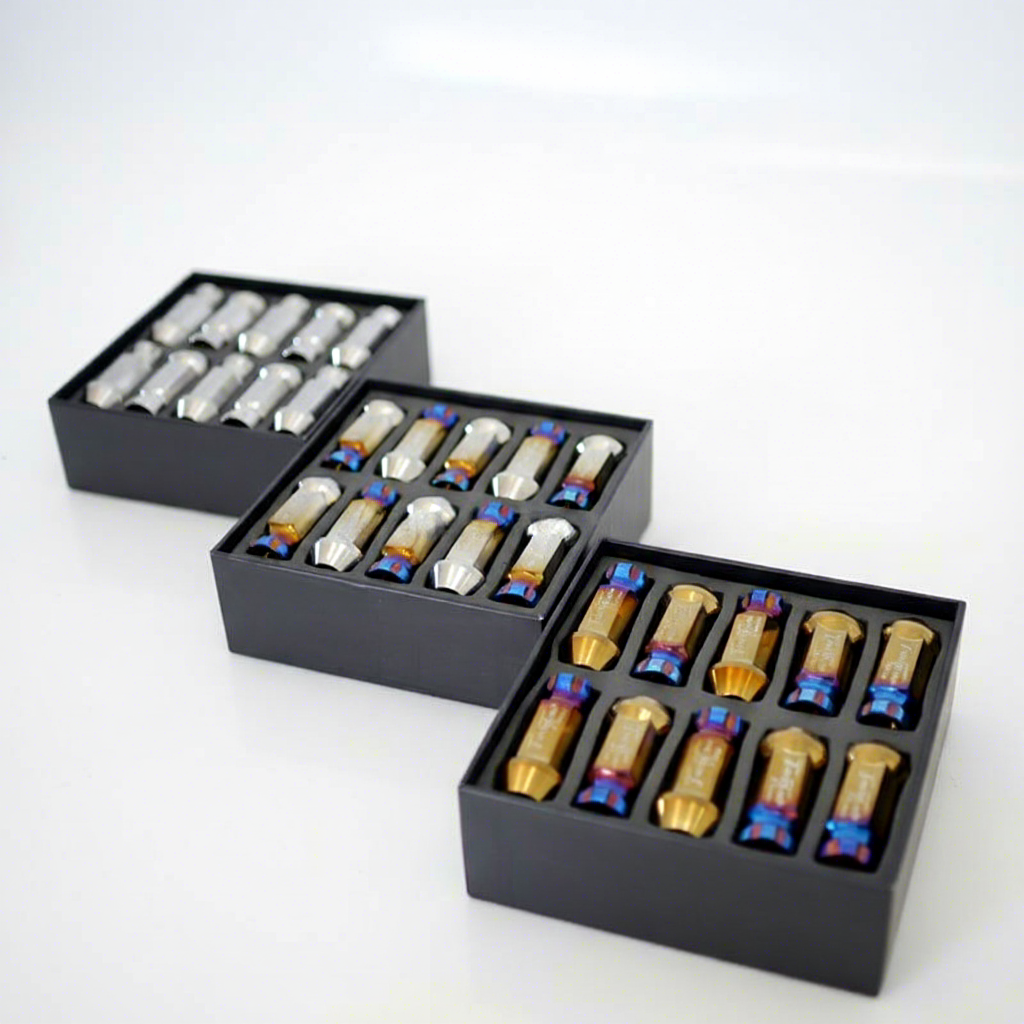
Compliant with aerospace AMS 2488 and ISO specifications, our anodizing facilities generate dense, color-stable oxide layers without hydrogen absorption. From rich blue and gold to deep purple, anodizing provides component-level visual coding across complex assemblies while sealing surface micro-porosities.
Stringent Quality Architecture
Every fastener production run is traceable directly back to the original vacuum-melted titanium sponge ingot. Material Test Reports (EN 10204 Type 3.1) verify exact chemistry (C, Fe, N, O, H, Al, V) alongside dimensional CMM reports, thread optical comparators, and pull-out tensile destruction data.
Modern Fastener Procurement Dynamics in Eastern Cuba
Strategic shift from rapid-replacement carbon steels to total-lifecycle titanium engineering investments across industrial plants.
The Total Lifecycle Cost (LCC) Transition
Industrial procurement departments throughout the Holguín territory have historically relied on hot-dip galvanized or zinc-plated Grade 8.8 and 10.9 steel fasteners due to low initial invoice costs. However, in regions such as Moa and Nicaro, high atmospheric humidity, airborne chlorides from the Atlantic Ocean, and continuous sulfur dioxide emission fallout destroy zinc sacrificial platings within 6 to 18 weeks.
The resulting red-rust expansion causes severe bolt seizure, hydrogen-induced head snapping, and gasket relaxation, requiring emergency flame-cutting removal and unscheduled equipment downtime. A single unplanned 24-hour stoppage in a hydrometallurgical leaching circuit or commercial ore drying kiln incurs costs that exceed an entire container of Grade 5 titanium fasteners.
Consequently, progressive procurement authorities in Holguín are specifying Ti6Al4V as standard replacement hardware. With a functional operating life often exceeding 15 to 20 years in severe coastal acid environments, Grade 5 titanium delivers a dramatic reduction in Levelized Annual Maintenance Cost (LAMC), rendering the initial purchase cost a negligible component of long-term plant economics.
Logistical Integration, Custom Drawing Sourcing & Traceability
Operating industrial machinery in Cuba frequently involves servicing legacy European, North American, Soviet-era, and Asian industrial plant infrastructure. Standard commercial off-the-shelf bolts frequently fail to align with unique shaft lengths, irregular head clearances, or non-standard thread pitches (e.g., metric extra-fine M12×1.25 alongside imperial UNC/UNF threads like 1/2"-20 or 5/8"-11).
Vunza Titanium bridges this engineering challenge by accepting direct 2D CAD files (DWG, DXF, PDF) and 3D solid models (STEP, IGES). Our engineering team performs rapid Design for Manufacturability (DFM) reviews within 9 hours, identifying optimal tooling clearances, head fillet radii, and clamping face runouts. We produce prototypes, execute pre-series batch verification, and bundle shipments with full customs declaration dossiers and material certification.
Frequently Asked Questions for Holguín Industrial Buyers
Authoritative metallurgical and logistical answers addressing operational conditions, anti-galling guidelines, certifications, and delivery options.
Why choose Ti6Al4V Grade 5 over AISI 316L stainless steel for Moa's acid leaching operations?
How do you prevent thread galling (cold-welding) when tightening titanium fasteners?
What specific documentation is provided to satisfy enterprise metallurgical auditing?
Can Vunza manufacture non-standard fasteners from Soviet-era GOST or imperial drawing specs?
What torque values should be used when replacing 10.9 steel bolts with Ti6Al4V Grade 5?
What are the typical minimum order quantities (MOQs) and lead times for export orders?
How does Grade 5 titanium withstand continuous exposure to Caribbean sea spray and tropical humidity?
Request a Technical DFM Review & Quotation
Supply your 2D/3D technical drawings, CAD files, material standards, and order requirements. Our senior titanium metallurgical engineers in Baoji will evaluate tolerances, alloy performance criteria, and export delivery schedules within 9 hours.